Last updated November 21, 2026
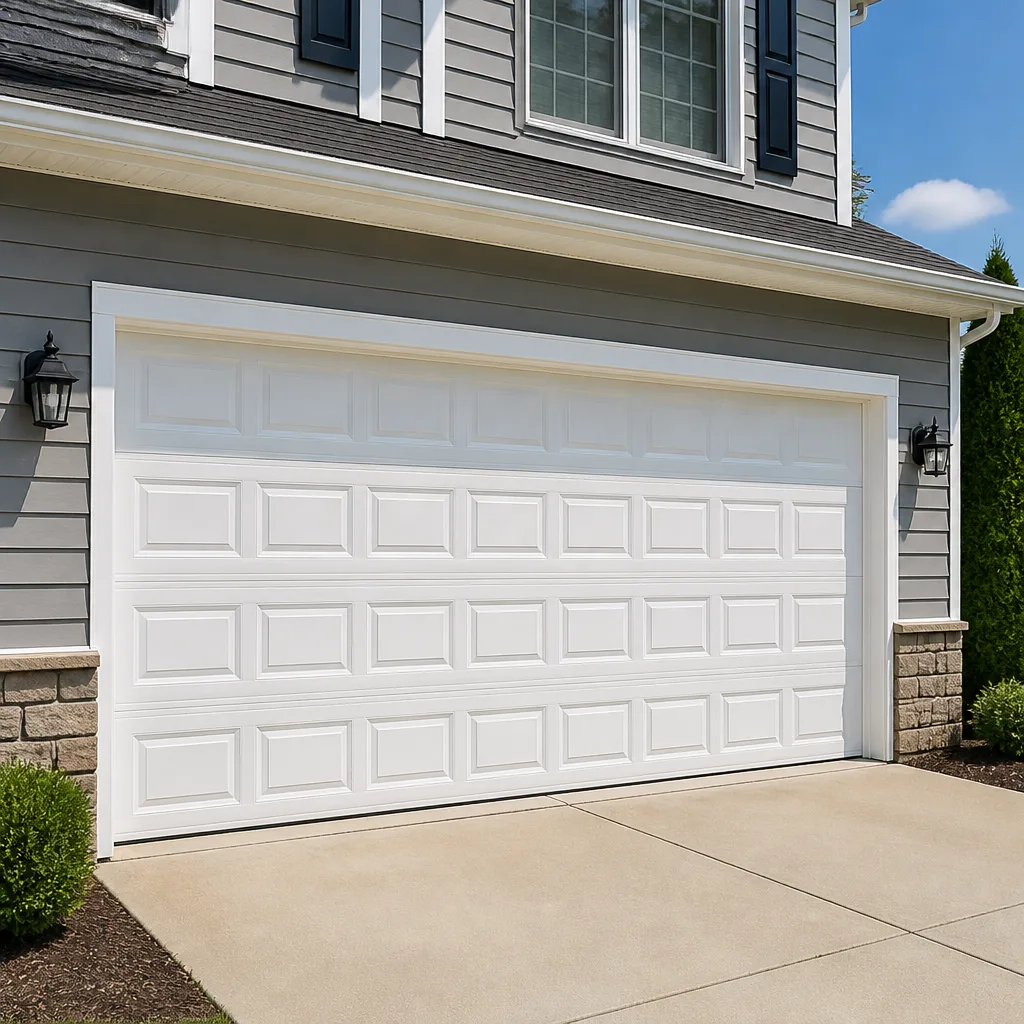 Raised-panel steel
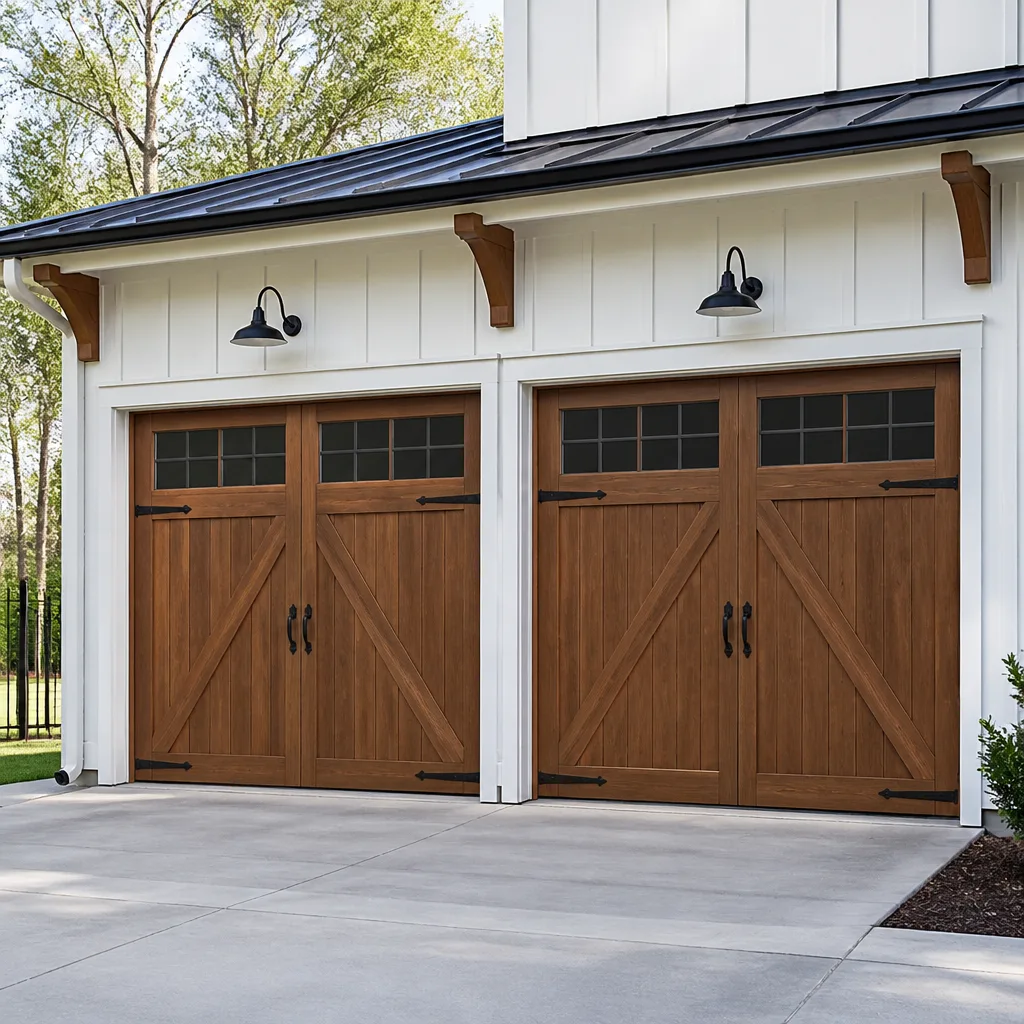 Carriage house
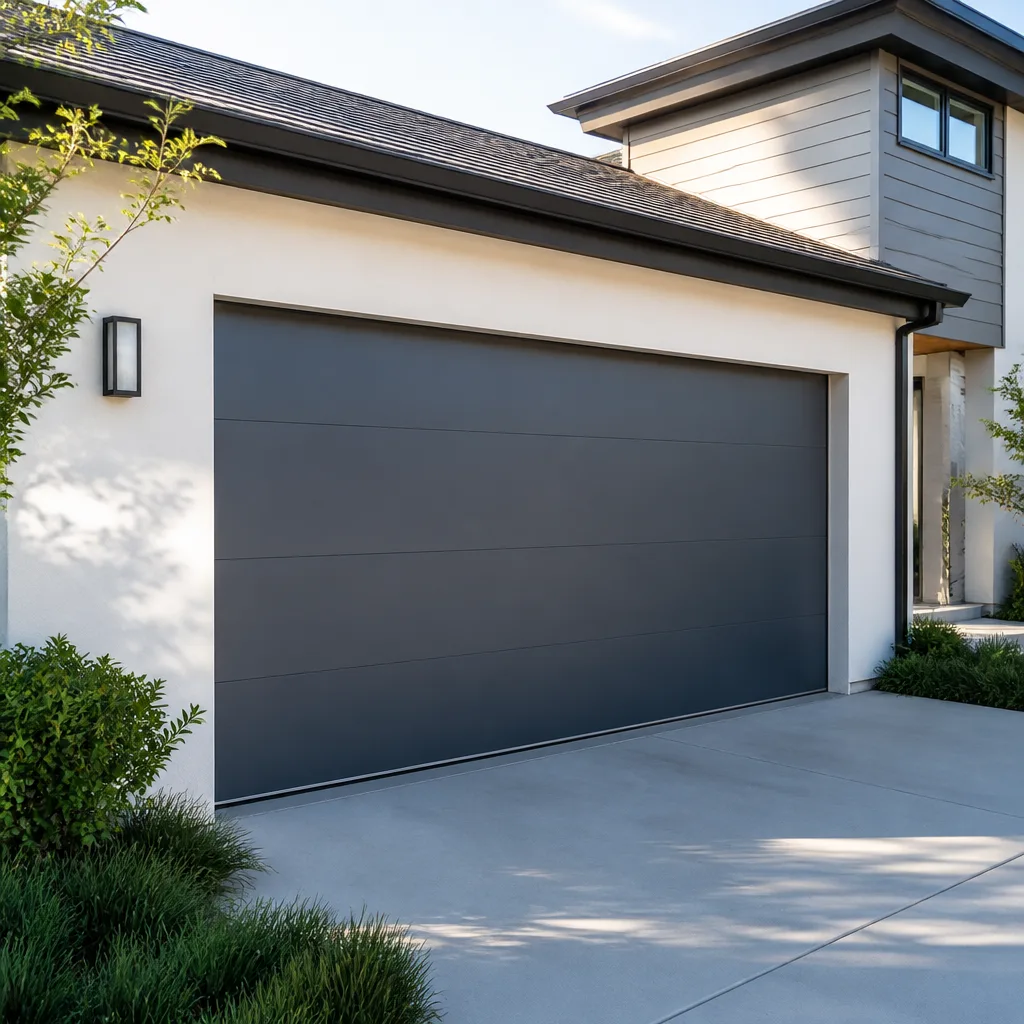 Modern flush
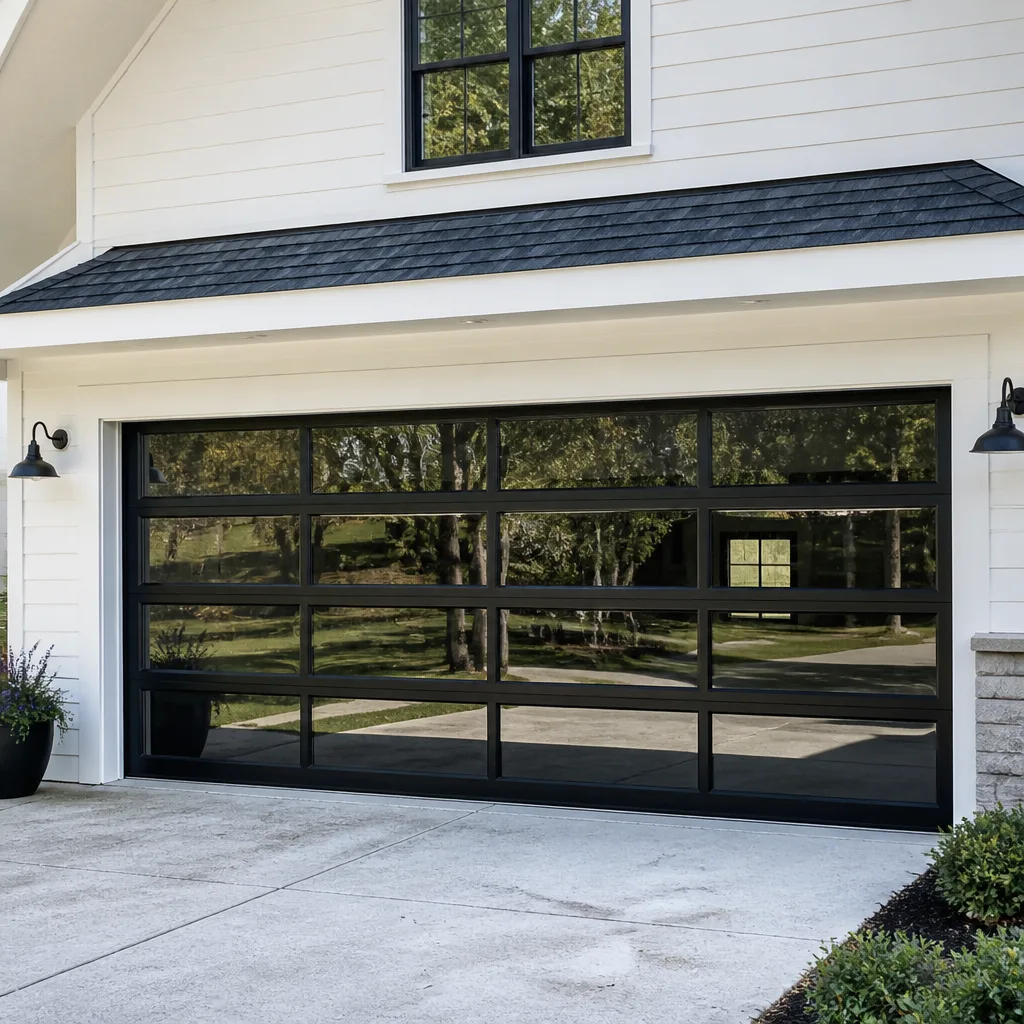 Full-view glass
 LiftMaster openers
 Chamberlain openers
Full 25-point door and opener safety check with every visit - springs, cables, rollers, tracks, and your LiftMaster or Chamberlain opener included
You get a price before we start. It does not change when the pro arrives.
Get your free estimateGarage Door Repair Maintenance Schedule: What to Do and When
Most maintenance advice you’ll find online was written for a garage door in Minnesota, not one in Pearland. The standard line (“lubricate your springs twice a year”) assumes dry air, road salt, and hard winters. Pearland has none of those. What it does have is months of heavy humidity and a hurricane season that shakes every moving part on your door. That changes the timeline. A spring that stays properly coated here isn’t fighting corrosion the way a northern spring fights rust, but the wet air and the seasonal storms put stress on hinges, rollers, and weatherstripping in ways a generic checklist ignores. In this guide we’ll lay out a task-by-task, month-by-month schedule built for how doors actually fail in Pearland, which lubricant goes where (and which one quietly wrecks your springs), two tests you can run in ten seconds a month, and how to know when a part is near the end of its life instead of waiting for it to snap.
Quick Answer
In Pearland, a garage door needs lubrication and a balance test every month, a full hardware and safety inspection before summer humidity peaks and again after hurricane season, and one professional service visit a year. Springs, rollers, cables, and weatherstripping each have a predictable lifespan, so the goal is scheduling replacement before a part fails, not after. The single most important habit is a monthly visual check plus the two ten-second tests below.
Styles & brands we work with
- Raised-panel steel
- Carriage house
- Modern flush
- Full-view glass
- LiftMaster openers
- Chamberlain openers
Table of Contents
- Why a Garage Door Maintenance Schedule Matters in Pearland
- The Pearland Month-by-Month Task Calendar
- Which Lubricant Goes Where (and Why WD-40 Hurts Springs)
- The Two Ten-Second Tests You Can Run Monthly
- Component Lifespan Benchmarks: Replace Before It Fails
- What a Professional Annual Service Should Cover
- Pre-Summer and Post-Hurricane-Season Checks
Why a Garage Door Maintenance Schedule Matters in Pearland
A garage door is the largest moving object in most homes, and it’s the one thing a household uses more than almost any other piece of equipment. Your door needs to work every time. When it doesn’t, a car is trapped or the house is left open. The point of a schedule isn’t to baby the door. It’s to catch the wear that leads to failure while it’s still cheap to fix.
Pearland’s climate shapes what fails first. Winters here are mild, so cold isn’t the enemy. The real pressure comes from two directions. First, sustained humidity through the warmer months keeps metal components damp and works on any protective coating that’s worn thin. Second, hurricane season brings wind-driven rain and the kind of pressure changes and vibration that loosen fasteners and stress track alignment. National guides written for cold climates emphasize freeze protection and de-icing. Those concerns don’t apply here. Our schedule leans on humidity control and post-storm inspection instead.
There’s also the daily-use math. A door that cycles four times a day (two cars, in and out) is doing roughly 1,400 cycles a year. Standard torsion springs are rated for a set number of cycles, and once you know the rating, you can start to predict the year a spring is likely to fail rather than being surprised. Because Pearland Garage Door Repair Co works only on garage doors, we see which components go first in this climate and can tell you what to watch. That single-trade focus is why our Pearland Garage Door Repair Co team spends the time on the schedule rather than treating it as a sales pitch.
The Pearland Month-by-Month Task Calendar
Instead of a vague “seasonal” checklist, here’s a task calendar tied to what the weather and the calendar are doing in Pearland. Not every month has heavy work, but each has something worth a few minutes.
January through February
- Monthly lubrication of hinges, rollers, and springs (see the section below on which product).
- Run the balance test and auto-reverse test.
- Look for any gap or hardening in the weatherstripping along the bottom and sides after the cooler, drier weeks.
March through May (pre-summer humidity prep)
This is the ramp-up window. As humidity climbs, damp air finds every worn coating and bare metal surface. Before the wet season sets in:
- Apply a proper garage-door lubricant to every hinge, roller, and spring, paying attention to any spot where the coating looks thin or dull.
- Check the bottom seal and side seals for cracks or compression; a failing seal lets both water and pests in.
- Inspect and tighten hinge and bracket fasteners that have worked loose over the year.
- Confirm the safety sensors are aligned and their lenses are clean.
June through August
- Keep up the monthly lubrication and the two ten-second tests.
- Watch the door’s motion. If it hesitates, jerks, or sounds different, note it; this is when humidity-related drag shows up.
- Check for any light rust bloom on fasteners and tracks and address it early.
September through November (post-hurricane-season inspection)
After the storm season winds down, treat the door to a fuller inspection. Wind and pressure changes can shift a track, loosen a bracket, or twist a panel without an obvious event.
- Look down the length of each track for bends or misalignment.
- Test that the door opens and closes smoothly through its full travel.
- Check the springs and cables for any change in appearance or tension feel (visually only; don’t touch cables or springs under load).
- Confirm the opener’s force and travel settings still match the door.
December
- Lubricate moving parts and run the monthly tests.
- Give the door a visual once-over for anything the year’s use has loosened or worn.
A door system that follows this rhythm stays predictable. If at any point something feels off, our garage door repair service is built for exactly the “it worked yesterday and today it doesn’t” call.
Which Lubricant Goes Where (and Why WD-40 Hurts Springs)
This is where a lot of well-meaning maintenance does more harm than good. The product you choose matters as much as whether you use one at all.
Plain WD-40 is a penetrating oil and solvent, not a lubricant for high-stress moving parts. On springs it can strip away the factory coating and any protective film, and because it evaporates, it leaves the metal drier than before. Over time, using WD-40 on springs causes more damage than using nothing, because it invites corrosion and doesn’t replace the lubricant it removes. It’s fine for loosening a stuck bolt. It’s the wrong tool for a door.
Here’s what to use and where:
- Springs and hinges: a purpose-made garage door or white lithium lubricant that stays put and doesn’t attract grit. A light coat, not a flood.
- Rollers (metal): a few drops of garage door lubricant in the bearing area. Don’t lubricate nylon rollers with a wet product; keep them clean instead.
- Tracks: keep them clean and dry. Don’t grease or oil the track itself; lubricant on the track attracts dirt that gums up the rollers.
- Cables: these are under extreme tension and should not be lubricated or touched. Springs are under extreme tension too, and the safest thing you can do for them is inspect from a distance and leave adjustment to a trained professional.
If you’re unsure which product is safe for your hardware, that’s a fair question to ask when you call. We service the brand you already have, whether that’s LiftMaster, Chamberlain, Genie, or a door system built by Wayne Dalton, and we’ll tell you what’s appropriate for that specific setup. If a spring is already damaged, our garage door spring repair team handles it with the dedicated tools this repair demands.
The Two Ten-Second Tests You Can Run Monthly
You don’t need tools to catch a problem early. These two checks take about ten seconds each and reveal most of what goes wrong before it strands your car or leaves the house open.
Test 1: The Balance Test
- Close the door fully.
- Pull the manual release (the cord hanging from the opener rail) to disconnect the door from the opener.
- Lift the door by hand about halfway.
- Let go. A balanced door should hold roughly in place.
- Reconnect the release when you’re done.
If the door drops on its own or drifts quickly, a spring is losing tension or the door is out of balance. That’s a signal to schedule service, not to keep using it.
Test 2: The Auto-Reverse Test
- Open the door and place a solid object (a roll of paper towels or a piece of lumber) flat on the floor in the door’s path.
- Press the button to close the door.
- Watch: when the door meets the object, it should stop and reverse.
If the door presses down on the object and keeps going, the opener’s safety setting or the door’s mechanical adjustment needs attention. That’s a safety issue, not a comfort one, and it’s worth fixing right away. If the test fails and your opener is a LiftMaster, Chamberlain, Genie, or Craftsman unit, our garage door opener repair service covers those brands directly.
Run both tests on the same day each month. Tie it to something you already do, like changing a filter or paying a bill, and it stops being a chore you forget.
Component Lifespan Benchmarks: Replace Before It Fails
Knowing roughly how long each part lasts lets you plan replacement instead of reacting to a breakdown. The ranges below are typical benchmarks, not guarantees, because daily cycle count and door weight shift them.
- Torsion springs: rated by cycles, not years. A standard spring has a set cycle life, and a door cycled four times a day uses it up faster than one used twice. When you know your spring’s rating, you can estimate the year it’s due and replace it on your schedule.
- Rollers: steel rollers wear faster than nylon. Steel rollers often develop flat spots and noise within a few years of steady use; nylon rollers tend to last longer but can crack. Listen for rattling.
- Cables: should last several years if the door is balanced. Fraying, kinks, or a change in appearance mean replacement, and this is a professional job because cables are under extreme tension.
- Weatherstripping and bottom seal: in Pearland’s humidity, seals harden and crack sooner than in a dry climate. Expect to check them yearly and plan on replacement roughly every few years, sooner if the door faces a lot of afternoon sun.
- Hinges and bearings: last for years with regular lubrication and last noticeably shorter if they’re left dry.
The takeaway is repair-first thinking: if a roller or hinge is the problem, replacing the whole door is a waste. Replace the part, keep the system. Replacement only makes sense when the door itself is failing structurally or the mechanism is beyond economical repair.
What a Professional Annual Service Should Cover
One professional visit a year catches what a homeowner can’t see or safely test. Use this checklist to confirm you’re getting full value, whether you call us or anyone else.
- Full inspection of springs, cables, drums, and bearings for wear, corrosion, or fraying.
- Balance check plus door travel and force adjustment on the opener.
- Lubrication of all moving parts with the appropriate product for each component.
- Track alignment and fastener tightening through the full opening travel.
- Safety sensor alignment and auto-reverse verification.
- A written list of any part that’s near the end of its life, so you can plan replacement.
A good annual visit tells you what’s fine and what’s coming due. It shouldn’t be a pressure sale. When Pearland Garage Door Repair Co comes out, we quote and agree on any work before we start, and if a repair makes more sense than replacement, we say so. Our technicians have up to 11 years of experience across the major brands, including LiftMaster, Chamberlain, Genie, Clopay, Amarr, Wayne Dalton, Craftsman, and Raynor, so the parts and adjustments are familiar rather than guesswork.
Pre-Summer and Post-Hurricane-Season Checks
These two windows anchor the whole schedule in Pearland, so they deserve their own focus.
Pre-summer humidity prep
Before the wet, sticky months arrive, the goal is to leave no bare metal exposed and no worn seal to let damp air in. Lubricate every moving part, inspect the bottom and side seals, tighten loose fasteners, and confirm the safety sensors are clean and lined up. A door prepped in spring spends the summer protected; one that isn’t starts showing drag and noise by July.
Post-hurricane-season inspection
Once the season winds down, look for what wind and pressure changes left behind. Run the door through its full travel slowly and watch for any catch, rub, or wobble. Check that tracks are straight and panels sit evenly. This is also a natural time to recheck seals that took a beating. If the door sounds different or looks visibly off after a storm, that’s a sign to book a professional look rather than to force it open and shut repeatedly.
Because Pearland Garage Door Repair Co covers the full lifecycle from repair to full new-door installation, you don’t have to find a different contractor if the inspection turns up a door that’s genuinely reached the end of its life. Emergency service is a real, named offering for us, not an upsell, so when a door fails at the worst time you have somewhere to call.
Common Mistakes to Avoid
- Spraying WD-40 on the springs. It strips protective coating and dries them out. Use a proper garage door lubricant instead, or leave them alone.
- Oiling the tracks. Grease on the track attracts grit that clogs the rollers. Keep tracks clean and dry, and lubricate the rollers themselves.
- Skipping the balance test. A door that’s quietly losing tension is on the way to a failure. Ten seconds a month catches it early.
- Ignoring a failing auto-reverse. A door that won’t reverse is a safety problem, not a minor annoyance. Get it checked promptly.
- DIY spring work. Springs and cables are under extreme tension and can cause serious injury. This is a job for trained technicians with the right tools.
- Following a northern-climate checklist. Advice built around freeze and road salt misses what actually stresses a door in Pearland’s humidity. Build your schedule around moisture and storm season instead.
- Letting a small rattle linger. Noise usually means a loose or worn component. Fixing it early is cheaper than waiting for it to fail.
See the difference
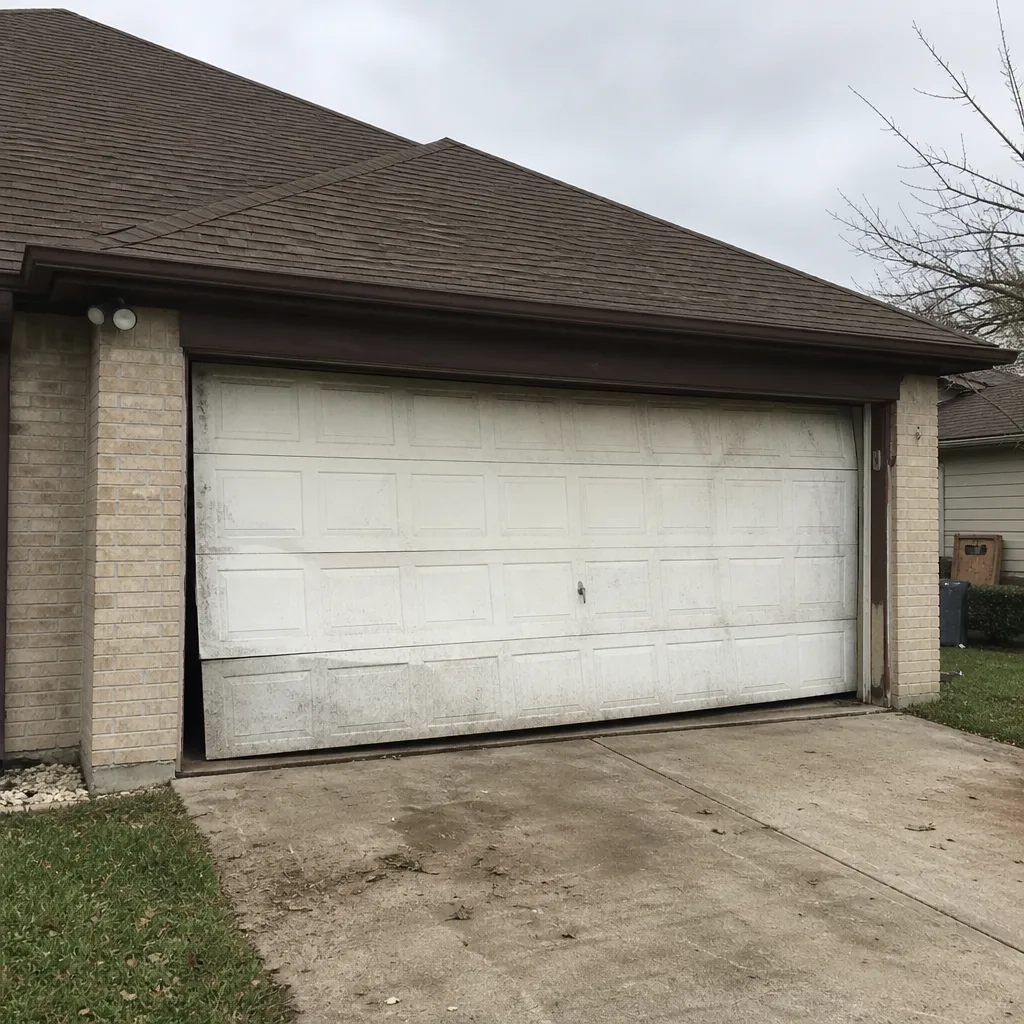 Before
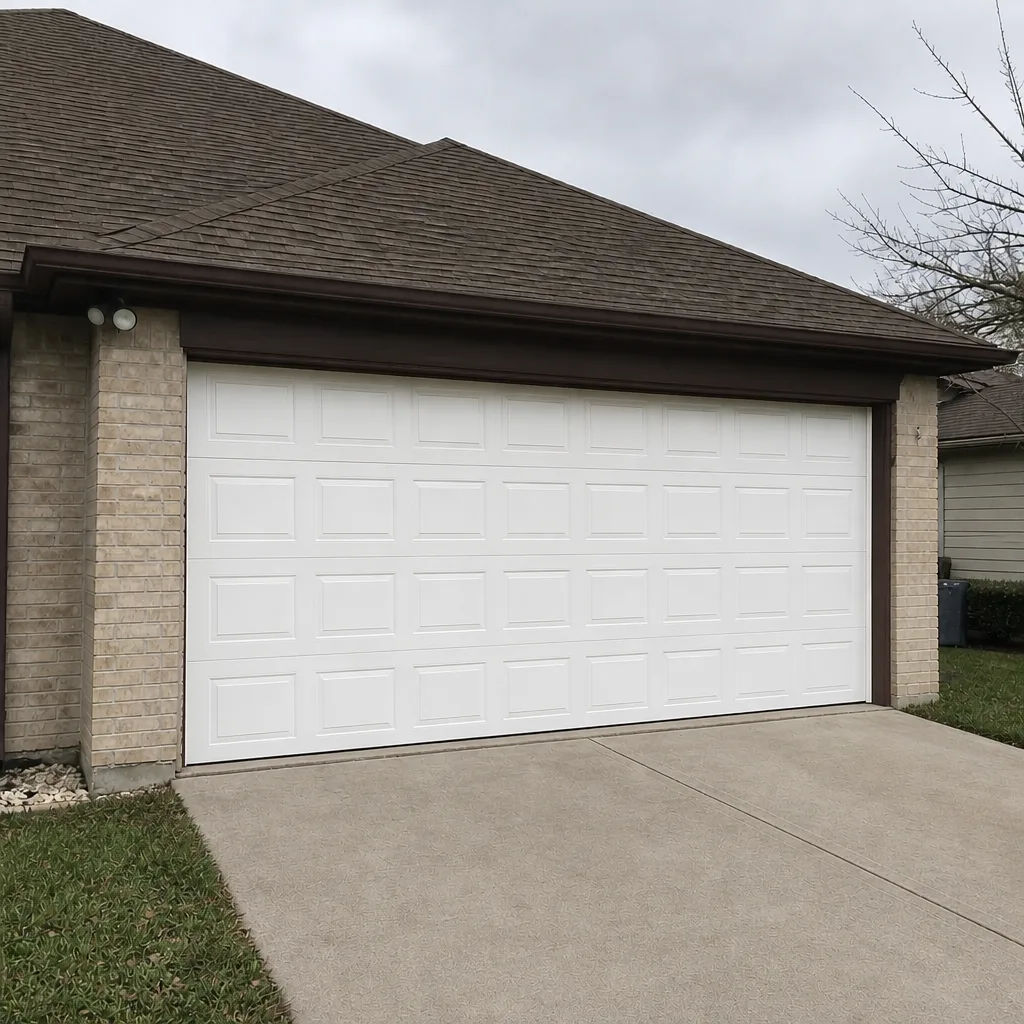 After
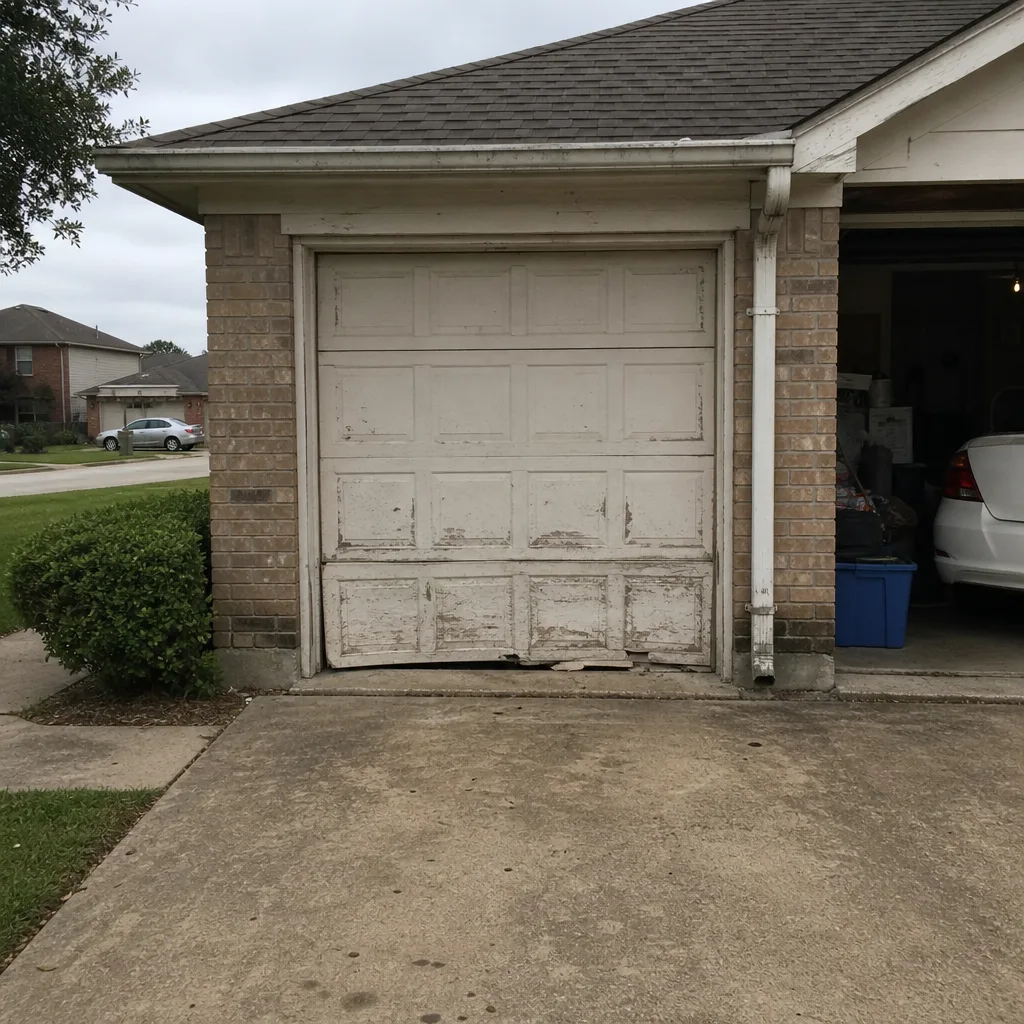 Before
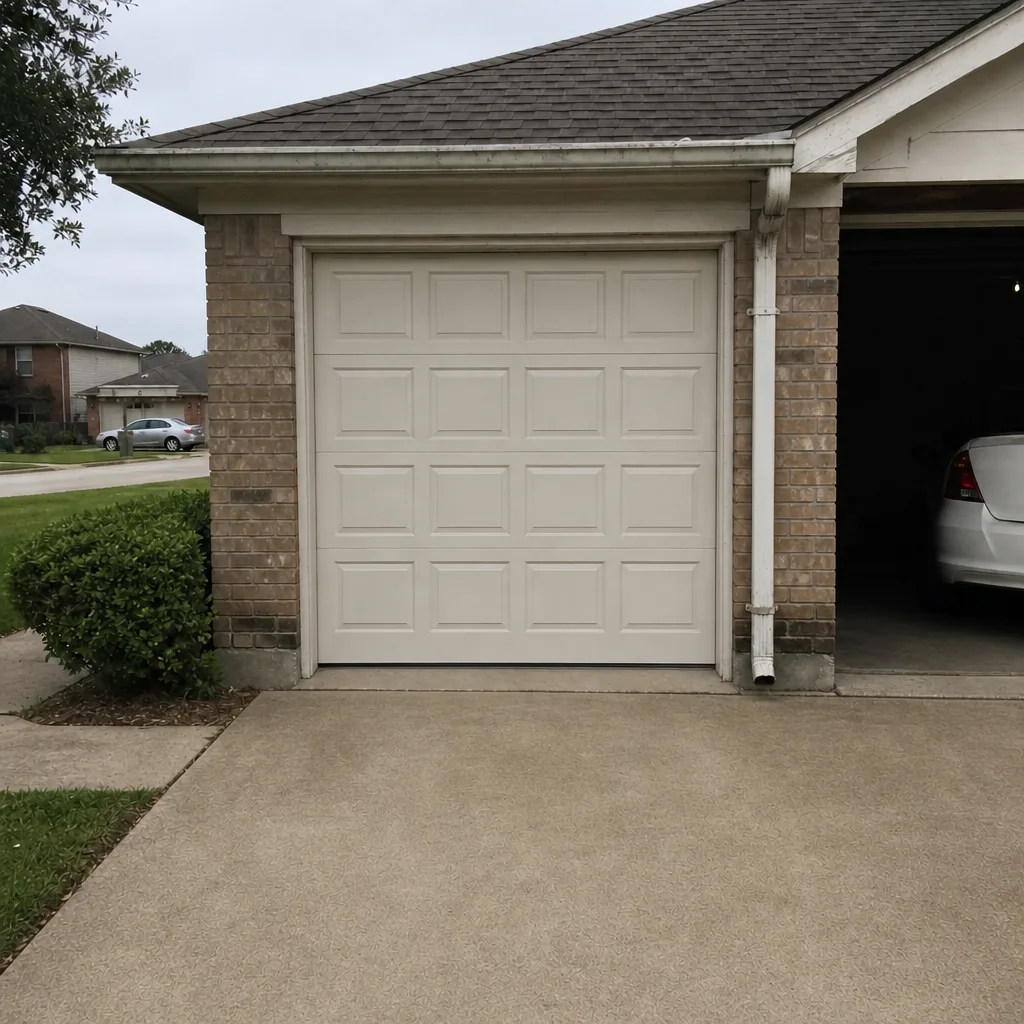 After
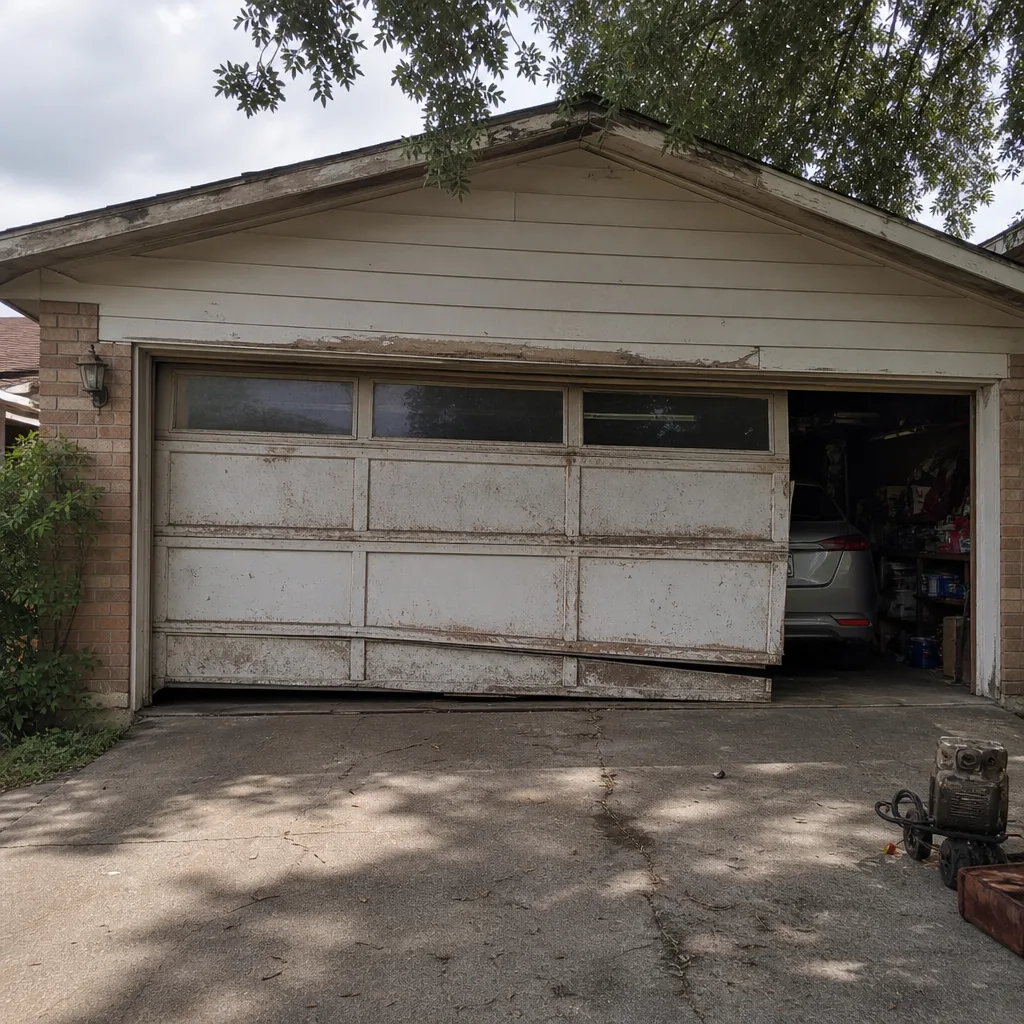 Before
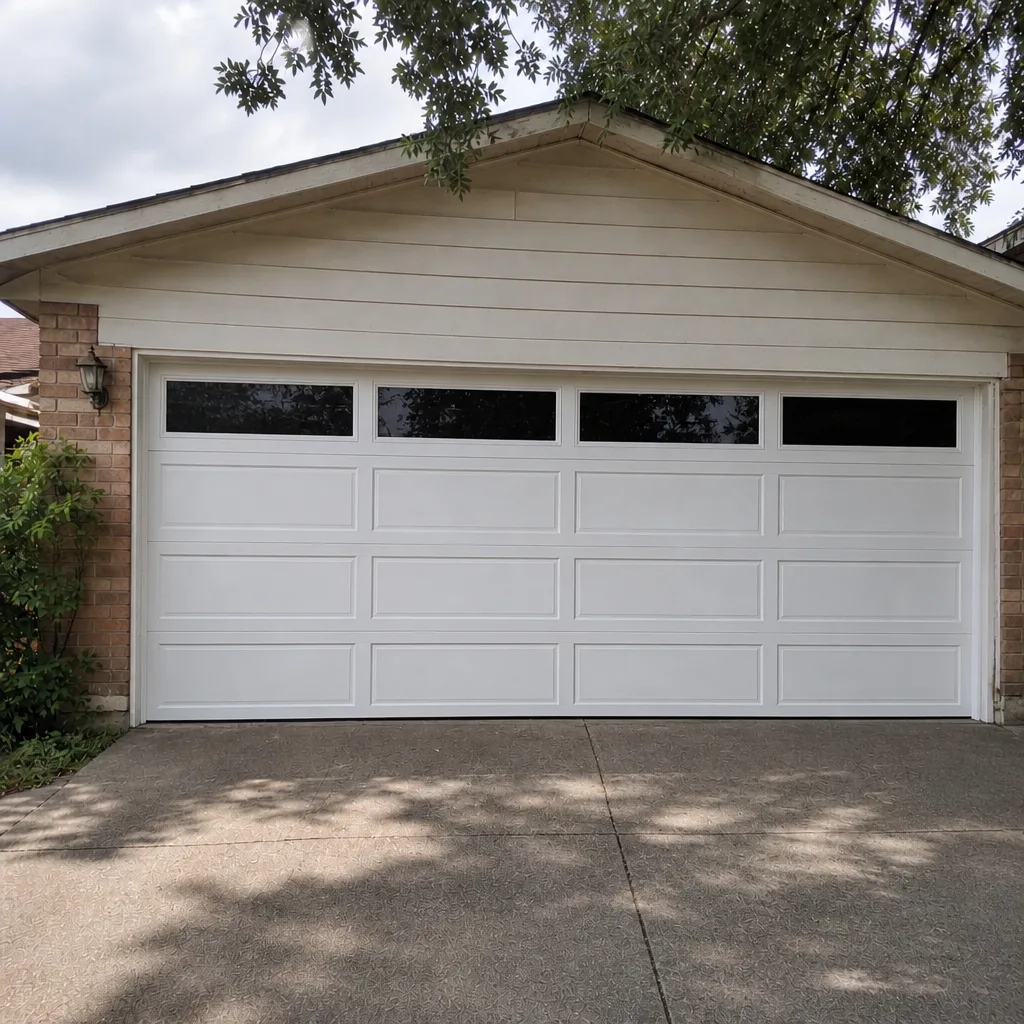 After
When to Call a Professional
Some jobs are an easy do-it-yourself fix, and some aren’t. Call a professional when the door is out of balance, when you hear a loud bang followed by the door refusing to lift (a strong sign of a broken spring), when a cable looks frayed or kinked, when the auto-reverse test fails, or when a storm has left the door sticking, crooked, or off its track. Springs and cables are the parts to never touch yourself: they carry dangerous tension. Anything that affects opener force settings, track alignment, or spring replacement belongs with a trained technician. Pearland Garage Door Repair Co offers free estimates in Pearland, and we can work with your insurer if storm damage is part of the picture. Call (855) 337-1579 and we’ll walk through what you’re seeing.
Frequently Asked Questions
A full professional service once a year, plus monthly lubrication and the two ten-second tests at home. Pearland’s humidity and storm season mean you should also do a more thorough hardware inspection before summer and again after hurricane season. A door that cycles heavily throughout the day may benefit from a second look mid-year.
No. WD-40 is a penetrating oil and solvent, not a lubricant for high-stress parts, and on springs it can strip protective coating and leave the metal drier than before. Use a purpose-made garage door or white lithium lubricant instead, and keep it to a light coat.
With the door closed and disconnected from the opener, lift it halfway by hand and let go. A properly balanced door holds roughly in place. If it drops or drifts quickly, a spring is losing tension and you should schedule service.
Springs are rated by cycles, not years. A standard spring has a set cycle life, and how many times a day your door opens and closes determines when it’s due. A door used four times a day uses up that life faster than one used twice, so plan replacement around your cycle count rather than a fixed number of years.
Repair work generally doesn’t require a permit, but new installation or structural changes can. Most cities have rules here, so ask Pearland’s building department directly to confirm what applies to your project before work begins.
Rising humidity and heat can affect how freely parts move, and dry hinges or rollers will get noisier as the season goes on. Noise usually points to a lubrication or wear issue. If it starts suddenly after a storm, have it checked before you keep using it.
The Bottom Line
The right schedule for a Pearland garage door is built around humidity and storm season, not a copied northern checklist. Lubricate the right parts with the right product every month, run the balance and auto-reverse tests while you’re at it, inspect hardware before summer and after hurricane season, and book one professional service a year. Know your component lifespans so you can replace springs, rollers, and seals on your schedule instead of during a breakdown. For a free estimate, call (855) 337-1579.
Written by the team at Pearland Garage Door Repair Co.