Last updated November 21, 2026
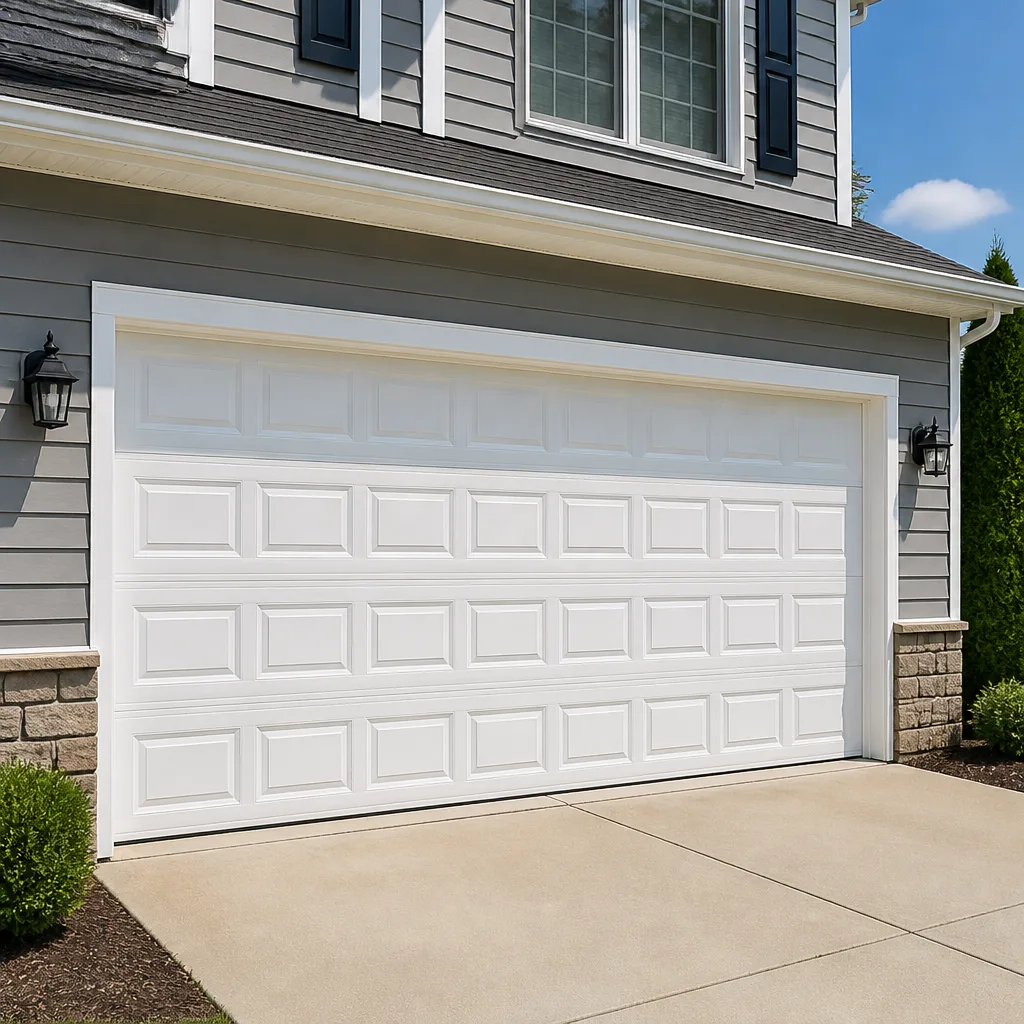 Raised-panel steel
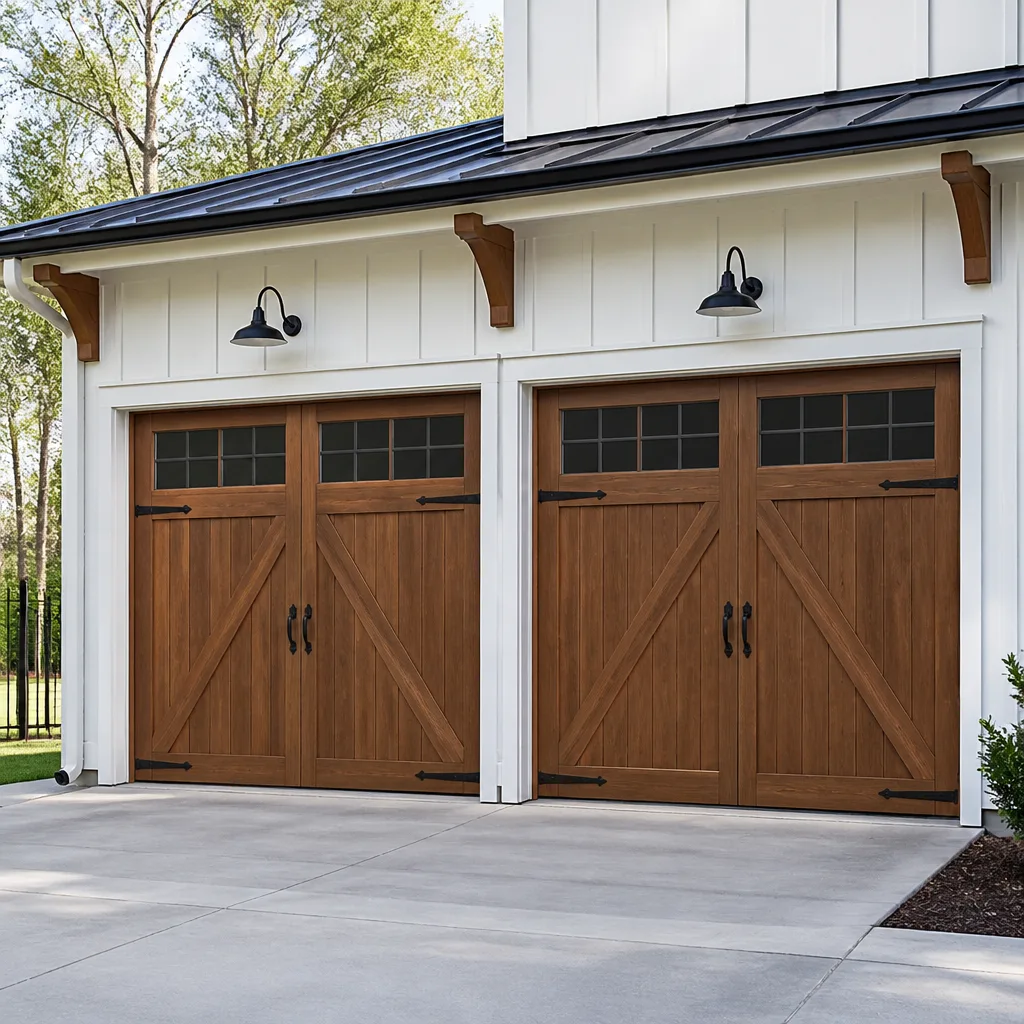 Carriage house
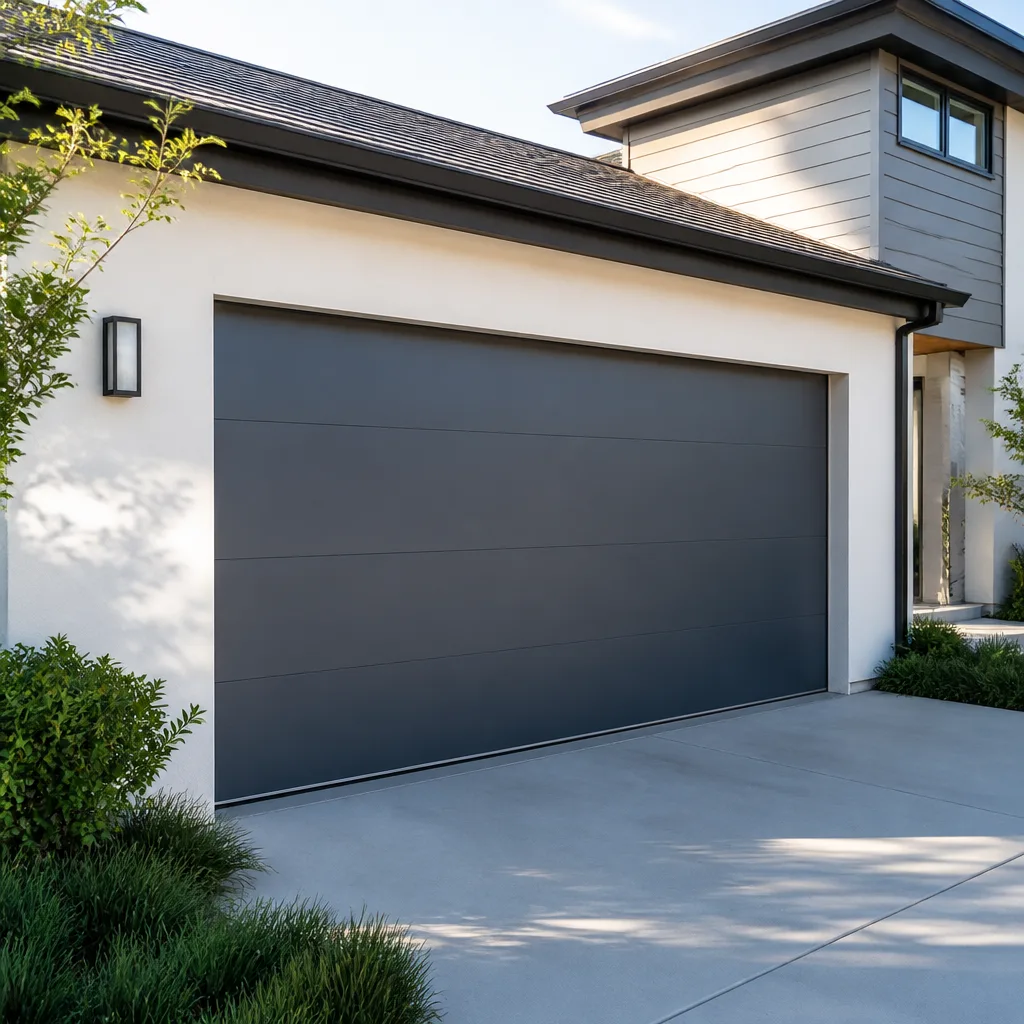 Modern flush
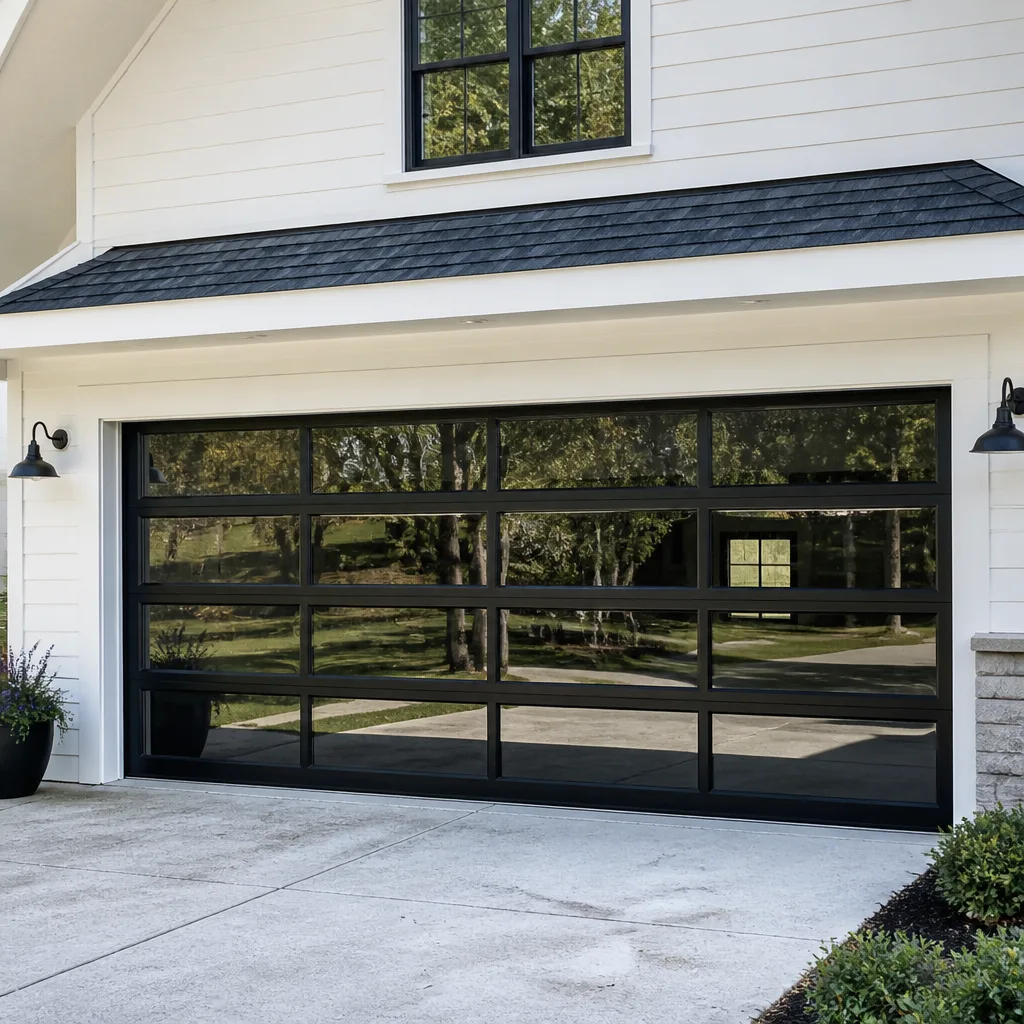 Full-view glass
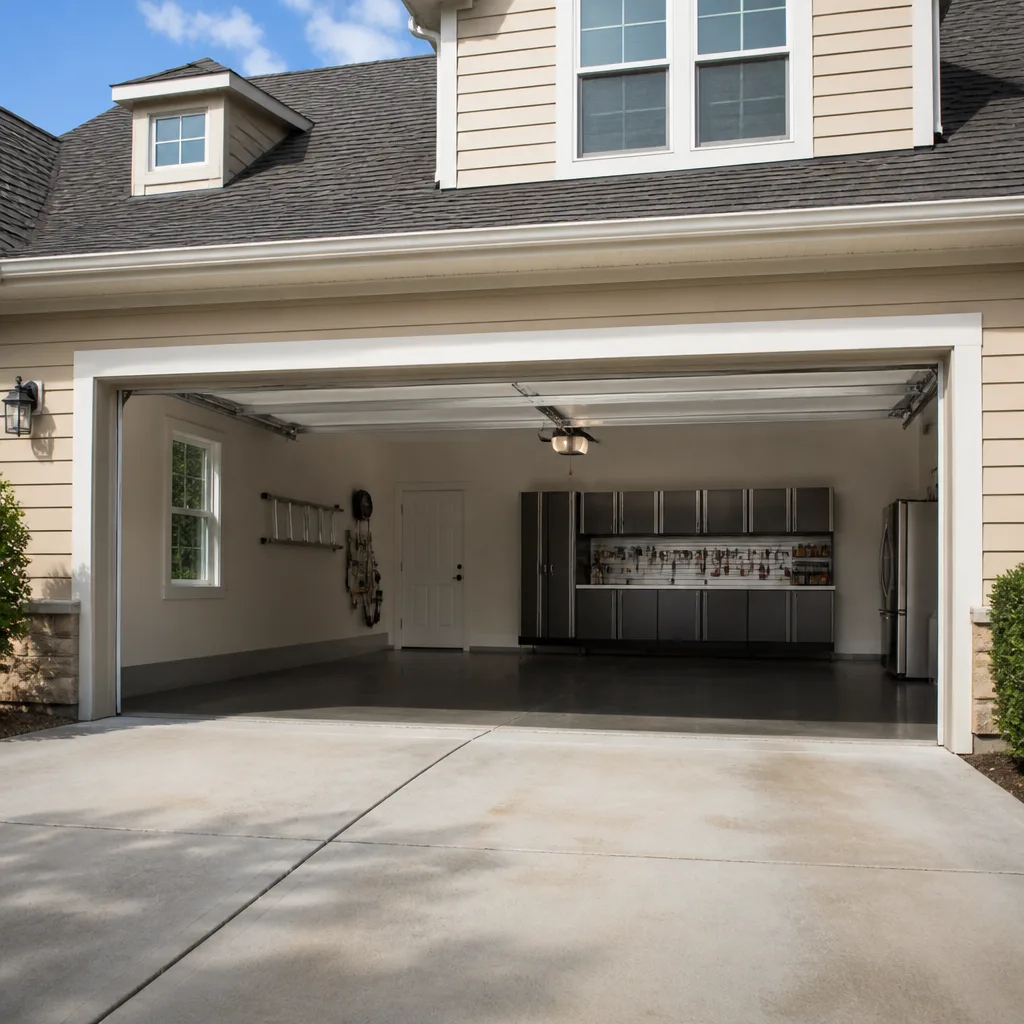 LiftMaster openers
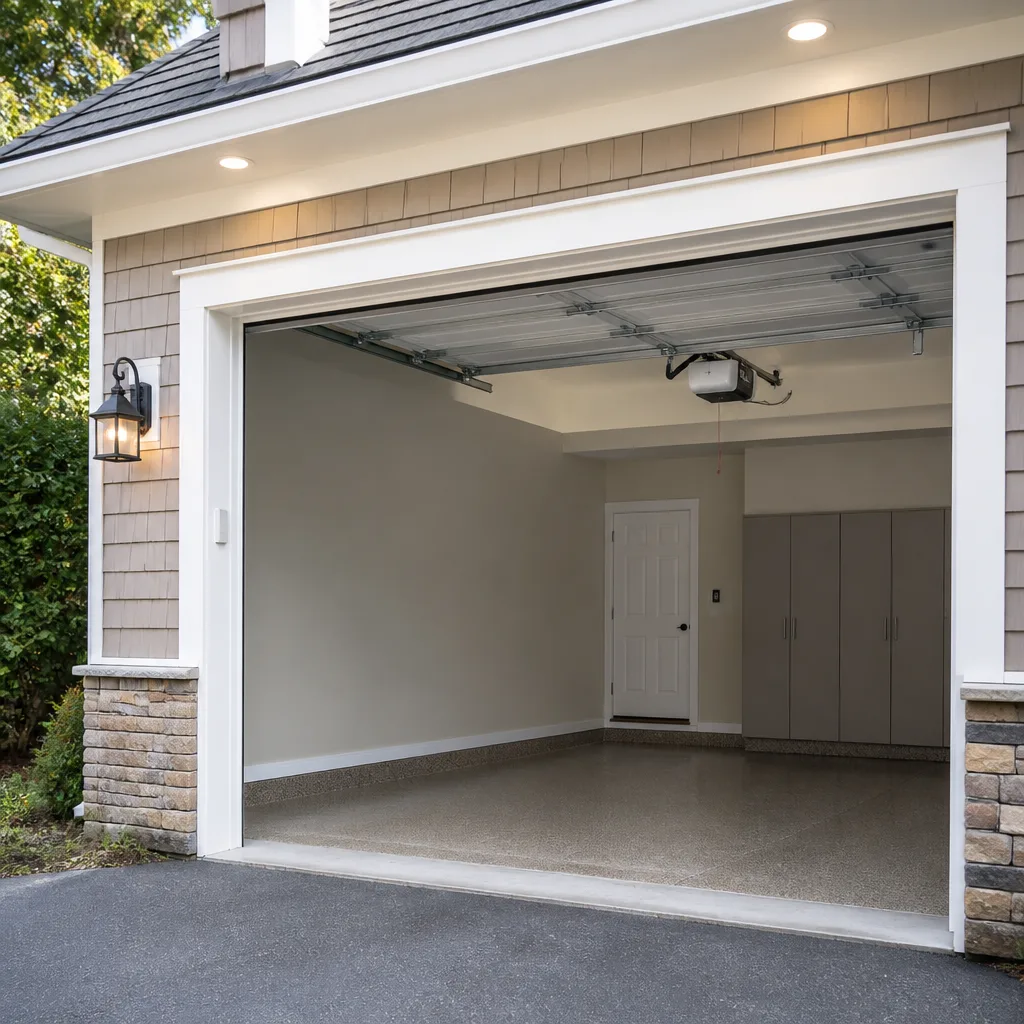 Chamberlain openers
Full 25-point door and opener safety check with every visit - springs, cables, rollers, tracks, and your LiftMaster or Chamberlain opener included
You get a price before we start. It does not change when the pro arrives.
Get your free estimateHow to Hire a Garage Door Contractor in Pearland: A Step-by-Step Guide
Most homeowners assume the hardest part of a garage door problem is the repair itself. In our experience around Pearland, the harder part is figuring out who should do it. A surprising number of “garage door repair” calls in the Pearland area get answered by general handymen or HVAC companies who added door service to fill schedule gaps, and the fastest way to spot them is to ask one specific question before you book. This guide walks you through that question, how to verify a Texas license, how to read a quote line by line, and how to tell a true specialist from a side service. By the end, you’ll know exactly what to ask before anyone touches your door.
Quick Answer
To hire a garage door contractor in Pearland, verify three things before booking: that the company works on garage doors as its primary trade (not a side service), that it can name the specific brands and parts involved in your repair, and that it gives you a written, itemized quote before work starts. Ask what wind load rating your door carries and how they’d verify it. A true specialist answers without hesitation. A generalist usually can’t.
Styles & brands we work with
- Raised-panel steel
- Carriage house
- Modern flush
- Full-view glass
- LiftMaster openers
- Chamberlain openers
Table of Contents
- The One Question That Separates a Specialist From a Generalist
- How to Cross-Check a Contractor’s TDLR License in Texas
- Red Flags in Garage Door Quotes: What an Itemized Bid Must Include
- Local Parts Versus Ordered Parts: Why It Matters for Pearland Emergencies
- How to Read Reviews for Real Technical Competence
- What Makes Pearland Garage Doors Unique
- Step-by-Step: The Hiring Process From First Call to Final Payment
- Why Spring Work Demands a Specialist, Not a Generalist
The One Question That Separates a Specialist From a Generalist
Here’s the question: “What’s the wind load rating on this door, and how do I verify it?” It sounds simple. It isn’t. Wind load rating is the measure of how much wind pressure a door and its track hardware are engineered to withstand, and in Pearland it comes up in real conversations about door selection, replacement, and code compliance. A garage door specialist knows what the rating means, knows that it’s tied to the door model and its reinforced hardware, and knows how to point you to the documentation that verifies it. A generalist who added garage doors to their service list will usually pivot to a vague answer or promise to “check with the manufacturer.”
This question works because it can’t be bluffed. Wind load is structural information. It lives on the door’s engineering documentation, and a contractor who installs and repairs doors regularly has seen those documents many times. A handyman who mostly hangs drywall and swaps outlets has not. The same principle applies to any door-specific question you could ask: spring wire gauge, cable diameter, opener horsepower matched to door weight, or the difference between torsion and extension springs. Specialists answer in specifics. Generalists answer in generalities.
You don’t need to know the answer yourself. You’re testing whether they do. In our experience, the first two minutes of that conversation tell you more than any website or ad will. If the answer is confident and technical, keep talking. If it’s evasive, thank them and move on.
How to Cross-Check a Contractor’s TDLR License in Texas
The Texas Department of Licensing and Regulation, or TDLR, is the state agency that licenses and regulates a range of trades and occupations. It also maintains a public license search. Before you book any garage door work in Pearland, ask for the company’s license information and look it up yourself through the TDLR’s online search. This takes a few minutes and is the single most reliable way to confirm you’re dealing with a legitimate, accountable business.
Here’s the part most homeowners miss: you need to understand what the license actually covers. A license tied to one scope of work doesn’t automatically mean the holder is qualified for every job. Ask directly: “Does this license cover garage door installation and repair specifically?” A straight answer is a good sign. A vague one is not.
Run through this checklist before you commit:
- Get the company’s legal name and license details in writing, not just verbally.
- Search the TDLR public database yourself using that name.
- Confirm the license status is active, not expired or suspended.
- Ask what scope the license covers and whether garage door work falls inside it.
- Ask for proof of insurance and confirm it’s current.
- Write down the license number and keep it with your quote and contract.
Your city’s building department can also tell you whether a specific job needs a permit and what inspections apply. That’s worth a phone call for any installation or structural change, and it’s a question a real specialist will welcome rather than dodge.
Red Flags in Garage Door Quotes: What an Itemized Bid Must Include
A garage door quote that lists one lump sum with no breakdown is incomplete, and you should treat it that way. Doors and their mechanisms are systems of specific parts, and a professional quote reflects that. If a contractor can’t or won’t itemize, they either don’t know what’s involved or they’re leaving room to change the price later. Neither is what you want when your door needs to work every time.
An itemized garage door bid in Pearland should spell out:
- Spring type and specification. Torsion or extension, wire gauge, and cycle life. “Replace springs” alone tells you nothing.
- Cable gauge and length. Cables are sized to the door’s weight and drum setup. A number belongs on the quote.
- Opener make and model. If an opener is part of the job, the exact model matters. “New opener” is not a specification.
- Hardware and fasteners. Hinges, rollers, brackets, and track components, named.
- Labor and disposal. Separated from parts, so you can see what you’re paying for.
- Warranty terms. On parts and on labor, stated plainly.
We service the brand you already have, which means we see a lot of equipment from LiftMaster, Chamberlain, Genie, Clopay, Amarr, Wayne Dalton, Craftsman, and Raynor. Each brand has its own parts catalog and its own quirks, and a proper quote reflects the actual parts your door needs, not a generic line item. When you get a written quote, confirm that it names your door and opener model. And confirm that the price on that quote is the price you’ll pay. The written estimate sets the final price, and nothing should change it once work begins unless you approve the change yourself.
Local Parts Versus Ordered Parts: Why It Matters for Pearland Emergencies
When a garage door fails, timing decides how much it disrupts your week. A door stuck open leaves your home exposed. A door stuck closed traps your vehicle. That’s why the difference between a company that stocks parts locally and one that orders them is not a small detail. It’s the difference between a fix in short order and a fix that waits on shipping.
Ask a prospective contractor a direct question: “Do you stock the common parts for my door and opener, or do you order them?” The honest answers tell you a lot:
- Stocks common parts: springs, cables, rollers, hinges, and standard opener components on hand, ready to install when the diagnosis is done.
- Orders as needed: every job waits on a supplier, and an “emergency” call turns into a multi-day wait.
In our experience, the parts that fail most often are also the parts that are most standardized: springs, cables, rollers, and opener gears and boards. A specialist keeps those on hand because they know what breaks. A generalist doesn’t stock garage door parts at all, so every repair gets ordered after the fact. For a Pearland homeowner with one garage door and a car inside it, that gap matters more than almost anything else on this list.
Emergency garage door service exists for exactly this reason: a door that leaves your home unsecured or your vehicle trapped shouldn’t wait for a normal appointment slot. Availability matters, and so does the ability to actually complete the repair once someone arrives. Ask both questions.
How to Read Reviews for Real Technical Competence
Star counts get gamed. Language doesn’t. When you read reviews of a garage door contractor in Pearland, look past the rating and read the words. Reviews that describe specifics signal technical competence. Reviews that describe feelings signal basic customer service. Both are worth having, but only one tells you whether the person who shows up can actually diagnose your door.
Here’s what to look for:
- Named parts and brands. A review that mentions “torsion spring,” “cable replacement,” or “LiftMaster opener” tells you the reviewer watched the work and understood it.
- Accurate diagnosis. Look for reviews where the problem described is technical and the fix matched it. “They said the opener was the problem and it was” is a strong signal.
- Quote matched the invoice. Reviews that explicitly say the price didn’t change after the work started are gold. So are reviews complaining that it did.
- Detail about what was checked. A reviewer who says the technician tested the door balance and safety reverse, not just the button, is describing a real diagnostic process.
What should make you cautious: reviews full of enthusiasm but no detail (“Great service, very nice guy!”) across a wide range of unrelated jobs. A company that fixes garage doors, replaces faucets, and installs water heaters doesn’t have a garage door specialty. It has a schedule to fill. Read review histories that are concentrated on garage door work specifically, and trust the ones that talk about the door.
What Makes Pearland Garage Doors Unique
Pearland is a large suburban city south of Houston, and its housing stock reflects that. Neighborhoods like Shadow Creek Ranch, Silverlake, and Riverstone are filled with homes that were built in relatively recent waves, which means a lot of the garage doors here are original equipment from builders who used standard brand-name hardware. That’s mostly good news. It means parts are widely available and the door systems are well understood. It also means that doors installed at the same time as the house are now hitting the age where springs, cables, and openers start to fail in sequence.
The local climate shapes the wear pattern. Pearland gets long, hot, humid summers and mild winters. High heat and humidity work on wood and steel doors, on weather seals, and on the lubricants in your track and hinges. Seasonal temperature swings mean your door expands and contracts, which loosens fasteners over time. Humidity affects the seals around the perimeter and the condition of the bottom astragal. None of that is dramatic, but it’s steady. Over a few years, the wear adds up in ways a homeowner in a drier climate wouldn’t see.
Then there’s the wind question. Pearland sits in a region where wind is part of the building conversation, and door specifications here reflect it. That’s why the “wind load rating” question at the top of this guide is the right question. It’s local. It matters. And it reveals immediately whether the person you’re talking to works on garage doors for a living.
Step-by-Step: The Hiring Process From First Call to Final Payment
Here’s the whole process, start to finish, in the order it should happen:
- Describe the problem clearly. “The door won’t open” is a starting point. “The door opens a foot, stops, and the opener light blinks” is a diagnosis waiting to happen. The more specific your description, the faster the right technician can help.
- Ask the specialist question. Wind load rating, spring type, opener model, cable gauge. Any one of them is enough to separate a specialist from a generalist.
- Verify the license. Get the company’s legal name and look it up through the TDLR. Confirm the scope covers garage door work.
- Confirm parts availability. Ask whether the parts your job likely needs are on hand or ordered.
- Get a written, itemized estimate. Springs, cables, opener, hardware, labor, disposal, warranty. Every line.
- Confirm the price is firm. Ask directly: “Will this price change after you see the door?” The number on the written quote should hold unless you approve a change.
- Ask about the work and the warranty. What’s being replaced, what’s being adjusted, and what’s covered afterward.
- Read the paperwork before anyone starts. Once it’s in writing, the work can proceed on terms you’ve already agreed to.
If you walk through those steps, you’ve covered the biggest risks in the whole project. Cost changes after the fact, parts delays, unlicensed work, and misdiagnosis are all addressed before a single tool comes out of a bag.
Why Spring Work Demands a Specialist, Not a Generalist
Garage door springs are under extreme tension, and that’s true whether the door is up, down, or somewhere in between. They’re the component that stores the energy to lift the door, and releasing that energy incorrectly can cause serious injury. There’s no safe way to test, remove, or replace a torsion spring without the proper winding bars, the correct understanding of the mechanism, and the experience to know when something is wrong before it fails.
This is the reason spring repair is a specialty, not a general handyman task. It requires dedicated tools and dedicated training beyond what general repair covers. If a contractor offers to replace your springs without talking about tension, cycle life, and door balance, don’t book the job. If they suggest you try it yourself, don’t hire them. A real specialist will explain the mechanism, flag the risk clearly, and handle the work with the respect it requires.
We treat garage door spring repair as its own service because it deserves its own standards. The springs are what make the door safe to operate, and a wrong spring choice will shorten the life of your opener, wear the cables, and put extra load on the door. It’s not a part to save money on. It’s the one to get right.
Common Mistakes to Avoid
- Hiring the first company that answers. Quick availability is good, but not if it means a generalist is on the way. Ask the specialist question before you book, every time.
- Accepting a lump-sum quote. A quote without itemized springs, cables, opener model, and labor is incomplete. Ask for the breakdown, and don’t agree until you have it.
- Skipping the TDLR check. A few minutes on the TDLR public search protects you from a lot. Confirm the company’s legal name, license status, and scope before you schedule work.
- Assuming every “garage door” company stocks parts. Ask directly. A company that orders parts for every job isn’t the one you want when your door is stuck and your car is trapped.
- Choosing on price alone. A very low quote usually leaves out something expensive: proper spring specification, correct cable gauge, warranty coverage, or disposal. Compare line items, not totals.
- Trying a spring or cable replacement yourself. Springs are under extreme tension. There’s no safe DIY path here, and a mistake can cause serious injury. Call a professional.
- Trusting a star rating without reading the words. Scroll past “Great service!” and look for reviews that name springs, openers, cables, and brands. Those are your real proof of technical competence.
See the difference
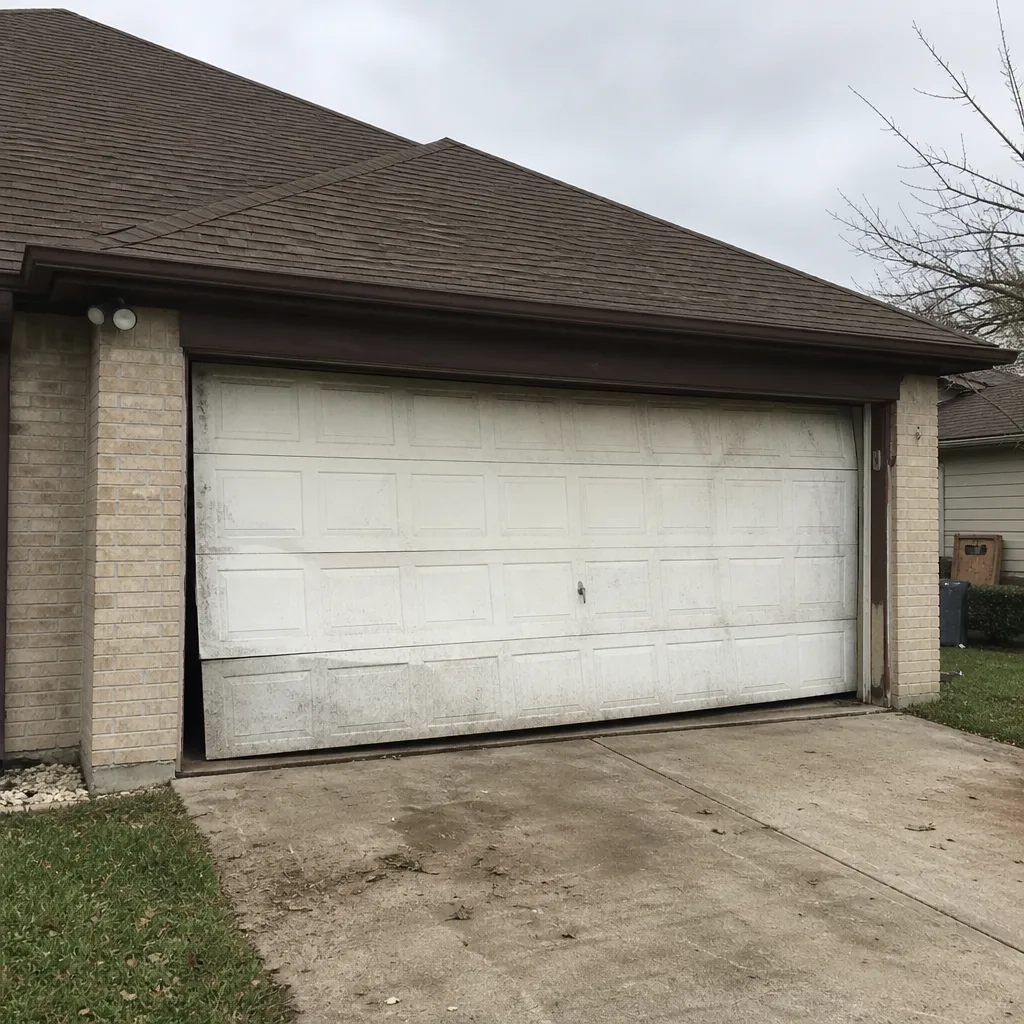 Before
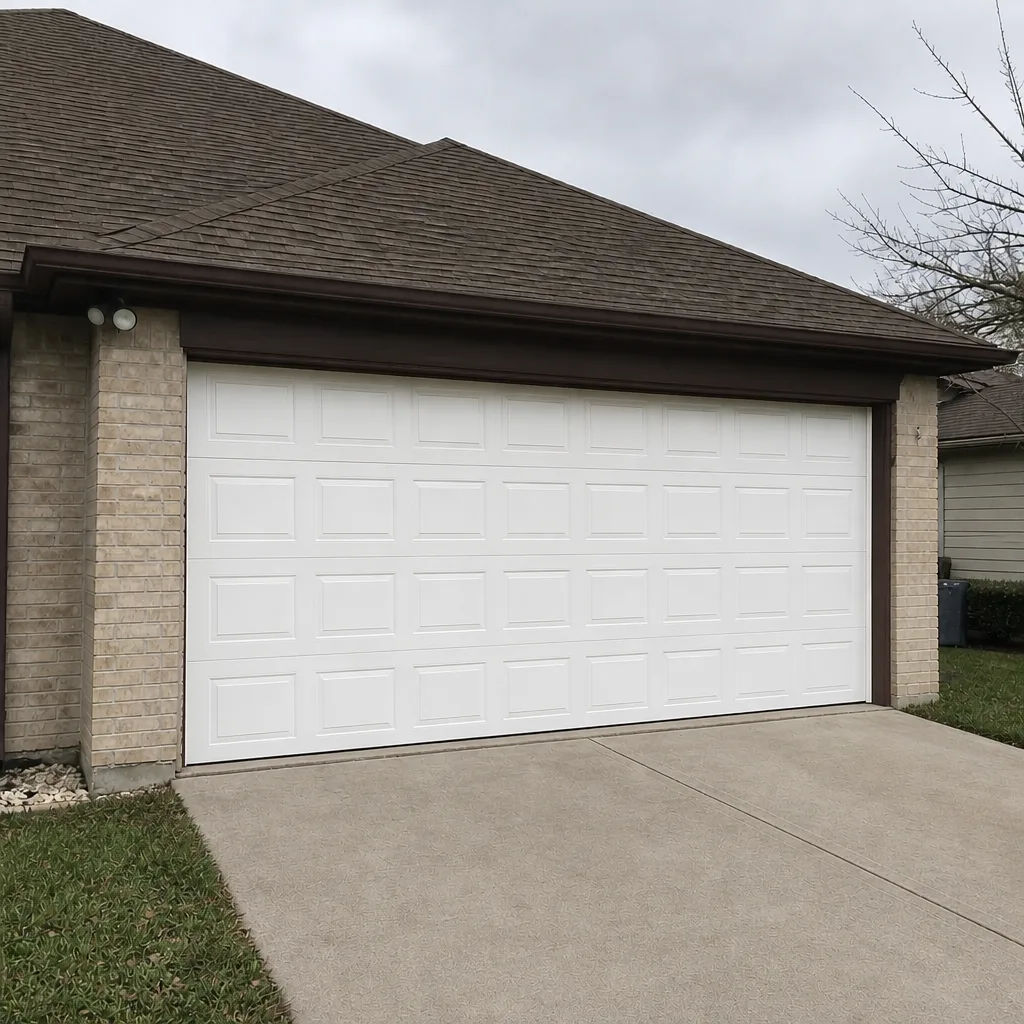 After
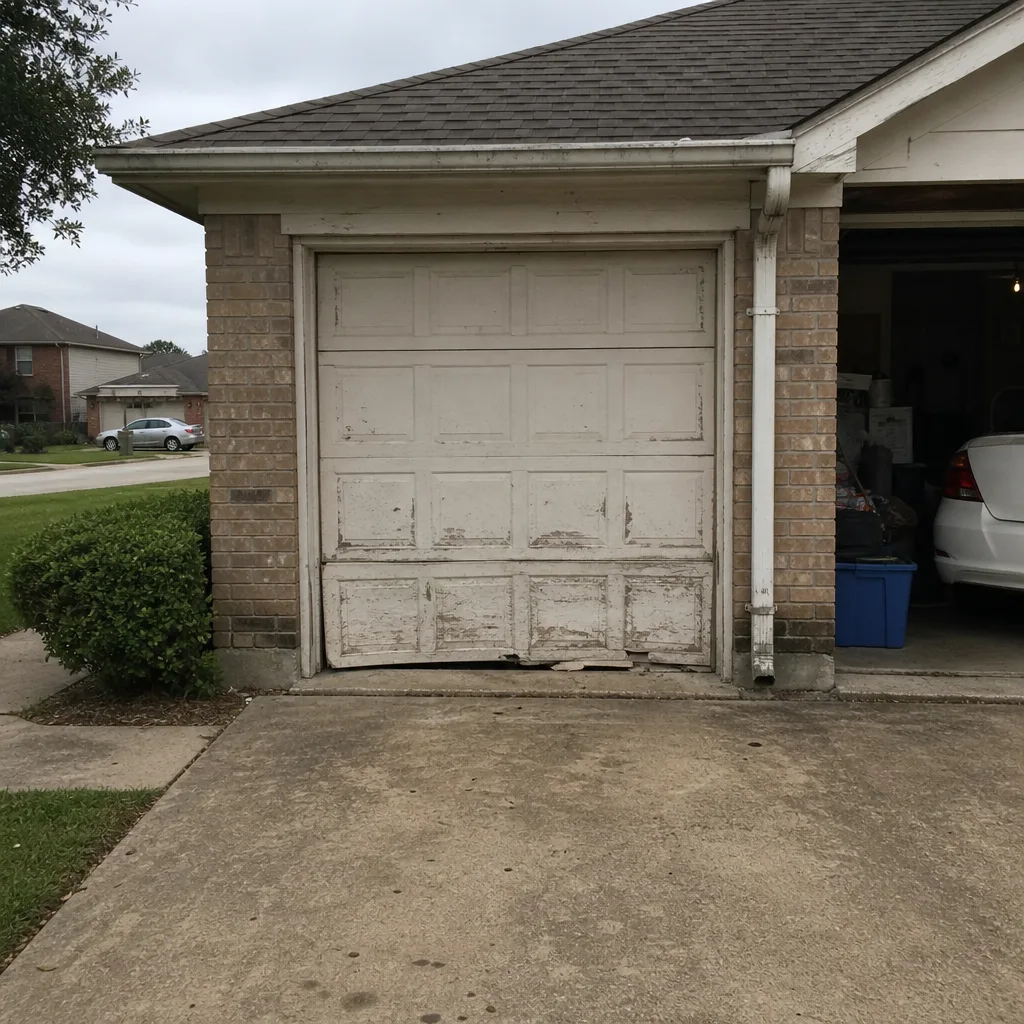 Before
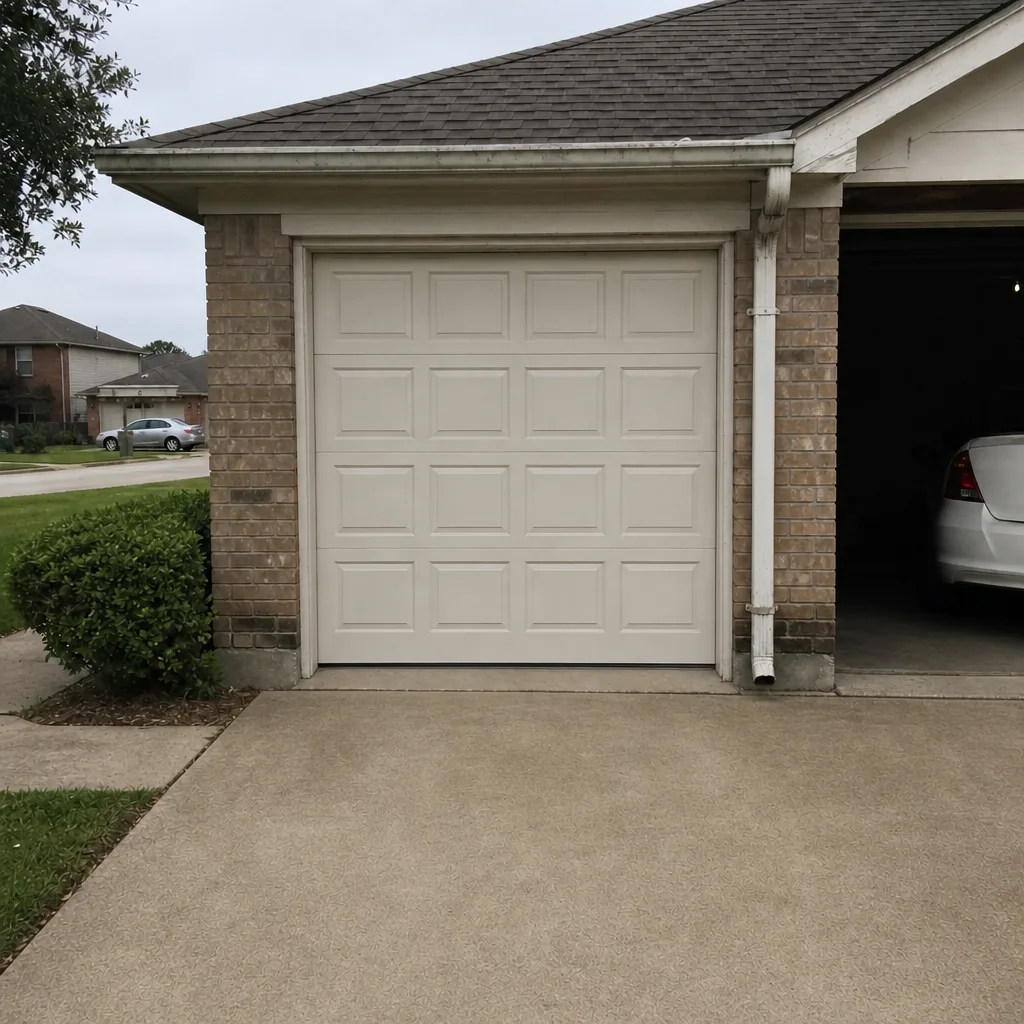 After
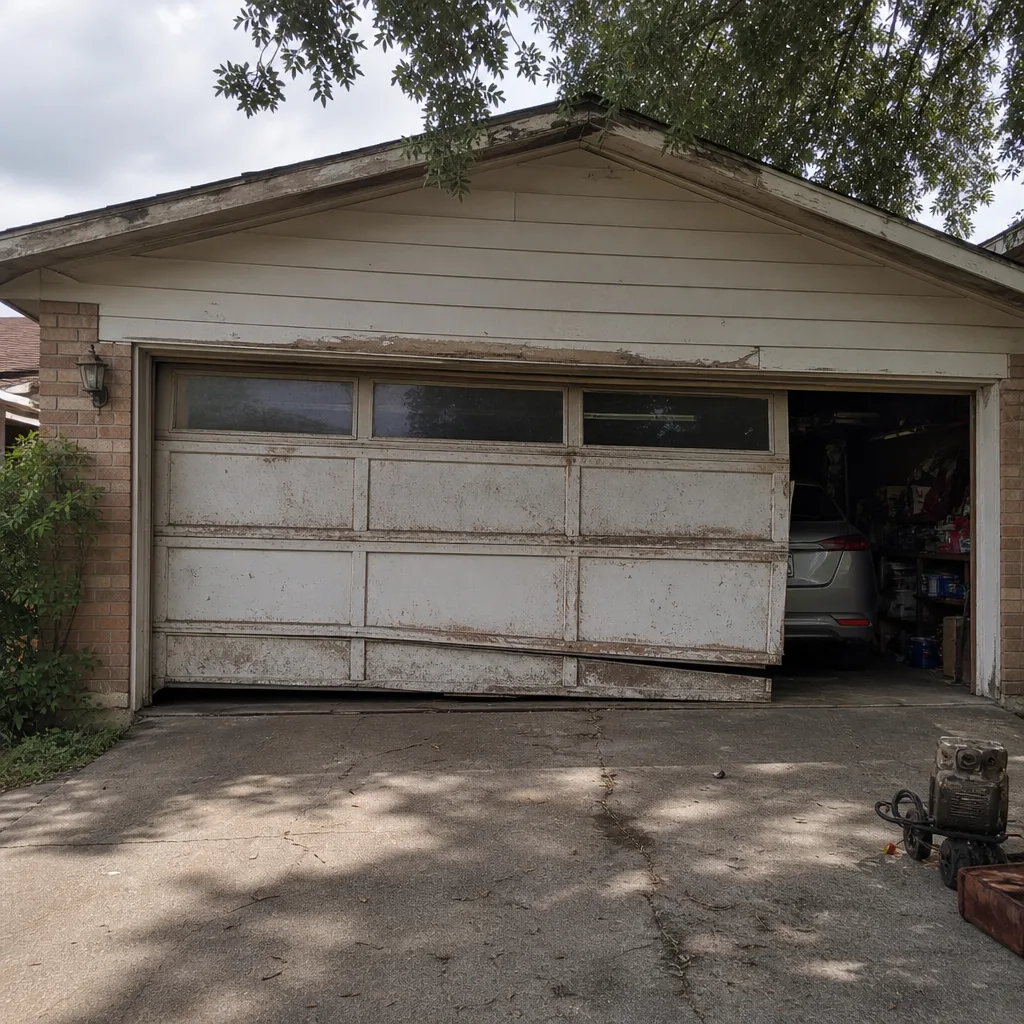 Before
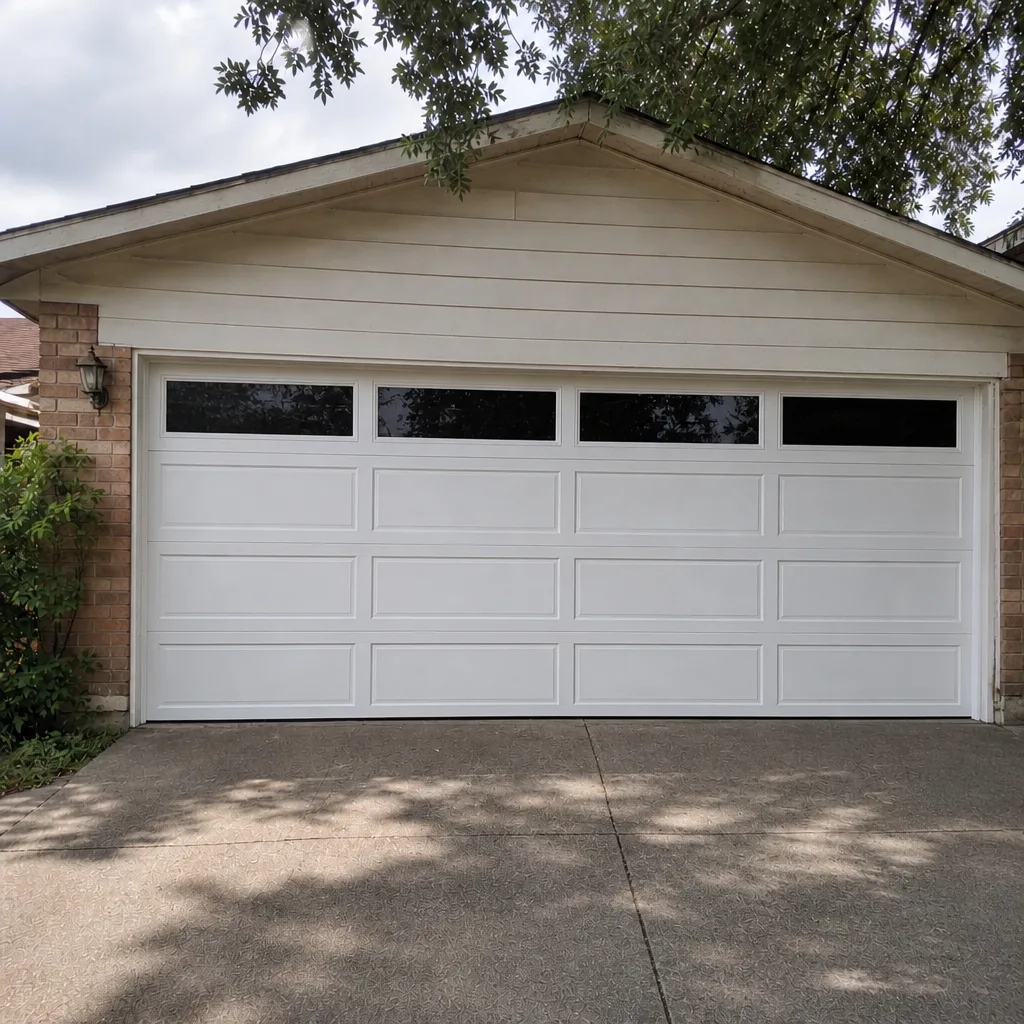 After
When to Call a Professional
Some garage door issues can wait for a normal appointment. Others shouldn’t. Call a professional right away if the door won’t close and your home is left unsecured, if the door is stuck and your vehicle is trapped inside, if you hear a loud bang from the mechanism followed by a door that won’t lift, if a cable has come off its drum, or if the door has come off its track and is sitting unevenly. Any of those is a sign that a high-tension component has failed or something structural is wrong. Don’t force the door. Don’t pull on the cables. Call a professional. For routine issues like a noisy door, a slow opener, a remote that stopped working, or a door that reverses for no clear reason, we can help diagnose it and tell you what a repair entails. Pearland Garage Door Repair Co offers free estimates in Pearland. Call (855) 337-1579. Our technicians have up to 11 years of experience, and we work on the door and opener brands you already have.
Frequently Asked Questions
Ask what the wind load rating is on your door and how they’d verify it. A garage door specialist answers with specifics about the door model and its documentation. A generalist who added doors as a side service usually can’t. One technical question reveals more than any ad or website claim.
Ask the company for its legal name and license information, then look it up yourself in the TDLR’s public online database. Confirm the license is active and ask what scope it covers. Then ask the company directly whether garage door installation and repair fall inside that scope. A clear answer is a good sign. A vague one isn’t.
Because garage doors are systems of specific parts, and a lump-sum quote hides what’s actually being replaced. An itemized bid names the spring type and cycle life, cable gauge, opener model, hardware, labor, and disposal. That detail is what lets you compare contractors fairly, and it’s the clearest sign of a specialist versus someone filling a schedule gap. Call (855) 337-1579 if you’d like a free, itemized estimate.
Yes, especially in an emergency. When a door is stuck and your home is unsecured or your car is trapped, the difference between a part on hand and a part on order is the difference between a fix and a wait. The most common failures – springs, cables, rollers, opener components – are also the most standardized, and a specialist keeps them on hand.
Look past the star rating and read the words. Reviews that mention torsion springs, cable replacement, opener brands like LiftMaster or Chamberlain, accurate diagnosis, and a quote that matched the final invoice tell you the reviewer saw real technical competence. Reviews that are enthusiastic but vague say more about customer service than about the work itself.
No. Garage door springs are under extreme tension, and there’s no safe DIY path for removing or replacing one. The risk of serious injury is real, and a wrong spring specification shortens the life of the opener and the door. This is the one repair to leave entirely to a trained professional.
The Bottom Line
Hiring a garage door contractor in Pearland comes down to separation: is the person you’re talking to a true specialist, or a generalist filling their schedule? Ask the wind load question. Verify the TDLR license and what it covers. Demand an itemized quote that names springs, cables, and opener model. Confirm parts are stocked, not ordered. And read reviews for technical language, not just praise. Do those things and the rest is straightforward. When you’re ready, we offer garage door repair, opener diagnostics through our garage door opener repair service, spring work handled as a specialty, and full new-door installation. If you’ve been searching for a Pearland Garage Door Repair Co, our team is ready to help.
Ready to get a written, itemized estimate for your door? Call Pearland Garage Door Repair Co at (855) 337-1579 for a free estimate. We’ll tell you what the job involves, what the parts are, and what the price will be – and you’ll know exactly what you’re getting before any work starts.
Written by the team at Pearland Garage Door Repair Co.