Last updated November 21, 2026
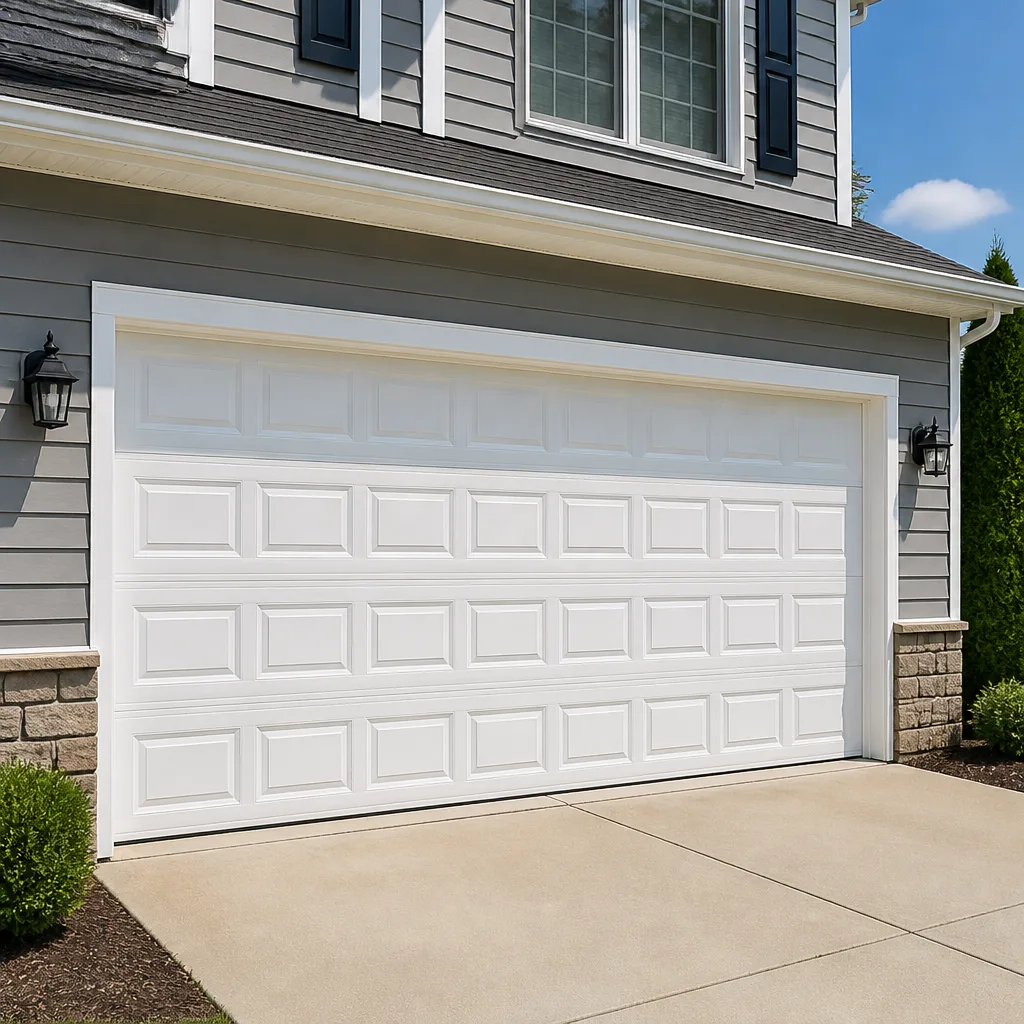 Raised-panel steel
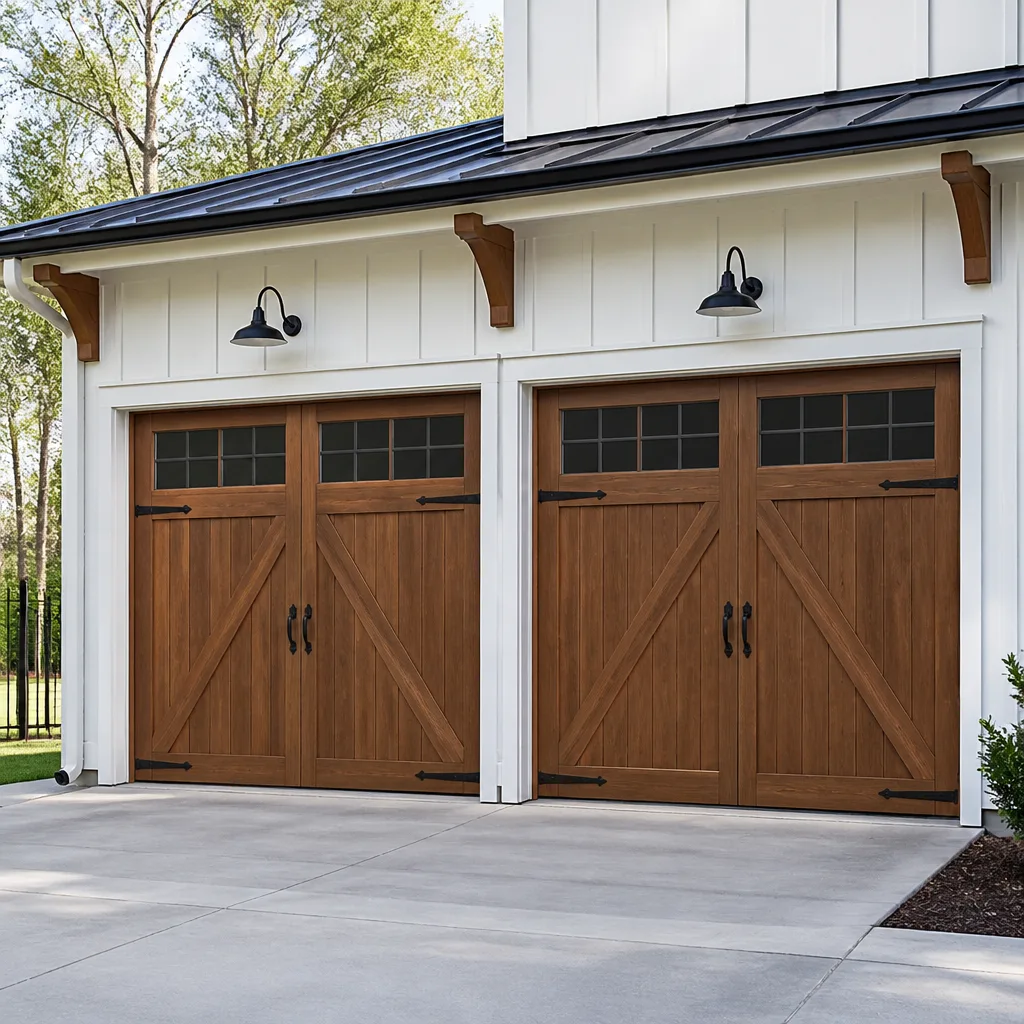 Carriage house
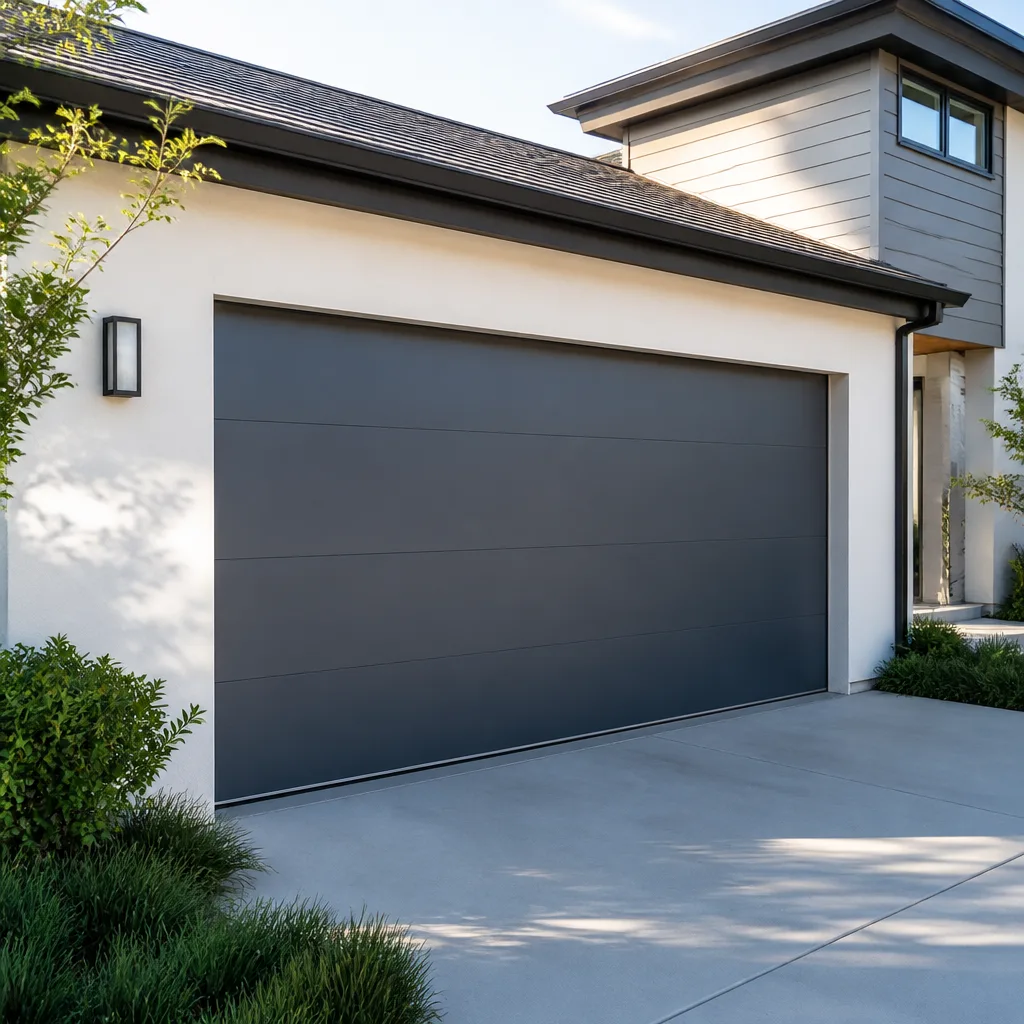 Modern flush
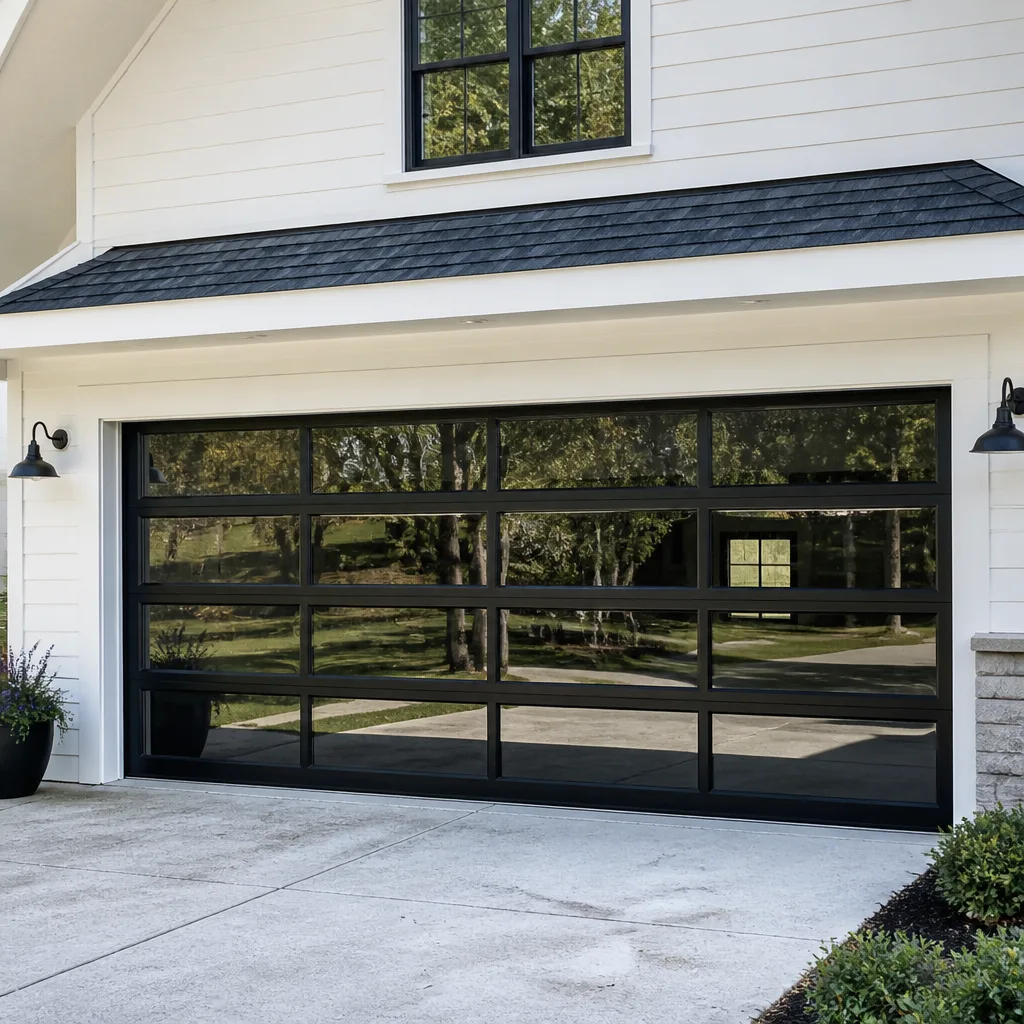 Full-view glass
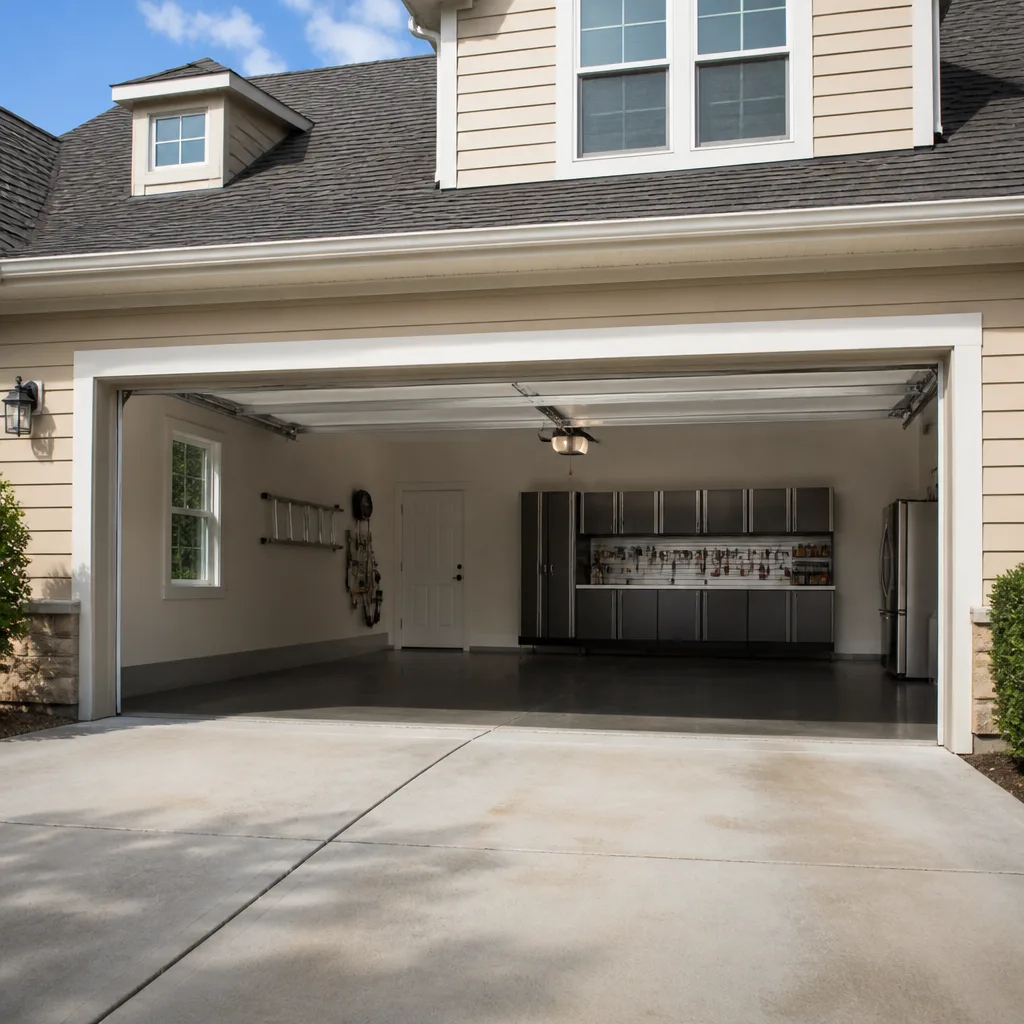 LiftMaster openers
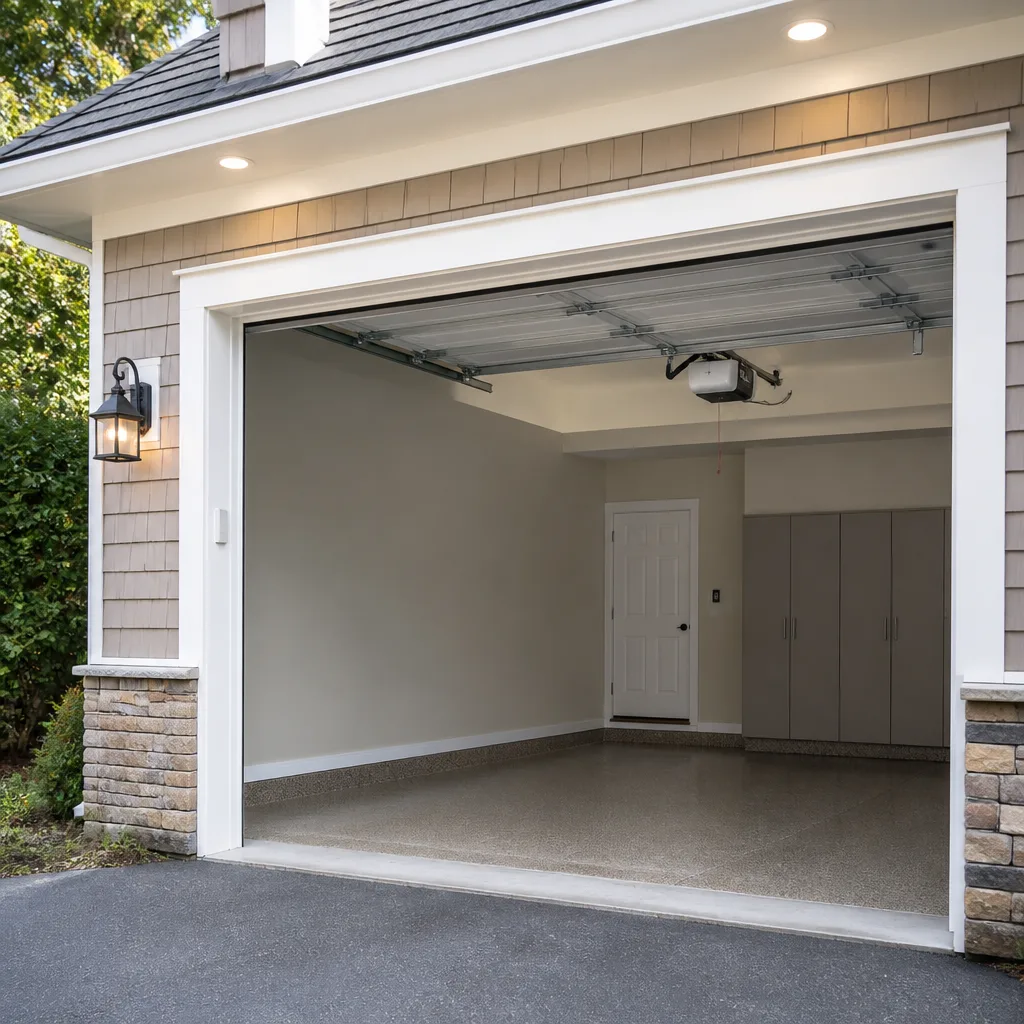 Chamberlain openers
Full 25-point door and opener safety check with every visit - springs, cables, rollers, tracks, and your LiftMaster or Chamberlain opener included
You get a price before we start. It does not change when the pro arrives.
Get your free estimateGarage Door Repair Troubleshooting in Pearland: Common Problems and How to Fix Them
A door that reverses before it reaches the floor and a door that won’t budge at all look like two completely different failures. Often they trace back to the same thing: a misaligned safety sensor. That’s the part most troubleshooting advice gets wrong. Instead of chasing parts one at a time, it helps to sort the symptom into one of six mechanical failure patterns. Once you know the pattern, the cause narrows fast and you stop guessing. This guide maps the most common garage door symptoms in Pearland to their root causes, tells you which fixes are safe to try yourself, and flags the ones that need a trained technician.
Quick Answer
Most garage door problems fall into six patterns: opener logic faults, sensor misalignment, spring failure, track or roller wear, cable damage, and balance or alignment issues. You can safely handle sensor alignment, track cleaning, and the manual release test yourself. Torsion spring, cable, and opener-internal repairs should go to a specialist because those components are under extreme tension or carry electrical risk.
Styles & brands we work with
- Raised-panel steel
- Carriage house
- Modern flush
- Full-view glass
- LiftMaster openers
- Chamberlain openers
Table of Contents
- The Six Failure Patterns Behind Almost Every Garage Door Problem
- How to Tell an Opener Failure From a Mechanical Failure
- The Door Won’t Open at All: What to Check First
- The Door Reverses Before Hitting the Floor
- Slow, Sticking, or Noisy Doors
- The Door Opens Partway and Stops
- Why Pearland Humidity Wears Doors Differently
- Safe DIY Fixes vs. Specialist-Only Repairs
The Six Failure Patterns Behind Almost Every Garage Door Problem
Every garage door system has the same core parts: the door panels, the torsion or extension springs, the cables and drums, the tracks and rollers, the hinges, and the opener with its sensors and logic board. Failures cluster around these parts in predictable ways. When you can name the pattern, you’ve already cut the diagnostic work in half.
- Opener logic or power fault. The motor runs but nothing moves, or nothing happens at all. The door itself may be fine.
- Sensor misalignment or obstruction. The door reverses, won’t close, or closes partway. The photo-eye safety system is interrupting the close cycle.
- Spring failure. The door is too heavy to lift by hand, slams down, or the opener strains and quits. Springs have reached end of life.
- Track, roller, or hinge wear. The door binds, jerks, squeals, or drifts sideways as it travels.
- Cable damage. The door hangs unevenly, one side droops, or the cable is visibly frayed or off the drum.
- Balance or alignment failure. The door is level but heavy, or sits crooked in the frame even when the opener runs normally.
Each pattern has its own tell. A door that reverses usually points to pattern two. A door that groans and shudders as it rises is often pattern four. A door that won’t lift at all, even with the opener disengaged, is almost always pattern three or five.
Which brand you own matters less than you’d think
We service LiftMaster, Chamberlain, Genie, Clopay, Amarr, Wayne Dalton, Craftsman, and Raynor systems, and the failure patterns hold across all of them. What changes is the diagnostic path. A Genie opener’s sensor indicator LEDs read differently from a LiftMaster’s, and the way each brand handles a safety reversal differs slightly. That’s why the fix that works for your neighbor’s Chamberlain may not be the first thing to try on your LiftMaster. Knowing the brand narrows the diagnostic steps, not the underlying cause.
How to Tell an Opener Failure From a Mechanical Failure
The manual release test is the single most useful diagnostic step homeowners skip. It takes two minutes and tells you definitively whether the problem lives in the opener or in the door itself. Do this before you call anyone.
- Close the door and make sure no one is standing under it.
- Pull the red emergency release cord hanging from the opener trolley. This disconnects the door from the opener arm.
- Lift the door by hand, halfway, then let go.
- Watch what happens.
If the door lifts easily and stays where you put it, the door is balanced and the problem is in the opener. If the door is heavy, won’t stay up, or drops when you let go, the problem is mechanical: springs, cables, or balance. If the door binds or scrapes as you lift it, the problem is in the tracks or rollers.
Reading the test result
A healthy door lifts with one hand from the middle. A door that requires two hands and real effort has a spring problem. A door that lifts easily but won’t stay put has a balance or spring tension issue. A door that fights you on one side only has a cable or track problem on that side. This one test tells you which of the six patterns you’re in before you spend money on a service call.
When the door passes the manual release test, your next step is garage door opener repair, and the opener becomes the focus. When it fails, the door itself is the problem, and that’s where a specialist’s diagnostic time is better spent. For most Pearland homes, this test is the difference between a quick opener reset and an unnecessary full-system replacement.
The Door Won’t Open at All: What to Check First
A door that won’t open is usually an opener power or logic problem, not a door problem. Systematically work through the opener before you assume the worst.
- Check the wall button. If the wall control works but the remote doesn’t, the issue is the remote battery or the receiver. If neither works, the problem is upstream.
- Check the power source. Look for a tripped breaker or a GFCI outlet on the ceiling that has tripped. Garage outlets in Pearland are often on GFCI circuits, and humidity-driven nuisance trips happen more than people expect.
- Check the safety sensors. A blocked or misaligned sensor can prevent the door from moving in either direction on some openers, not just the close cycle.
- Check the lock feature. Many openers have a vacation lock or control lock that disables the remotes. A child or a guest can engage it accidentally.
- Check the manual release. If the door is disengaged and the opener runs but the door doesn’t move, the trolley is disconnected.
If all of those check out and the opener still does nothing, the logic board or the motor capacitor may have failed. Those are internal components and not a homeowner repair. A LiftMaster or Chamberlain unit with a dead logic board can often be fixed at the opener level instead of replacing the whole system. That’s the case for garage door opener repair rather than a new door.
The Door Reverses Before Hitting the Floor
A door that reverses before hitting the floor is almost always a safety sensor problem. The photo-eye sensors sit about six inches off the ground on each side of the door and shoot an invisible beam across the opening. If that beam is broken, misaligned, or the lenses are dirty, the opener reads it as an obstruction and reverses.
Sensor alignment procedure, step by step
- Locate both sensors: one on each track, about six inches from the floor. One has a sending LED (usually amber or orange), the other a receiving LED (usually green).
- Check the LEDs. On most LiftMaster and Chamberlain units, both LEDs should glow steady when the beam is clear. A blinking LED means misalignment or a blocked beam.
- On Genie systems, the receiving LED is typically green and steady when aligned; an amber or flashing light points to a problem. Confirm the exact indicator colors for your model before adjusting anything.
- Wipe both lenses with a dry cloth. Dust and spider webs cause more false reversals than most people realize.
- Loosen the sensor bracket wing nut or screw slightly and nudge the sensor until the receiving LED goes steady.
- Tighten the bracket and test the door through a full close cycle.
If the LEDs won’t go steady no matter how you adjust them, the sensor or its wiring may have failed. That’s a quick fix for a technician, and it’s one of the most common service calls we get in Pearland. Before you replace the opener, rule out the sensors. They’re the cheapest part of the whole system and cause more reversals than anything else.
Sometimes a door that reverses is also out of balance. If the sensors are clean and aligned but the door still reverses, check for a mechanical obstruction: a warped panel, a loose track, or a roller off its track. In that case the answer is garage door repair on the door itself.
Slow, Sticking, or Noisy Doors
A slow or noisy door is usually pattern four: track, roller, or hinge wear. It’s also the most fixable category for a homeowner, and the one where small maintenance goes the longest way.
- Squealing or grinding. Dry rollers or hinges. A silicone-based lubricant on the rollers, hinges, and torsion bar bearings (not the tracks) quiets most of it.
- Jerking or shuddering. A bent track or a worn roller. Check the tracks for dents or misalignment and look at the rollers for flat spots.
- Slow movement. On an opener, the speed setting or the motor’s torque adjustment may be limiting travel. Slow speed can also signal a failing capacitor or a door that’s out of balance and dragging the opener down.
- A single loud bang. A torsion spring snapping is loud, distinct, and unmistakable. After a bang, the door won’t lift and must not be forced. See the spring section below.
In Pearland, track rust and roller wear show up faster than in drier parts of Texas. Gulf Coast humidity works on bare steel tracks and on the roller bearings, and a door that ran quietly in January can sound like a different machine by August. A yearly wipe-down of the tracks and a light silicone spray on the moving parts does more for noise than any other single habit.
The Door Opens Partway and Stops
A door that opens a foot or two and stops has a travel-limit or obstruction problem. The opener thinks it has hit something or reached its open limit early.
- Obstruction on the track or door path. A loose bolt, a piece of debris, or a misaligned panel can stop travel.
- Limit switch out of adjustment. The opener’s up-limit setting has drifted. This is adjustable but varies by brand: LiftMaster and Chamberlain use travel-limit screws or a digital travel module, while Genie and Craftsman units vary by model. Adjusting the wrong screw moves the limit in the wrong direction.
- Binding door. If the door struggles and then stops, the opener’s force limit is kicking in. That’s a mechanical problem, not an opener setting.
- Failing capacitor or motor. On older openers, the motor loses torque and stalls under load. That’s a repair or replacement decision.
The most common mistake here is turning up the force limit to push through a binding door. That hides a mechanical problem and shortens the opener’s life. Fix the bind first. If the door moves freely by hand but the opener still stalls, the opener is the issue. Opener-specific expertise matters here, since the same symptom on a Genie and on a Raynor may need a different part and a different adjustment.
Why Pearland Humidity Wears Doors Differently
Pearland’s Gulf Coast humidity does things to garage doors that drier Texas climates don’t. The air stays wet through much of the year, and that moisture is the single biggest driver of premature wear on the mechanical parts of a door.
- Spring corrosion. Torsion springs are oil-tempered steel wire. Humidity attacks the surface, pits the wire, and small stress cracks form faster than in dry air. A spring that would last years longer inland can fail sooner in Pearland. That’s the main reason spring inspection matters more here.
- Track and roller rust. Bare steel tracks and the steel bearings inside rollers rust from the inside out. Rusty tracks bind, and binding tracks wear rollers and springs double-time.
- Wood and paint wear. Wooden or wood-composite doors absorb moisture, swell at the joints, and the paint film fails earlier than in dry climates. That causes panel warping and binding.
- Sensor condensation. Foggy mornings leave a film on sensor lenses that can interrupt the beam. Wiping them periodically cuts down on phantom reversals.
None of this means you need a new door. It means the maintenance calendar in Pearland looks a little different from the one in the Texas Hill Country. A silicone lubricant on the moving parts, a dry-cloth wipe of the sensors, and an eye on the spring wire for rust all pay off. If you see rust pitting on a torsion spring, that’s the point to schedule a spring inspection rather than wait for the bang.
Safe DIY Fixes vs. Specialist-Only Repairs
Most garage door troubleshooting falls into two buckets: things a careful homeowner can do, and things that require a trained technician with the right tools. Knowing the line is the difference between a quick fix and a serious injury.
Safe for homeowner intervention
- Sensor alignment and lens cleaning.
- Track cleaning and light silicone lubrication of rollers, hinges, and bearings.
- Replacing remote batteries and reprogramming remotes.
- The manual release test.
- Checking breakers and GFCI outlets.
- Clearing obstructions from the door path.
Specialist-only repairs
- Torsion and extension spring work. Springs are under extreme tension. A torsion spring carries enough stored energy to break bones or worse if the winding bars slip or the wrong tool is used. There is no safe homeowner version of this repair.
- Cable replacement. Cables are under high tension and are directly coupled to the springs. A cable that slips under load is dangerous.
- Opener internal repairs. Capacitors, logic boards, and motor windings carry electrical risk and require model-specific parts.
- Track realignment after a major impact. A bent track or a door off its rollers can fall.
Spring work is a specialty for a reason. It’s a high-tension, high-risk repair that takes dedicated tools and training well beyond general home repair. Our garage door spring repair service exists for exactly that reason. If you’re not sure whether your problem is in the safe bucket, the manual release test will usually tell you. When in doubt, stop and call.
Emergency service when timing matters
Emergency garage door service is a named service, not an add-on. When a broken door leaves the house unsecured or a car trapped, it’s a different priority than a noisy hinge. If your door won’t close and you can’t leave it open safely, call rather than wait for a scheduled appointment. We’ll tell you what’s realistic for the day rather than promise a window we can’t meet.
Common Mistakes to Avoid
- Forcing a jammed door. If the door won’t lift by hand, the springs or cables are the problem. Forcing it with the opener or by hand can snap a cable or drop the door.
- Turning up the opener’s force limit to push through a bind. This masks the mechanical problem and wears the opener out. Find the bind, fix the bind.
- Replacing the opener when the sensors are the problem. A reversing door is usually a sensor issue, not a dead opener. Check the LEDs first.
- Lubricating the tracks. Lubricant on the tracks collects dust and grime and makes the rollers slide instead of roll. Lubricate the rollers and hinges, not the track surface.
- Ignoring spring rust. In Pearland’s humidity, rust on the spring wire is a warning sign. Waiting for the bang costs more than a spring inspection.
- Adjusting travel limits without confirming the brand procedure. A LiftMaster’s limit adjustment differs from a Genie’s. Turning the wrong screw or setting the wrong travel module moves the limit the wrong way.
See the difference
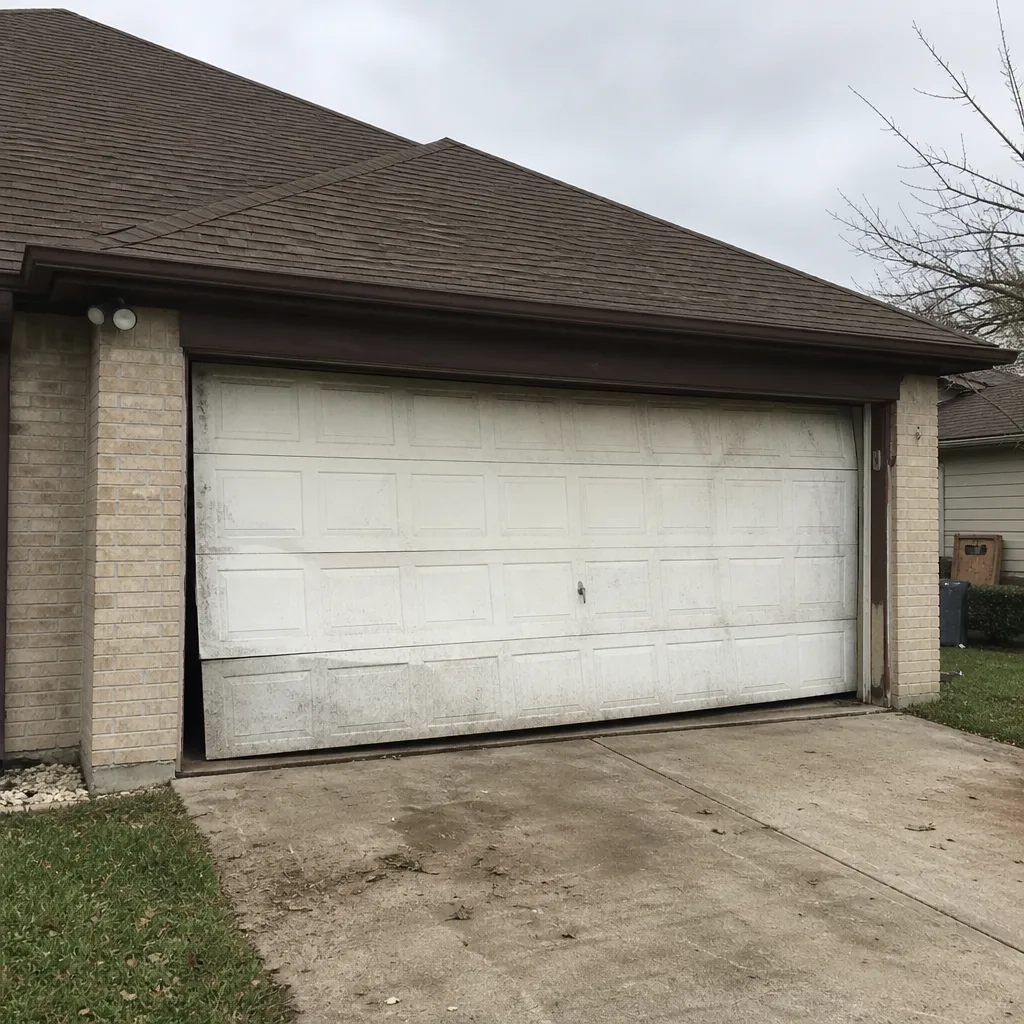 Before
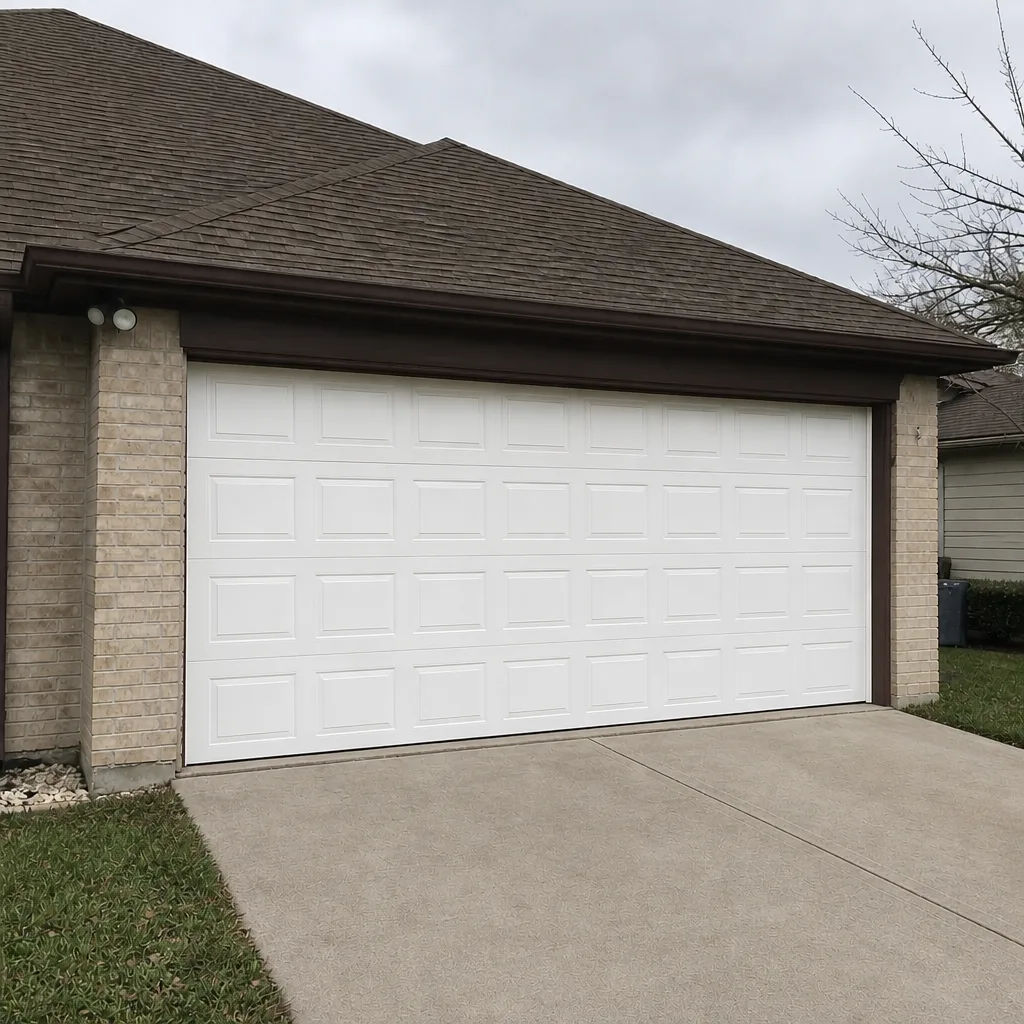 After
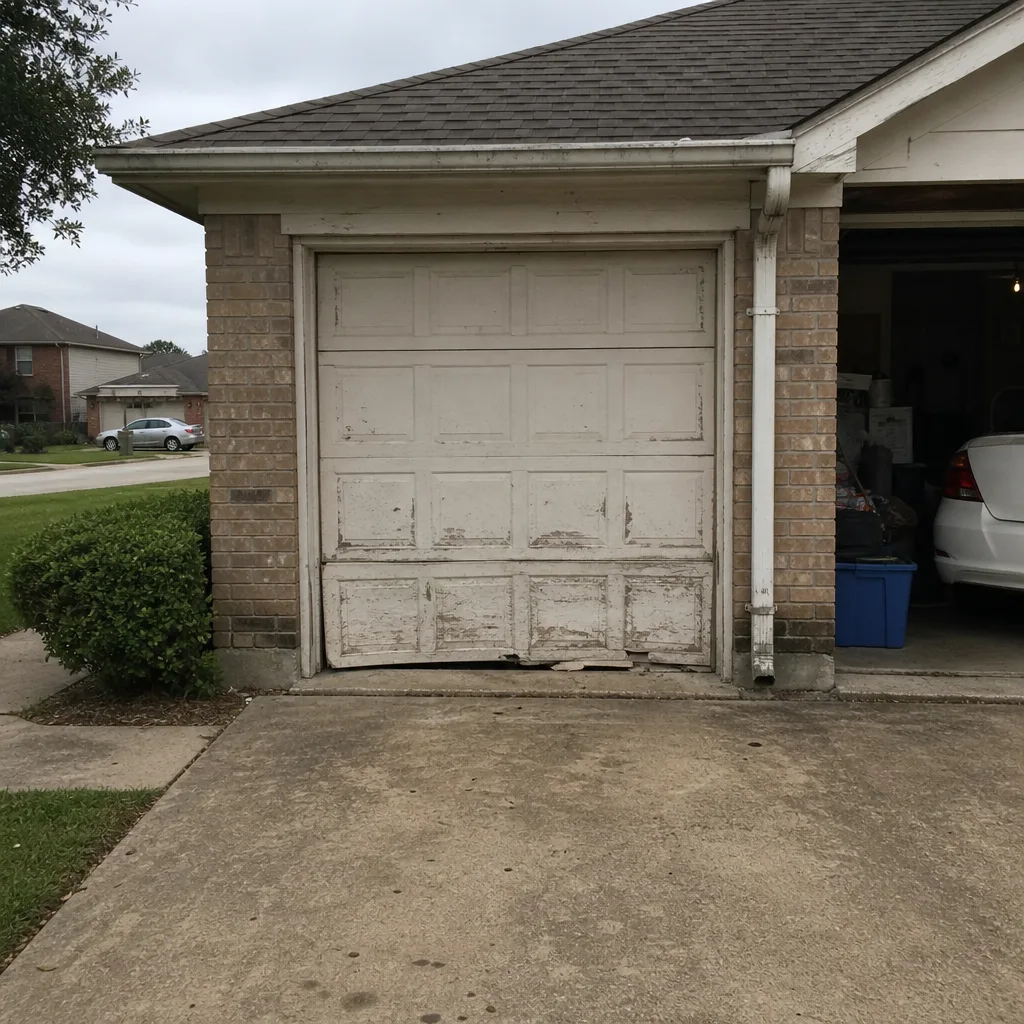 Before
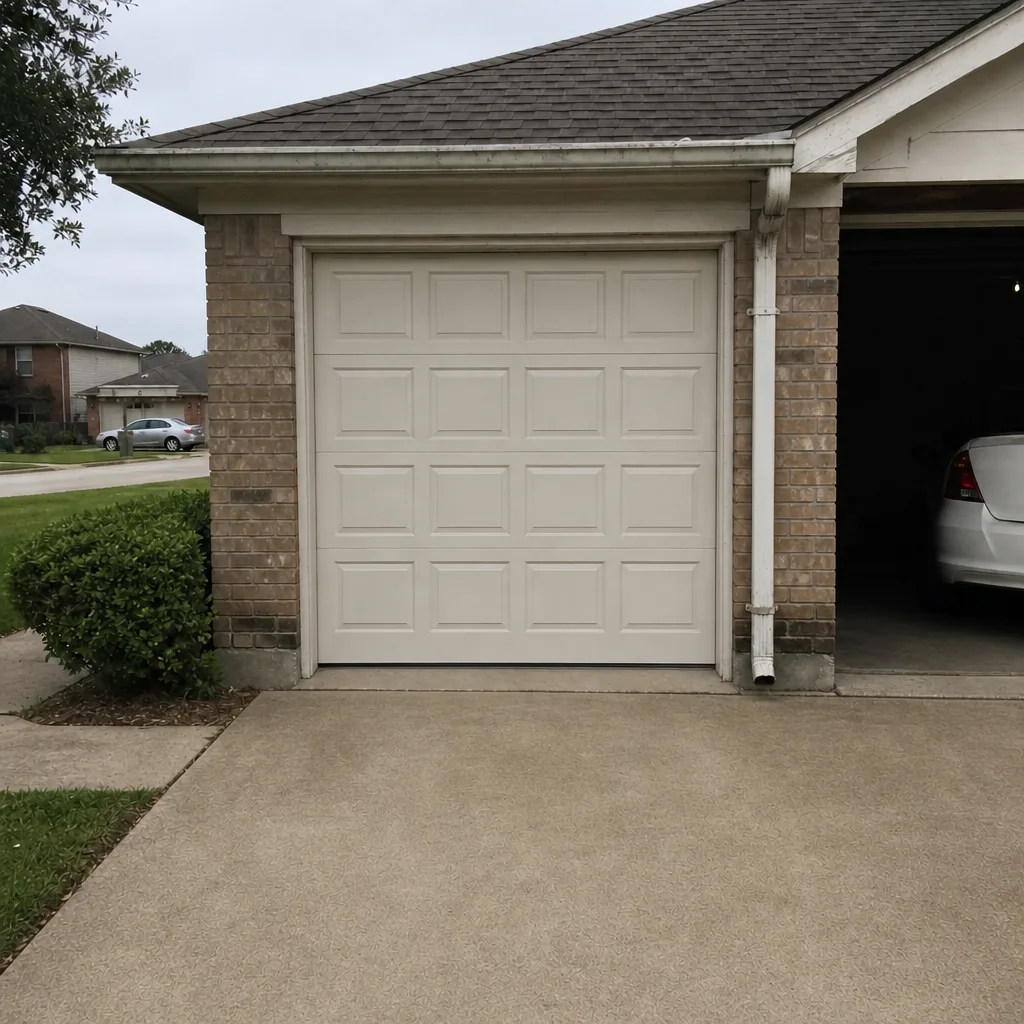 After
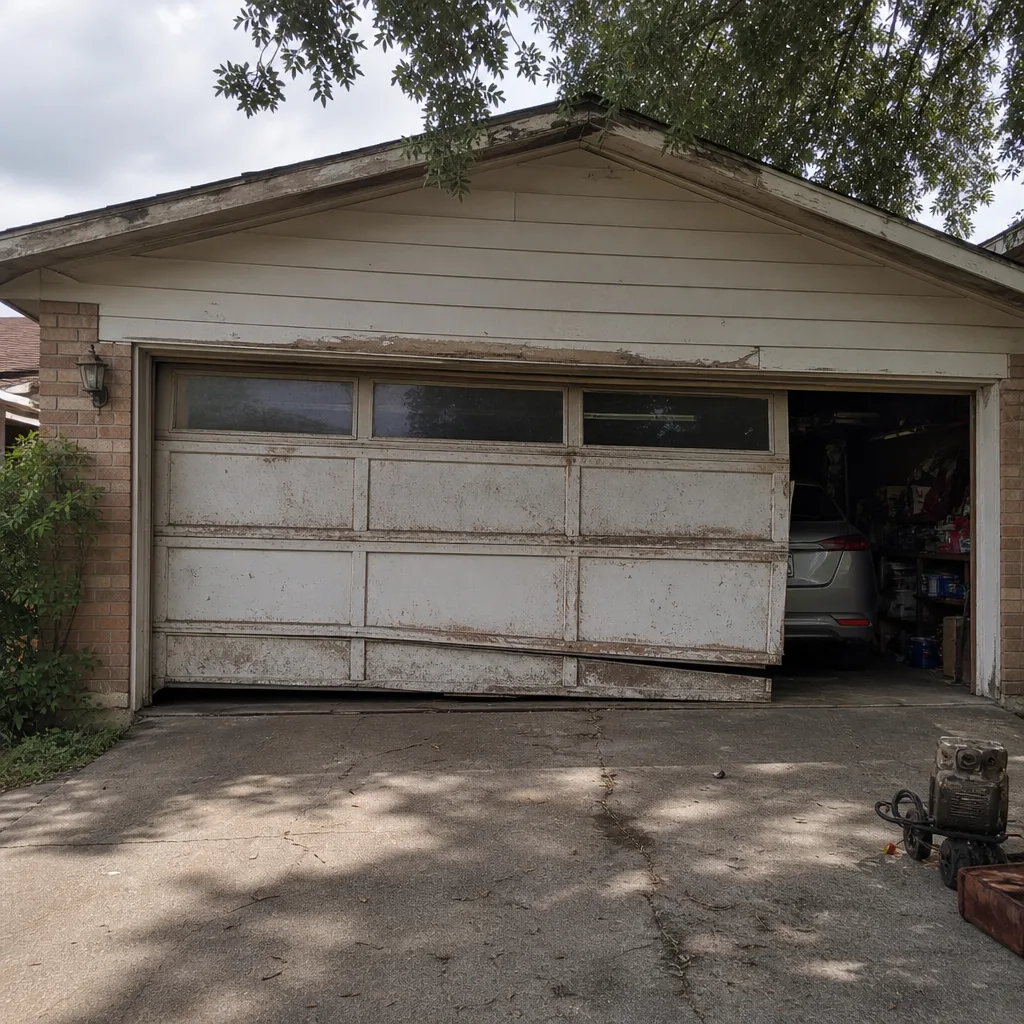 Before
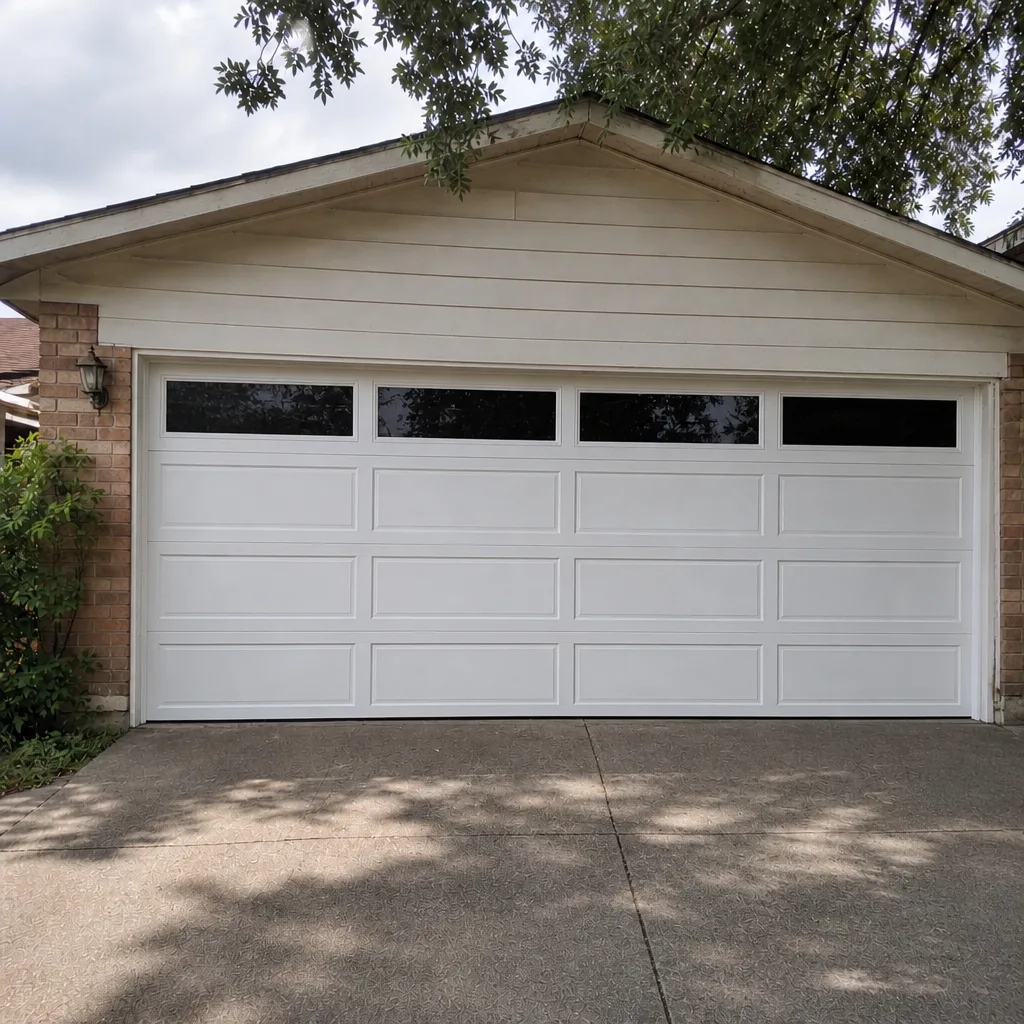 After
When to Call a Professional
Call a specialist when the manual release test shows the door is heavy or won’t stay up, when you see spring rust or hear a loud bang, when the door hangs unevenly, or when an opener repair crosses into internal components. Those cases involve high tension, electrical risk, or both, and no amount of troubleshooting advice replaces the right tool and the right training. Our technicians have up to 11 years of experience across the major door and opener brands, and we handle the full range: garage door repair, opener repair, spring repair, and full installation. Every job gets a written quote before any work starts. Pearland Garage Door Repair Co offers free estimates in Pearland, so call (855) 337-1579 to get a real diagnostic rather than a guess.
Frequently Asked Questions
A reversing door is almost always a safety sensor problem. The photo-eye sensors on each track need a clear, aligned beam to allow the door to close. Clean both lenses, check that both LEDs are steady (not blinking), and nudge the sensor bracket until the beam is clear. If the LEDs won’t go steady, the sensor or its wiring has failed and a technician can replace it. Call (855) 337-1579 for an exact quote, and estimates are free.
Pull the red manual release cord and lift the door by hand. If it lifts easily and stays up, the opener is the problem. If it’s heavy, won’t stay up, or binds, the door or its springs, cables, or tracks are the problem. That one test narrows almost every diagnosis, and it takes two minutes.
No. Torsion and extension springs are under extreme tension and carry enough stored energy to cause serious injury if the wrong tool or technique is used. Spring replacement requires dedicated winding bars, proper training, and a set of safety habits that come with experience. Get a trained technician for this one, every time. A written quote from us comes before any work begins.
Pearland’s Gulf Coast humidity is the main reason. Moisture attacks the oil-tempered steel wire that springs are made from, pitting the surface and forming stress points that shorten the spring’s life compared to drier parts of Texas. Rust visible on the spring wire is a sign to schedule a spring inspection. Call (855) 337-1579 and we’ll give you a written estimate before anything is done.
Check for an obstruction in the door path first, then look at the opener’s travel-limit setting. If the door binds by hand, the problem is mechanical and the opener’s force limit is just doing its job: fix the bind, don’t raise the force setting. An opener-specific repair may be needed if the door moves freely by hand but the motor still stalls.
We service LiftMaster, Chamberlain, Genie, Clopay, Amarr, Wayne Dalton, Craftsman, and Raynor systems. That covers most door and opener hardware a Pearland homeowner is likely to have. Our technicians have up to 11 years of experience diagnosing and repairing each of them. Call (855) 337-1579 for a free estimate.
The Bottom Line
Most garage door problems are one of six failure patterns, and the manual release test is the fastest way to know which one you’re in. Sensor misalignment, track wear, and lubricant issues are often safe to handle yourself. Spring, cable, and opener-internal repairs are not. In Pearland, humidity drives spring and track wear harder than in drier climates, which makes a rust check and a yearly lubrication habit worth the effort. When the test shows a heavy door, a bent track, or a failing opener, stop guessing and let a technician diagnose it. A written quote before work starts is the standard we hold to. Call (855) 337-1579 for a free estimate today.
Written by the team at Pearland Garage Door Repair Co.