Last updated November 21, 2026
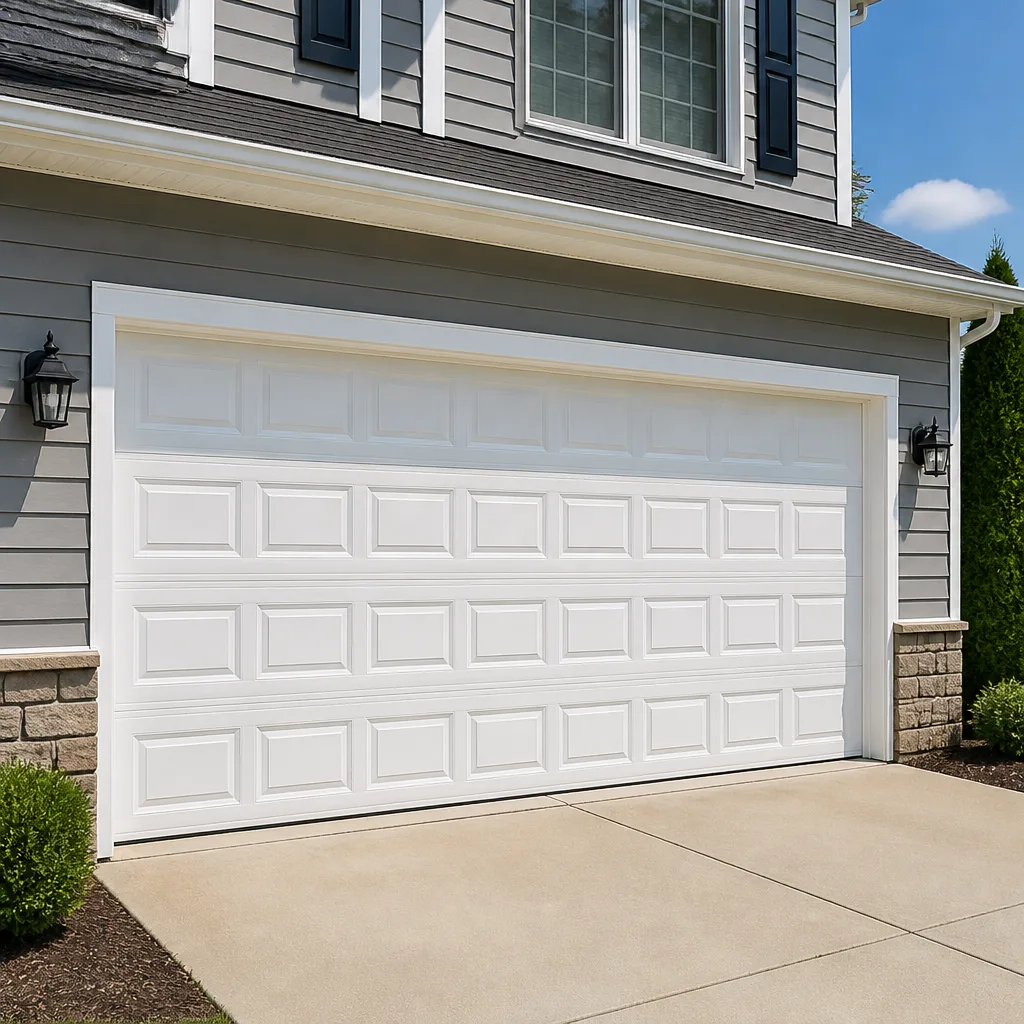 Raised-panel steel
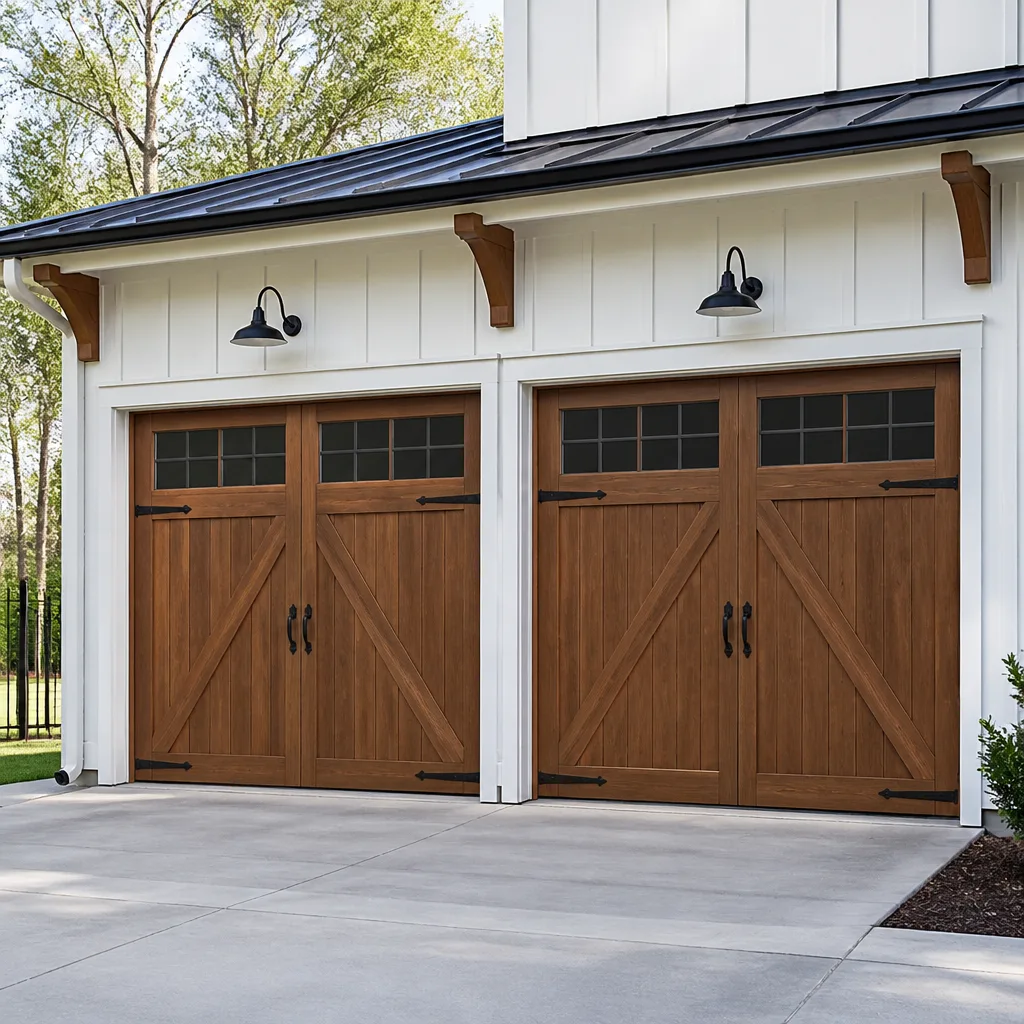 Carriage house
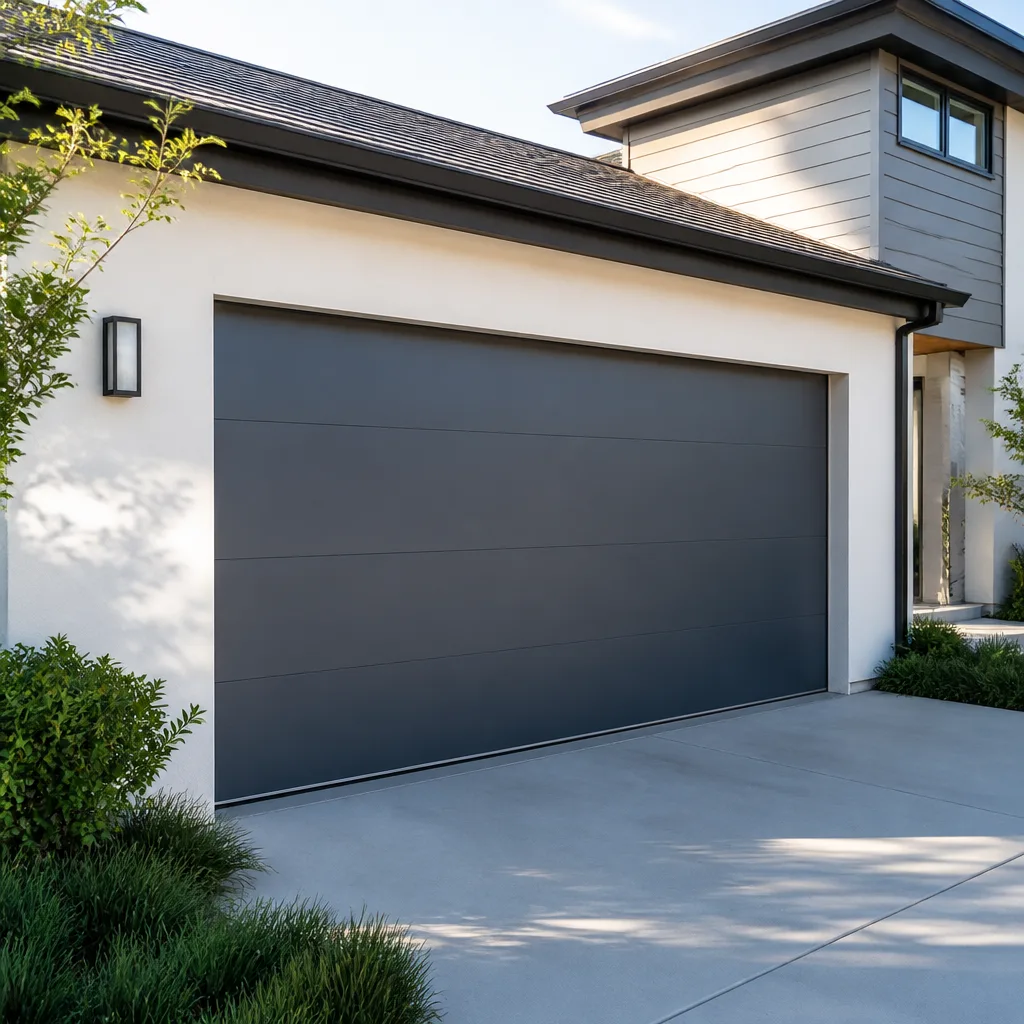 Modern flush
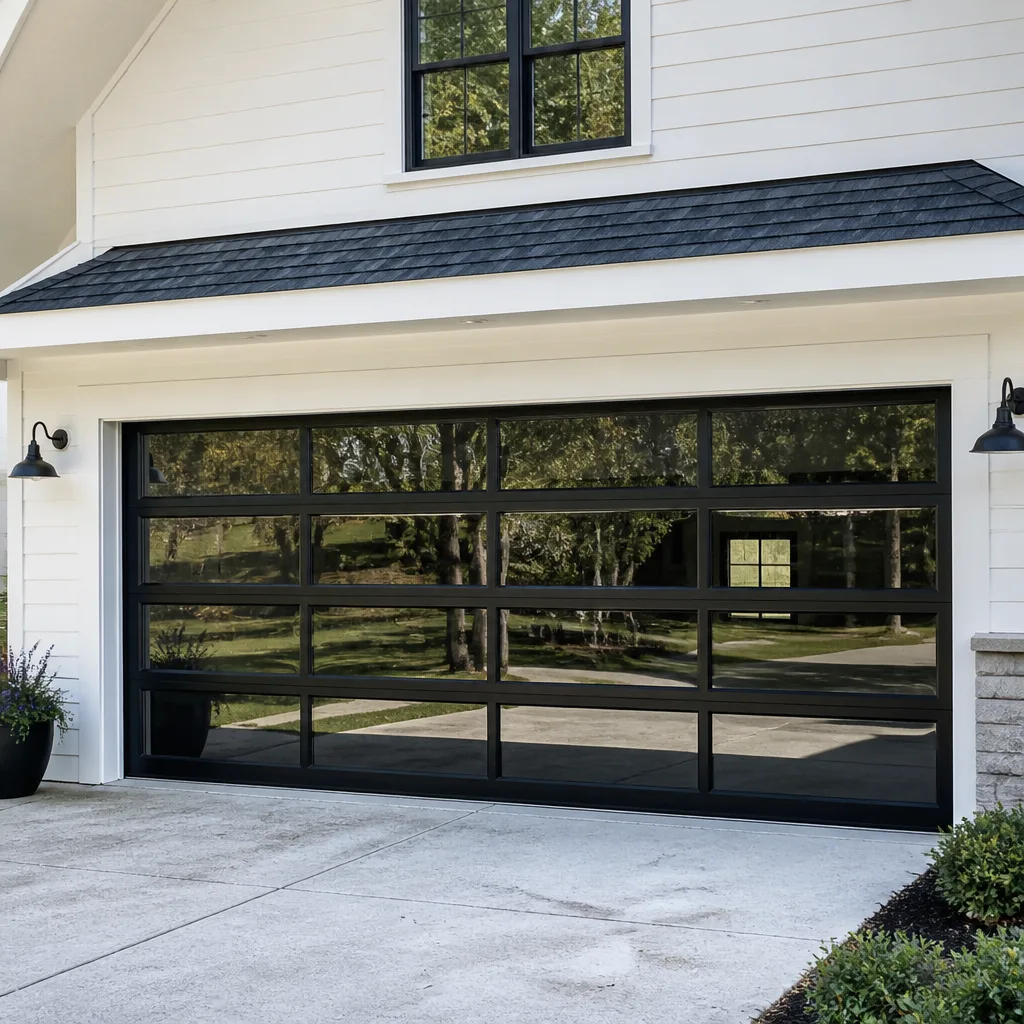 Full-view glass
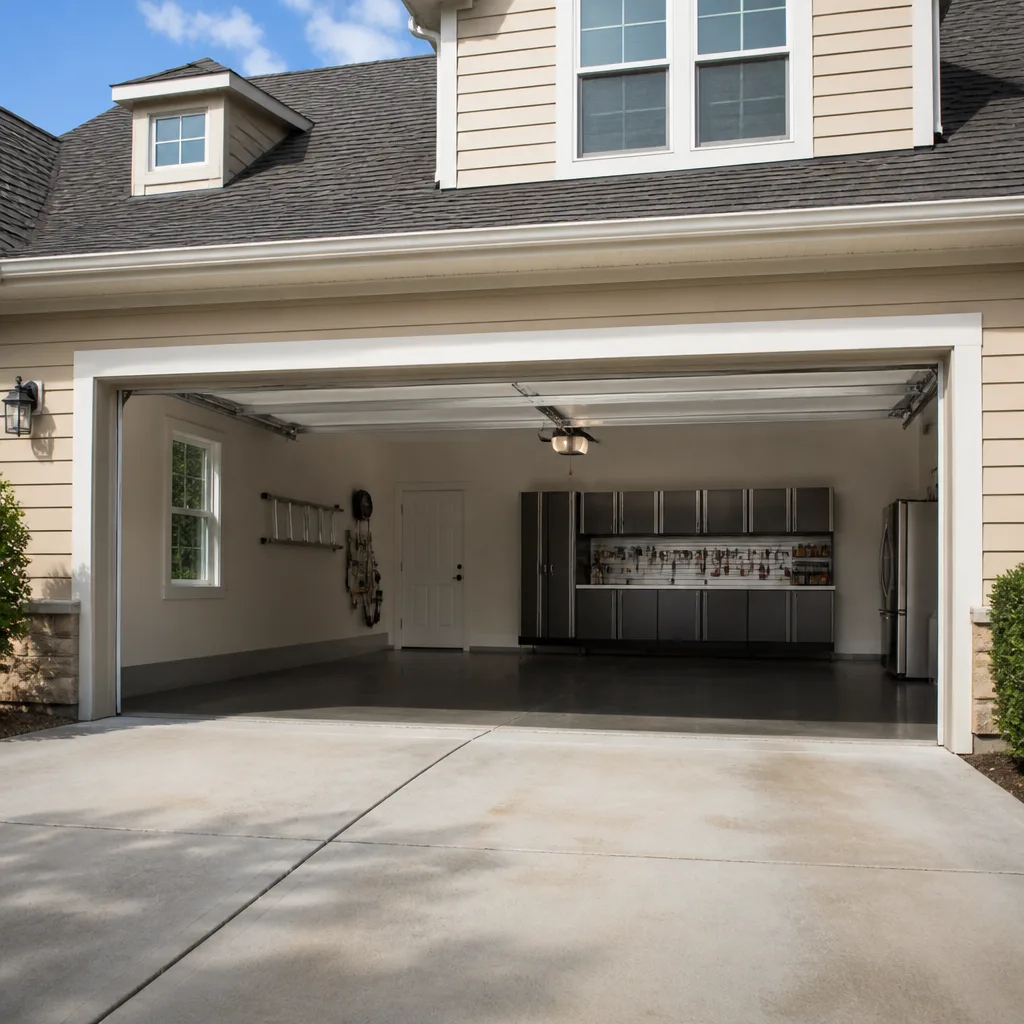 LiftMaster openers
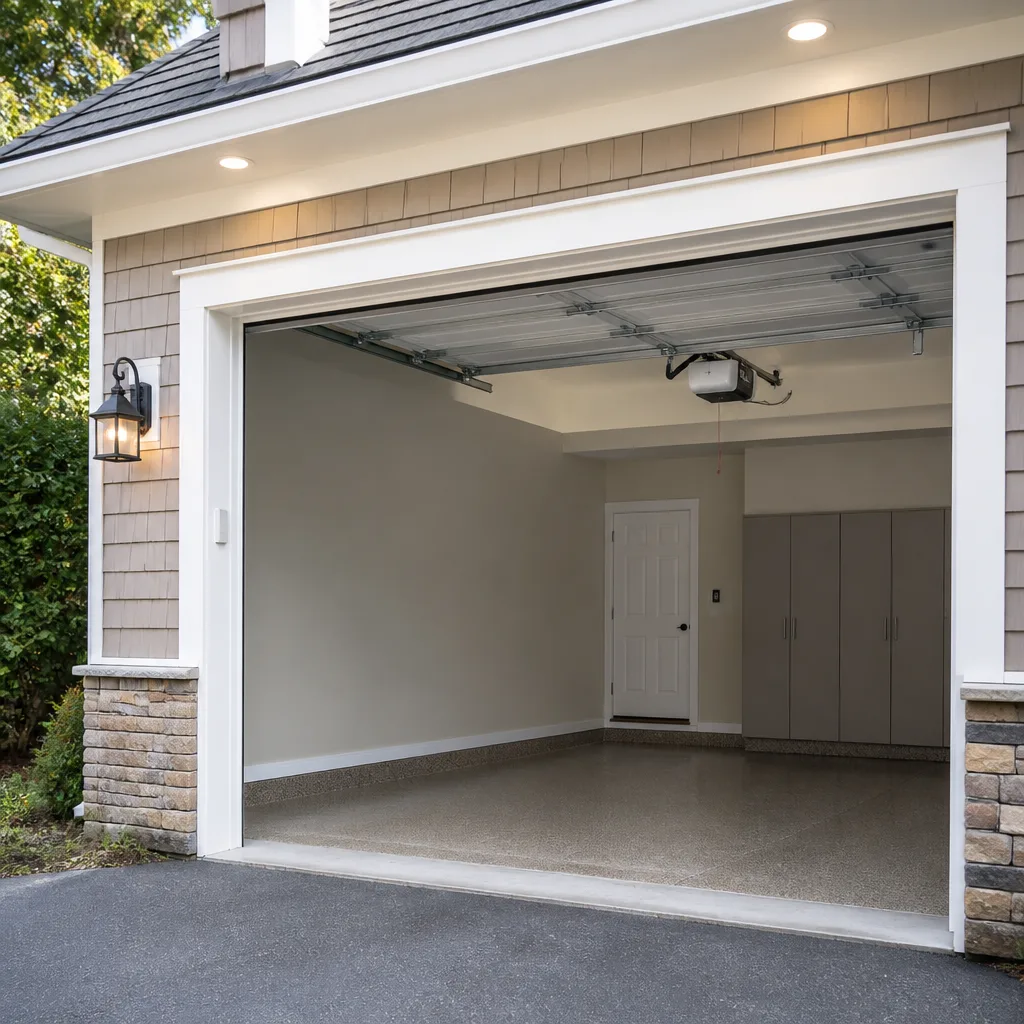 Chamberlain openers
Full 25-point door and opener safety check with every visit - springs, cables, rollers, tracks, and your LiftMaster or Chamberlain opener included
You get a price before we start. It does not change when the pro arrives.
Get your free estimateGarage Door Repair Maintenance Checklist for Pearland Homeowners
Every maintenance checklist you find online tells you to lubricate the hinges. In Pearland, that’s rarely the part that fails first. The bottom seal rots out from humidity and standing water before the hinges ever dry out. The torsion spring pits from months of Gulf humidity and lets go without warning. The side weather stripping shrinks and gaps, and the first hard rain finds its way under the door. Most of what goes wrong here is moisture and heat, not cold. So this checklist is ordered by what actually fails first on a Pearland door, not by the calendar. Below you’ll find what to inspect, what to fix yourself, and what belongs with a technician.
Quick Answer
The highest-priority maintenance items on a Pearland garage door are the bottom seal, the torsion spring, and the side weather stripping, in that order, because humidity and heavy rain degrade them faster than anything else. A homeowner can safely inspect seals, tracks, rollers, and hardware tightness; spring and cable work should always go to a trained technician. Running this inspection twice a year, and after any major storm, catches most failures before they leave your door stuck or your home exposed.
Styles & brands we work with
- Raised-panel steel
- Carriage house
- Modern flush
- Full-view glass
- LiftMaster openers
- Chamberlain openers
Table of Contents
- Why Pearland Doors Fail in a Different Order
- 1. The Bottom Seal: Your First Line of Defense
- 2. Inspecting the Torsion Spring for Corrosion
- 3. Side and Top Weather Stripping
- 4. The Right Lubricant for Pearland’s Temperature Swings
- 5. Opener Checks Most Homeowners Skip
- 6. Hardware, Tracks, and Rollers
- 7. What You Can Do Safely vs. What Needs a Technician
- 8. Storm-Season Prep for Low-Lying Lots
- Common Mistakes to Avoid
- When to Call a Professional
- Frequently Asked Questions
Why Pearland Doors Fail in a Different Order
Most garage door maintenance guides are written for a climate with hard freezes, road salt, and long dry summers. Pearland doesn’t have those conditions. What it has is sustained humidity, hot summers, mild winters, and heavy rain events that push water against the bottom of your door. That changes the failure order completely.
In a cold climate, the checklist leads with hinges and rollers because cold stiffens lubricant and metal contracts. Here, humidity is the thing working on your door every day of the year. It rusts the spring coils from the inside out, softens and cracks the rubber bottom seal, and shrinks the foam or vinyl weather stripping around the frame until it pulls away from the jamb. Heat does the rest: it makes the door panels expand and contract slightly, which works screws loose over time.
That’s why a Pearland maintenance routine should be sorted by failure probability, not alphabetically. Here’s the order we’d put it in for a typical home in Shadow Creek, Silverlake, or anywhere else in Pearland:
- Bottom seal and threshold (highest failure rate, easiest to inspect)
- Torsion spring condition (highest consequence if it fails)
- Side and top weather stripping (water intrusion risk)
- Lubrication tuned to local temperature swings
- Opener and safety sensor checks
- Hardware, tracks, and rollers last
The point isn’t that hinges and rollers don’t matter. They do. It’s that on a Pearland door they’re usually not the first thing to go, and a checklist that starts there wastes your attention on the parts least likely to cause a problem.
1. The Bottom Seal: Your First Line of Defense
The bottom seal, also called the bottom weather seal or the astragal, is the rubber or vinyl strip that runs along the bottom edge of your door and presses against the floor. In a humid climate it’s the first thing to degrade, and it’s the single most overlooked part on most Pearland doors. When it fails, you don’t just get a draft. You get water, insects, and eventually a soaked garage floor every time it rains.
Here’s how to inspect it safely, with the door closed and the opener disconnected so nothing moves:
- Look along the full length of the seal for cracks, splits, flattening, or sections that have pulled away from the retainer.
- Press the seal with your thumb. It should feel springy. If it feels hard, brittle, or leaves a permanent dent, it’s done.
- Check for daylight or water staining at the corners where the seal meets the floor. Daylight means a gap.
- Look for mold, black streaking, or a musty smell near the seal, which points to trapped moisture.
- Slide a piece of paper under the closed door at several points. If it slides out easily, the seal isn’t making contact.
On lots that sit low or drain toward the house, which is common in parts of Shadow Creek and Silverlake, the bottom seal matters even more. Water that pools against the door will find any gap in a hardened or flattened seal. Replacing a bottom seal is a job a careful homeowner can often handle, but if the retainer is rusted or the door is older, it’s simpler to have it replaced properly.
2. Inspecting the Torsion Spring for Corrosion
The torsion spring is the coiled steel spring mounted on the shaft above your door. It stores the energy that lifts the door, and it’s under extreme tension at all times. High humidity is hard on it. Moisture in the air causes corrosion pitting on the coil surface, and pitting is where springs break. A spring that looks fine from across the garage can be quietly rusting at the coil gaps, and once it snaps, your door won’t open and the sudden release can damage cables, the opener, and the door itself.
You can inspect a torsion spring safely from the floor. You never touch it, wind it, or reach for it. What you’re looking for:
- Rust-colored staining or orange-brown powder on the coils
- Visible pitting, flaking, or uneven discoloration along the length
- A gap in the coil where the spring has separated (this means it’s already broken)
- Doors that feel suddenly heavy or won’t lift more than a foot
- A loud bang from the garage, followed by a door that won’t open
If you see any of those signs, stop using the door and call for service. Springs are under extreme tension, and adjusting or replacing one without the right tools and training can cause serious injury. This is a job for a technician, full stop. Our garage door spring repair service exists for exactly this reason: it’s the most mechanically dangerous part of the system, and it deserves specialized handling rather than a generalist’s guess.
3. Side and Top Weather Stripping
The weather stripping around the sides and top of your garage door frame seals the gaps between the door and the jamb. It’s the second thing to fail in Pearland’s humidity, right after the bottom seal. Vinyl and foam stripping shrinks and hardens over time, especially through hot summers, and once it pulls away from the frame, rain driven sideways by a storm gets behind it.
Inspect it with the door closed:
- Run your hand down both side jambs and the top. The stripping should sit flush against the door with no gaps.
- Look for cracks, curling edges, or sections that have pulled loose from the nails or staples.
- Check the inside of the frame for water stains or soft, swollen wood, which tells you water has been getting behind the stripping.
- Feel for drafts along the sides on a windy day.
Replacing side and top weather stripping is a manageable homeowner job on most doors, and it’s inexpensive. What usually goes wrong is leaving it too long. Once water gets behind the stripping and into the jamb, you’re dealing with rotted trim in addition to a seal. Catching it early is a fifteen-minute fix; catching it late is a repair.
4. The Right Lubricant for Pearland’s Temperature Swings
What works in January doesn’t perform the same in August. That’s the part most checklists miss. Lubricant choice matters more in a climate that swings from mild winter mornings to long, hot summers, because the wrong product either runs off in the heat or turns gummy when the temperature drops.
Here’s what to use and what to avoid:
- Use a silicone-based or lithium-based lubricant on hinges, rollers, and the torsion spring coils. These hold up across Pearland’s temperature range and don’t attract grit the way some products do.
- Avoid heavy grease or motor oil. They collect dust and dirt, which turns into a gritty paste that wears rollers and tracks faster.
- Skip WD-40 as a long-term lubricant. It’s a decent cleaner and displaces moisture, but it isn’t a lasting lubricant and won’t hold up through a hot summer.
- Wipe the tracks clean and leave them dry. Tracks should be cleaned, not greased. Lubricant in the track attracts debris and causes the door to bind.
Apply lubricant sparingly, a light coat on hinges and roller bearings, and wipe off any excess. Do a full lubrication pass twice a year, and again after any stretch of heavy rain or high humidity. A well-lubricated door runs quieter and puts less strain on the opener. If your door starts binding or the opener strains even after lubrication, that’s a sign something else is wrong, and it’s worth a look at our garage door opener repair service or a full garage door repair inspection.
5. Opener Checks Most Homeowners Skip
The opener is the part of the system most people never think about until it stops working. Most Pearland homes have an opener from one of the major brands, and a routine check catches problems early. We work on Genie, LiftMaster, Chamberlain, Craftsman, and other common systems, so we know the small quirks in each one.
Here’s what to check twice a year:
- Safety sensors. With the door open, wave an object in front of the sensors on each side of the door. The door should reverse or refuse to close. If it doesn’t, clean the sensor lenses and check the alignment before using the door again.
- Force and travel settings. The door should reverse immediately when it hits an obstruction. If it struggles or pushes down hard before reversing, the settings or the springs need attention.
- Battery backup. If your opener has a battery, test it and check the terminals for corrosion.
- Remote and wall controls. Test that each one opens and closes the door reliably. A remote that only works close to the door usually means a battery or antenna issue.
- Chain or belt condition. Look for slack, fraying, or excessive noise. A worn belt or chain strains the motor.
Most opener problems, from a door that reverses for no reason to a remote that won’t respond, trace back to one of these five items. Catching them early keeps you from replacing an opener that’s still perfectly good. Repair first, replace only when it makes sense.
6. Hardware, Tracks, and Rollers
This is where the conventional checklist lives, and it still matters, just lower on the priority list for Pearland. Expanding and contracting panels work screws loose over time, and rollers wear as they spin thousands of times a year. Check these last, after the seals and springs.
- Hinges: Look for loose screws, worn metal, or cracking at the bend. Tighten any loose screws and replace hinges that look worn.
- Rollers: Spin each roller by hand. A roller that wobbles, grinds, or is flat-spotted needs replacing. Worn nylon rollers are common after years of use.
- Tracks: Check that the vertical and horizontal tracks are straight, firmly attached, and free of dents. A bent track will cause the door to bind or jump.
- Cables: Look for fraying, kinks, or slack. Cables are under tension, so keep your hands clear of them and let a technician handle any cable that looks worn.
- Hanging brackets and the center bearing plate: Make sure they’re tight and the door hangs level.
Tightening a loose screw is fine for any homeowner. Replacing a roller is doable for a careful one. Cables and springs are not, and we’ll explain why in the next section.
7. What You Can Do Safely vs. What Needs a Technician
This is a judgment call, and it’s worth being specific rather than hiding behind liability language. Some maintenance tasks are genuinely safe for a homeowner. Others are dangerous regardless of how careful you are, and that’s the distinction that matters.
Safe for a homeowner, with the door closed and the opener disconnected:
- Inspecting the bottom seal and weather stripping
- Cleaning and lubricating hinges, rollers, and tracks
- Tightening loose screws on hinges and brackets
- Testing safety sensors and remotes
- Wiping down and inspecting the spring from the floor
Needs a technician:
- Anything involving the torsion spring or extension springs, including adjustment, replacement, or winding
- Any cable work, because cables are under tension and can snap back with force
- Bent or misaligned tracks that have pulled the door out of alignment
- Opener problems that persist after basic checks
- Balance issues, where the door is noticeably heavier on one side or won’t stay halfway up
The reasoning is simple: springs and cables store energy. When one fails under tension, it releases that energy fast, and there’s no safe way to catch it. The rest of the system is low-force and manageable. A technician has the tools to handle the spring end and the experience to catch a problem you’d miss. That’s worth the call.
8. Storm-Season Prep for Low-Lying Lots
Pearland gets heavy rain, and homes on low-lying or flood-adjacent lots feel it first at the garage door. Water intrusion at the garage is the most common storm-related problem, and it’s almost always preventable with some prep before the season.
Before storm season, and again after any significant rain event:
- Check the bottom seal and threshold for gaps and replace anything hardened or flattened.
- Verify the door closes fully and the seal makes contact across the whole width of the door.
- Clear debris from the garage apron and the drain path so water can’t pool against the door.
- Inspect side weather stripping for gaps that wind-driven rain can exploit.
- Check for water staining inside the garage after a storm, which points to an entry point.
If you have a storm door with a glass or window panel, check the panel seals too. Small gaps that look harmless can let a lot of water through in a hard rain. And if a storm does leave your door stuck, damaged, or unable to close, our Pearland Garage Door Repair Co team offers emergency service, so you’re not left with an open garage overnight.
Common Mistakes to Avoid
- Starting with hinges and rollers. Every generic checklist leads with them, but on a Pearland door the bottom seal and spring fail first. Check the high-consequence parts before the low-risk ones.
- Greasing the tracks. Lubricant in the track collects grit and makes the door bind. Tracks should be clean and dry, not greased.
- Using the wrong lubricant. Heavy grease and oil run off in summer heat and get gummy in cooler weather. Stick with silicone or lithium-based products.
- Ignoring the bottom seal until it leaks. In a humid climate the seal hardens and cracks quietly. By the time you see water, it’s already been leaking for weeks.
- Winding or adjusting the torsion spring yourself. Springs are under extreme tension, and this is the most dangerous part of the system. It’s not a homeowner job, however careful you are.
- Assuming the opener needs replacing when it doesn’t. Many “dead opener” problems are a sensor, a battery, or a worn spring. Repair first, replace only when it makes sense.
- Skipping the post-storm check. On low-lying lots, water intrusion after a hard rain is the most common issue, and it’s easy to miss if you don’t check the seal right after the storm.
When to Call a Professional
Some maintenance you can do yourself. Some problems are safer and cheaper to hand off. Call a technician if your door feels heavy or won’t stay halfway up, if you notice pitting or a gap in the torsion spring, if a cable is frayed or slack, if the door is binding or off its tracks, or if the opener keeps reversing or won’t respond after the basic checks. Also call if a storm has left your door stuck open or unable to close, since that leaves your home unsecured. Our technicians have up to 11 years of experience, and we service the brand you already have. Pearland Garage Door Repair Co offers free estimates in Pearland, and the price is quoted and agreed before any work starts. Call (855) 337-1579.
Frequently Asked Questions
Twice a year, plus once after any major storm. Pearland’s humidity and heavy rain put more stress on the bottom seal, weather stripping, and spring than you’d see in a drier climate, so a spring and fall inspection plus a post-storm check catches most problems before they fail. Call (855) 337-1579 for an exact quote if you’d rather have a technician inspect it.
The bottom seal fails first, followed by the torsion spring and side weather stripping. Humidity and standing water harden and crack the seal, and moisture pitting weakens the spring. Hinges and rollers usually fail later. Call (855) 337-1579 to have these checked.
You can inspect it safely from the floor by looking for rust staining, pitting, or a visible gap in the coil. You should never touch, wind, or adjust it. Springs are under extreme tension, and a release can cause serious injury. If you see any signs of wear, stop using the door and call a technician. Call (855) 337-1579 to book a spring inspection.
A silicone-based or lithium-based lubricant works best for Pearland’s temperature swings. Avoid heavy grease and motor oil, which collect grit and don’t hold up through hot summers. Keep the tracks clean and dry rather than lubricated. Call (855) 337-1579 if your door still binds after lubrication.
Most doors can be repaired rather than replaced. If the panels, tracks, and springs are sound, a targeted repair is usually the right call, and replacing the opener or a worn part solves the problem. Replacement makes sense when the door structure itself is failing. Call (855) 337-1579 for a free estimate and an honest answer.
Often, yes. Many repair calls are handled the same day, and emergency service is available when a broken door leaves your home unsecured. Call (855) 337-1579 and we’ll book you in.
The Bottom Line
A garage door maintenance checklist for Pearland has to start with what actually fails here: the bottom seal, the torsion spring, and the side weather stripping. Humidity and heavy rain drive the failure order, not cold and road salt. Inspect the seals and spring first, tune your lubricant to the local temperature swings, and check the opener and hardware after. Do the safe tasks yourself, and hand off spring and cable work to a technician. Run the checklist twice a year and after any big storm, and your door will keep working the way you need it to, every time you pull in or out.
Written by the team at Pearland Garage Door Repair Co.
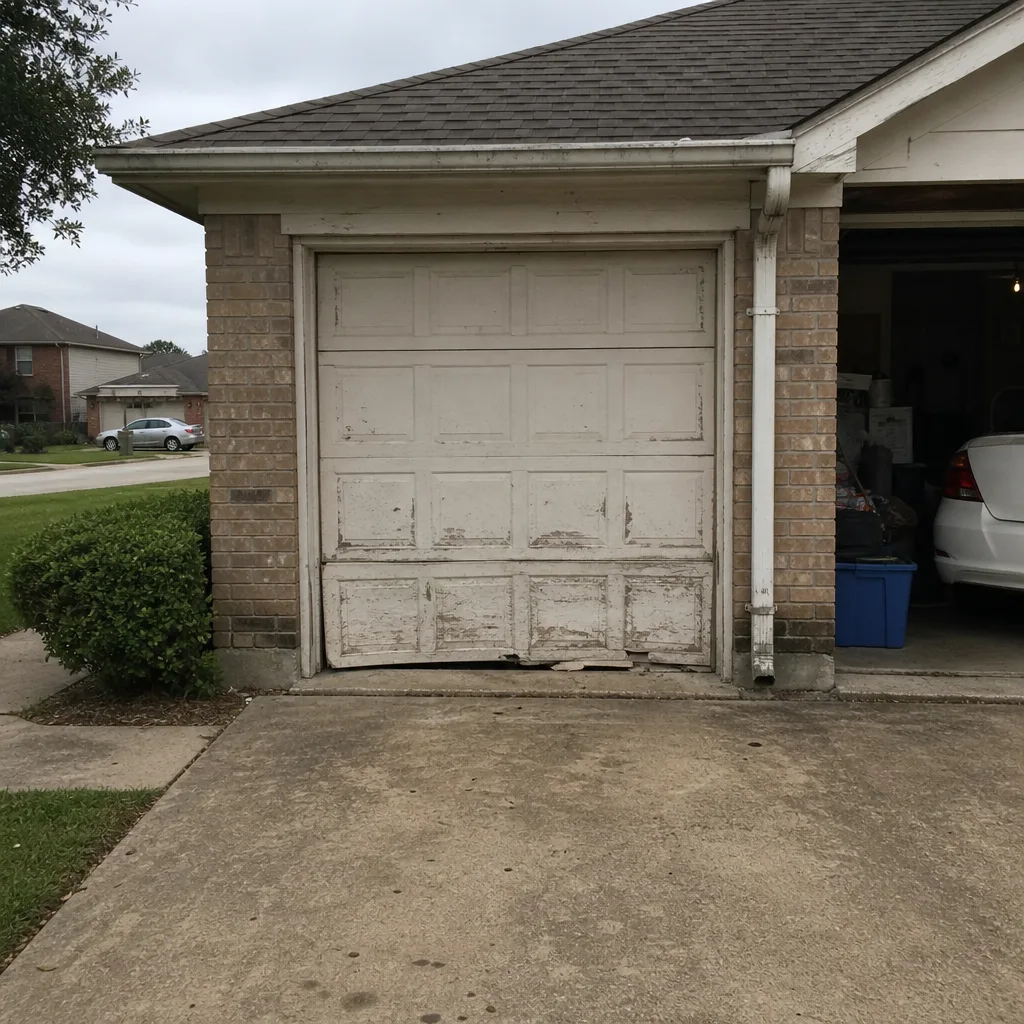
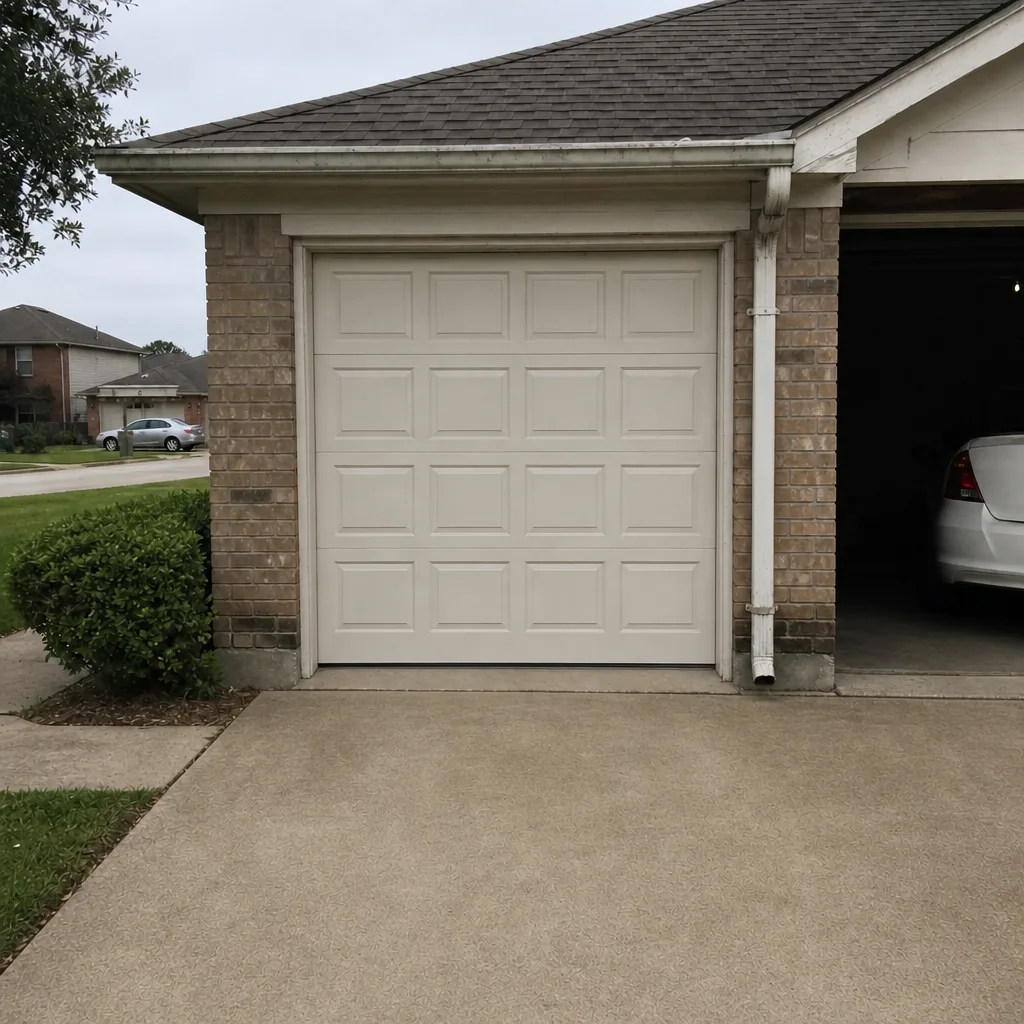
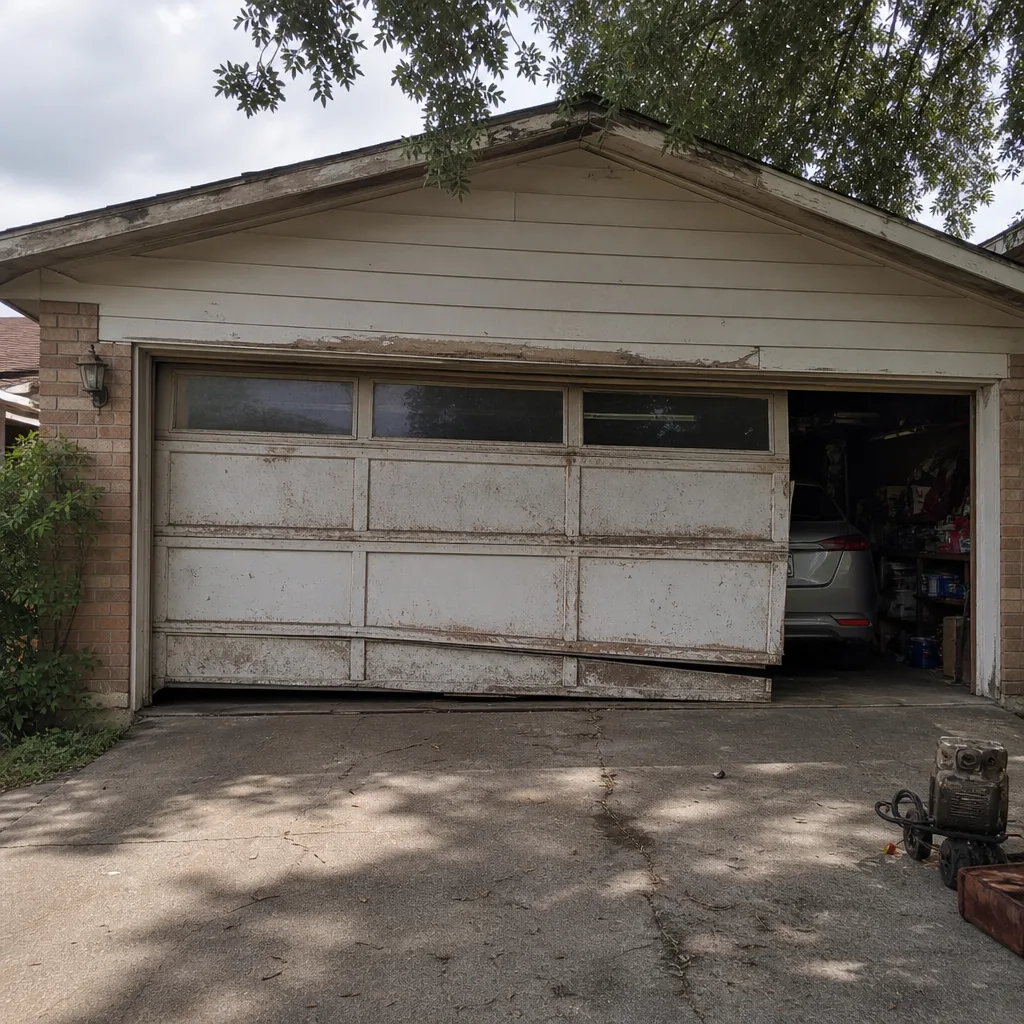
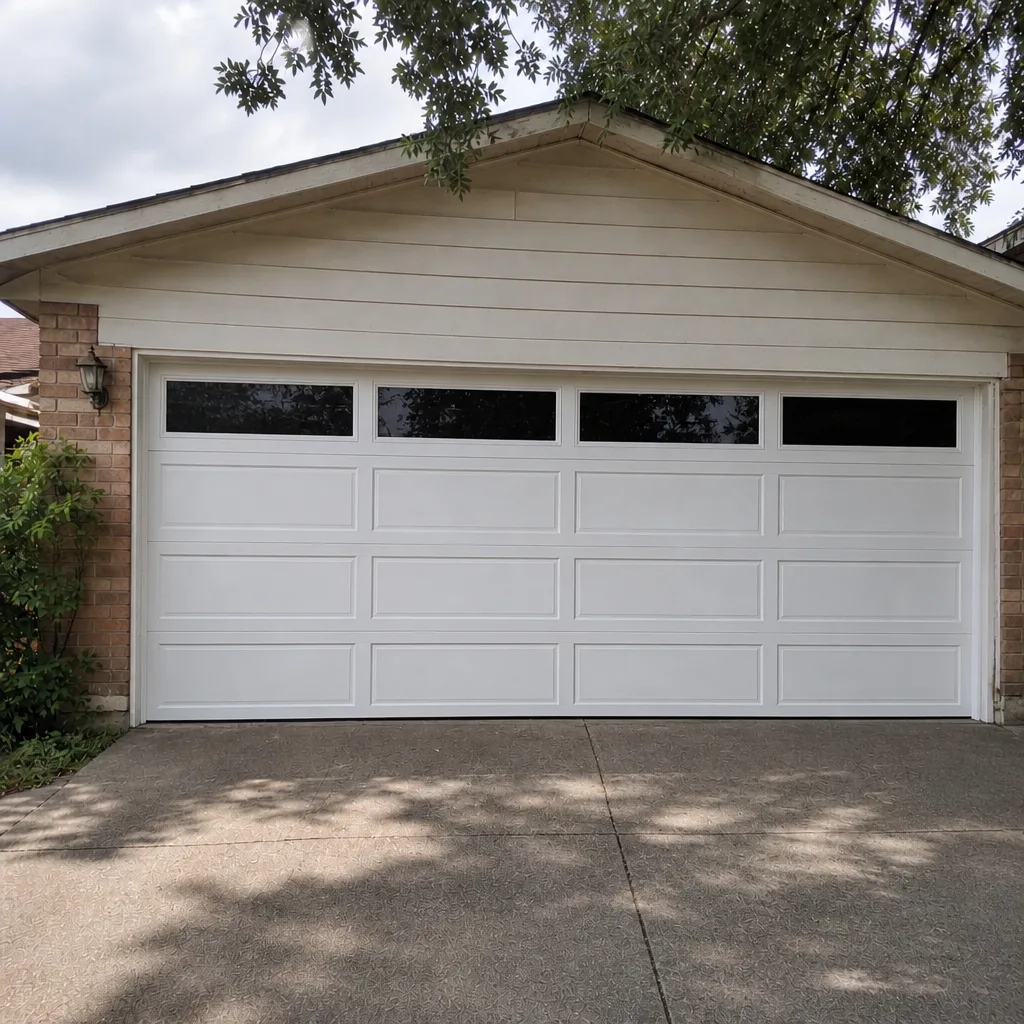
See the difference
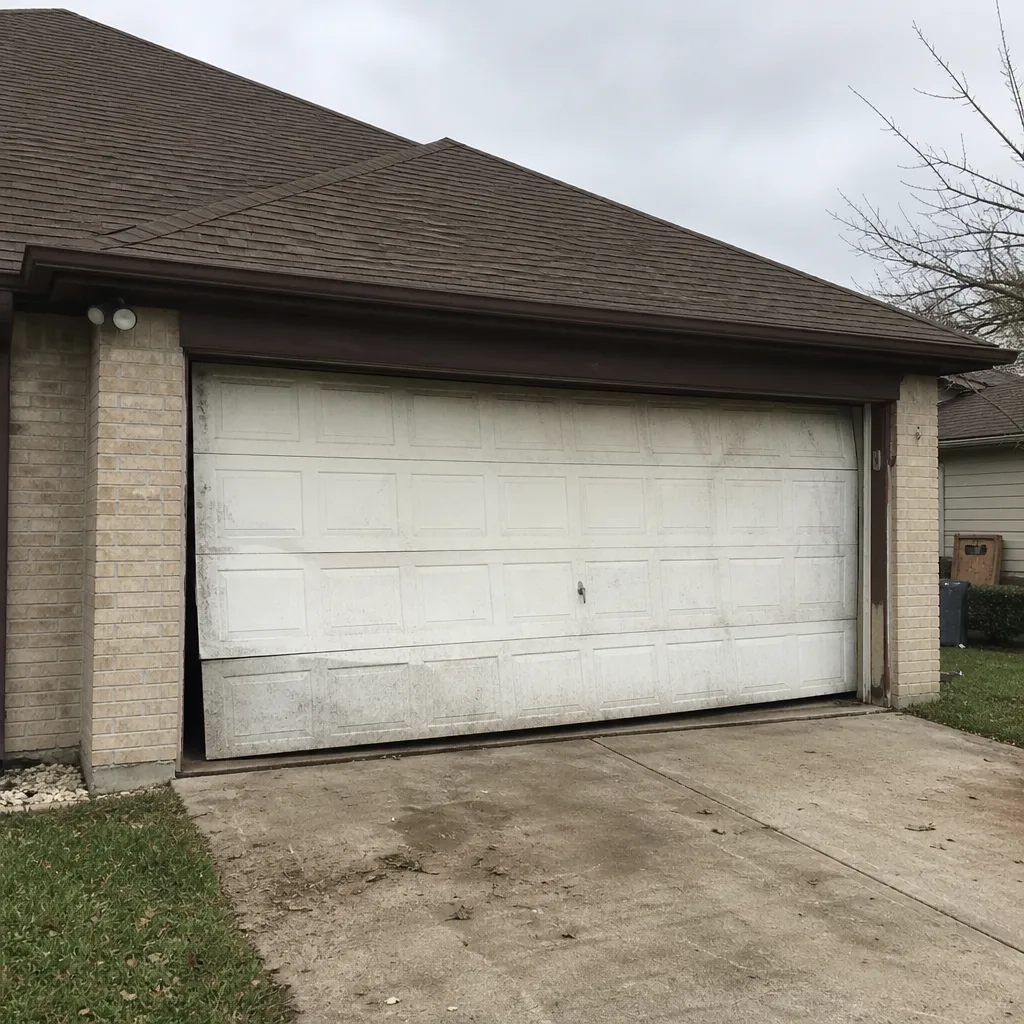 Before
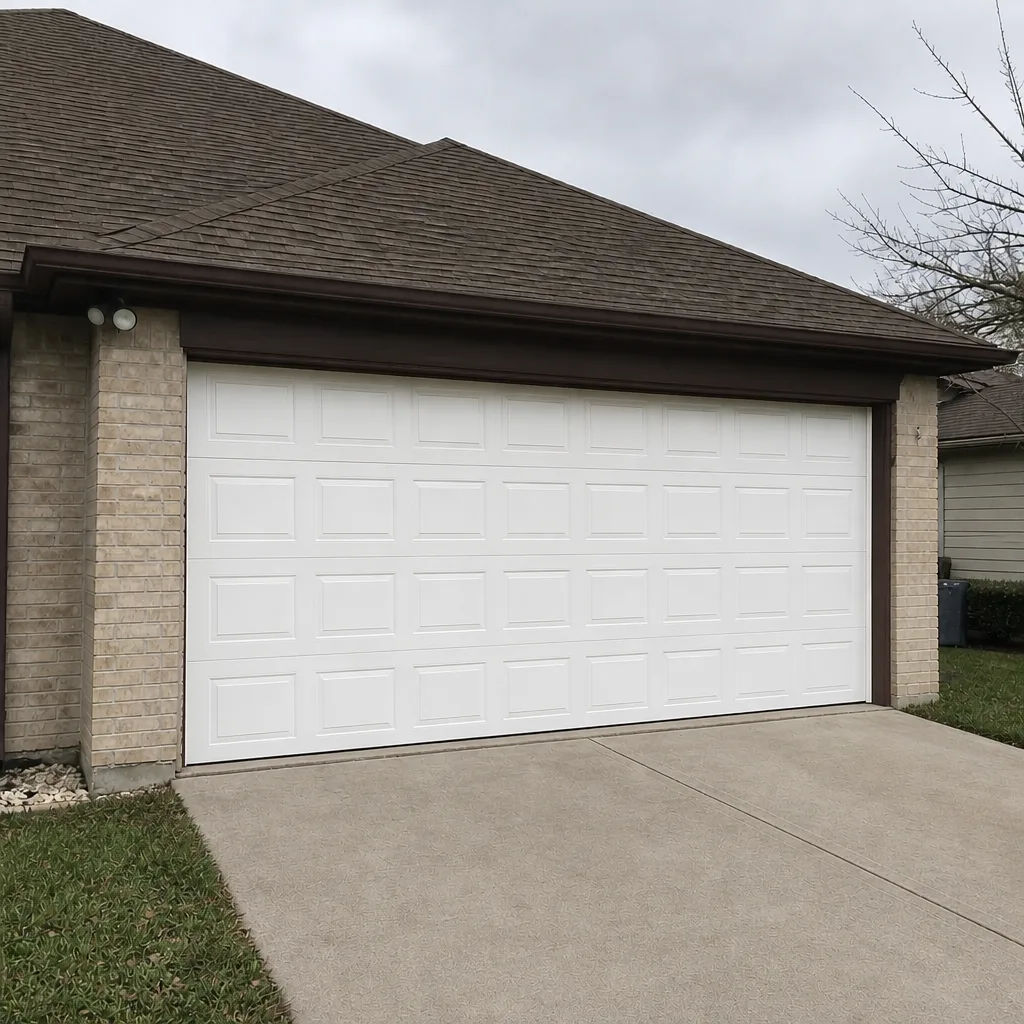 After
 Before
 After
 Before
 After