Last updated November 21, 2026
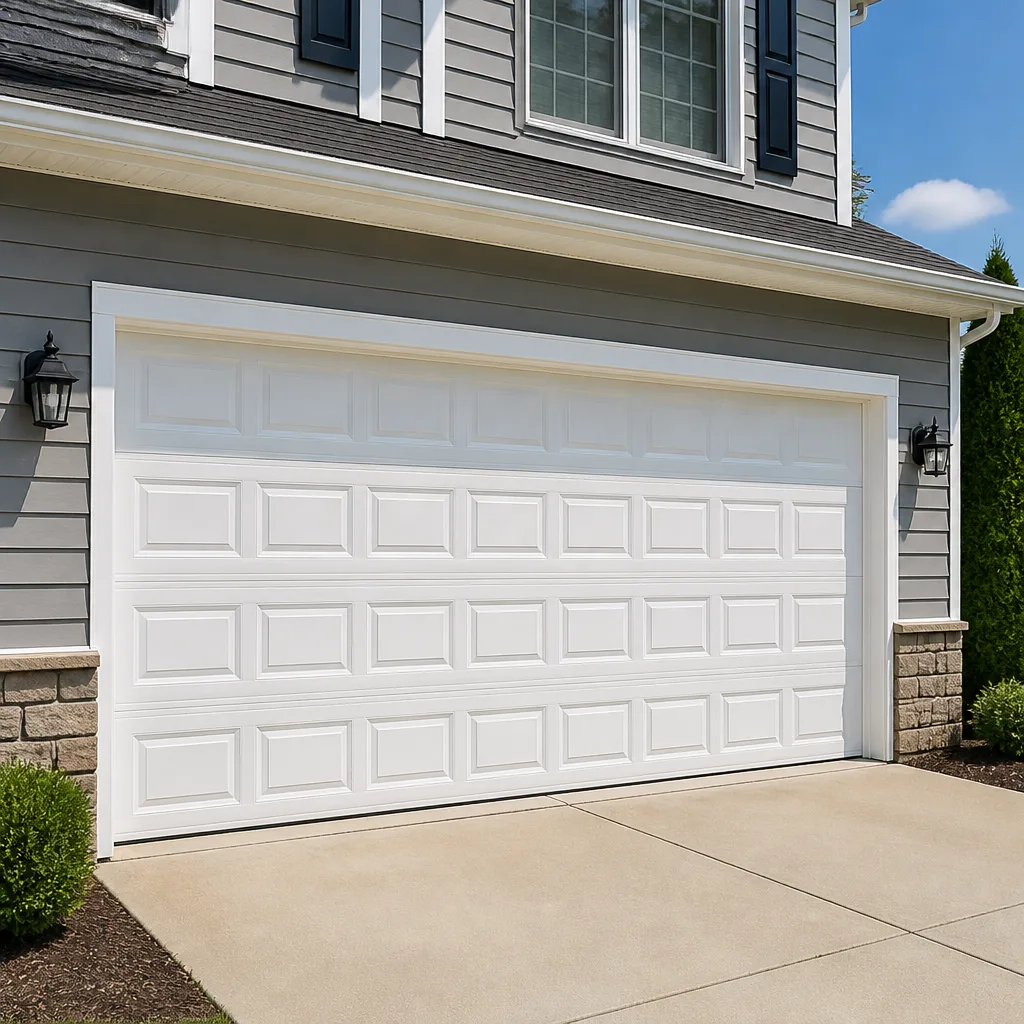 Raised-panel steel
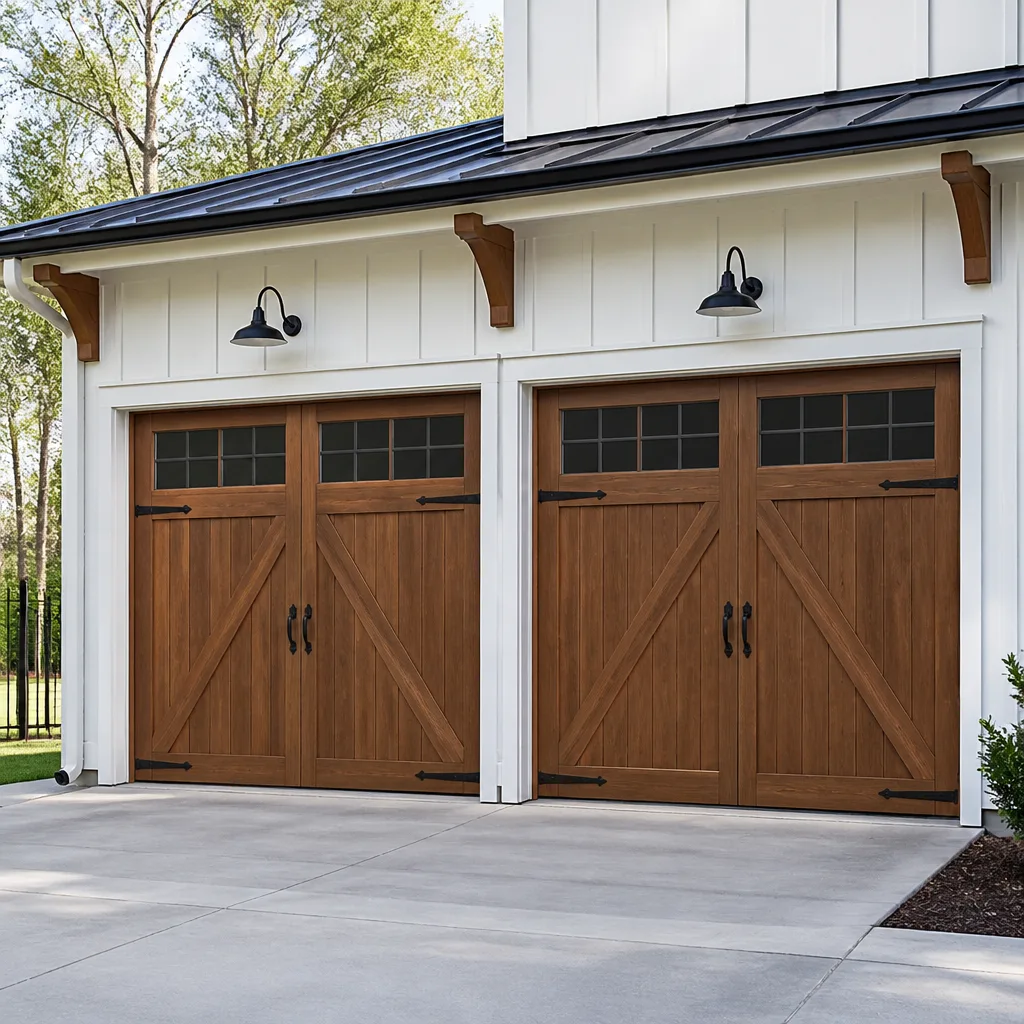 Carriage house
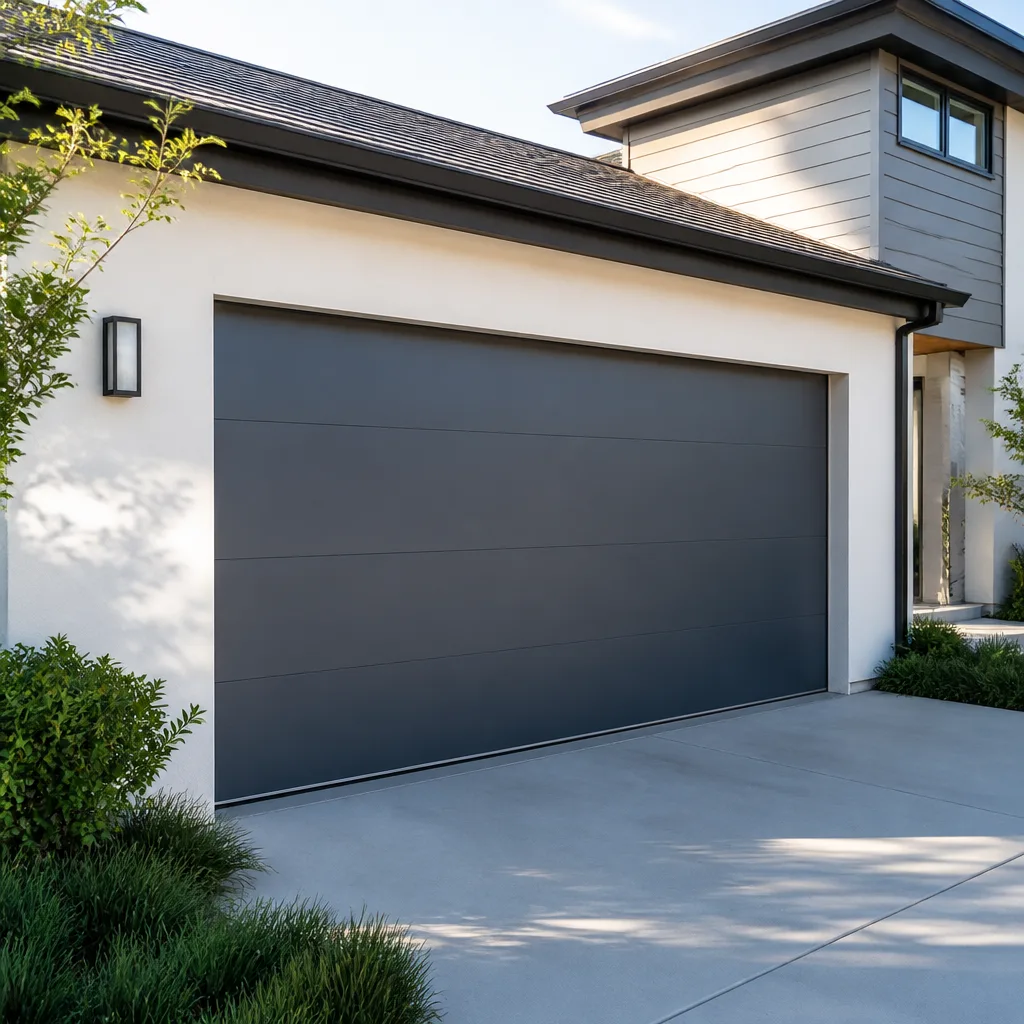 Modern flush
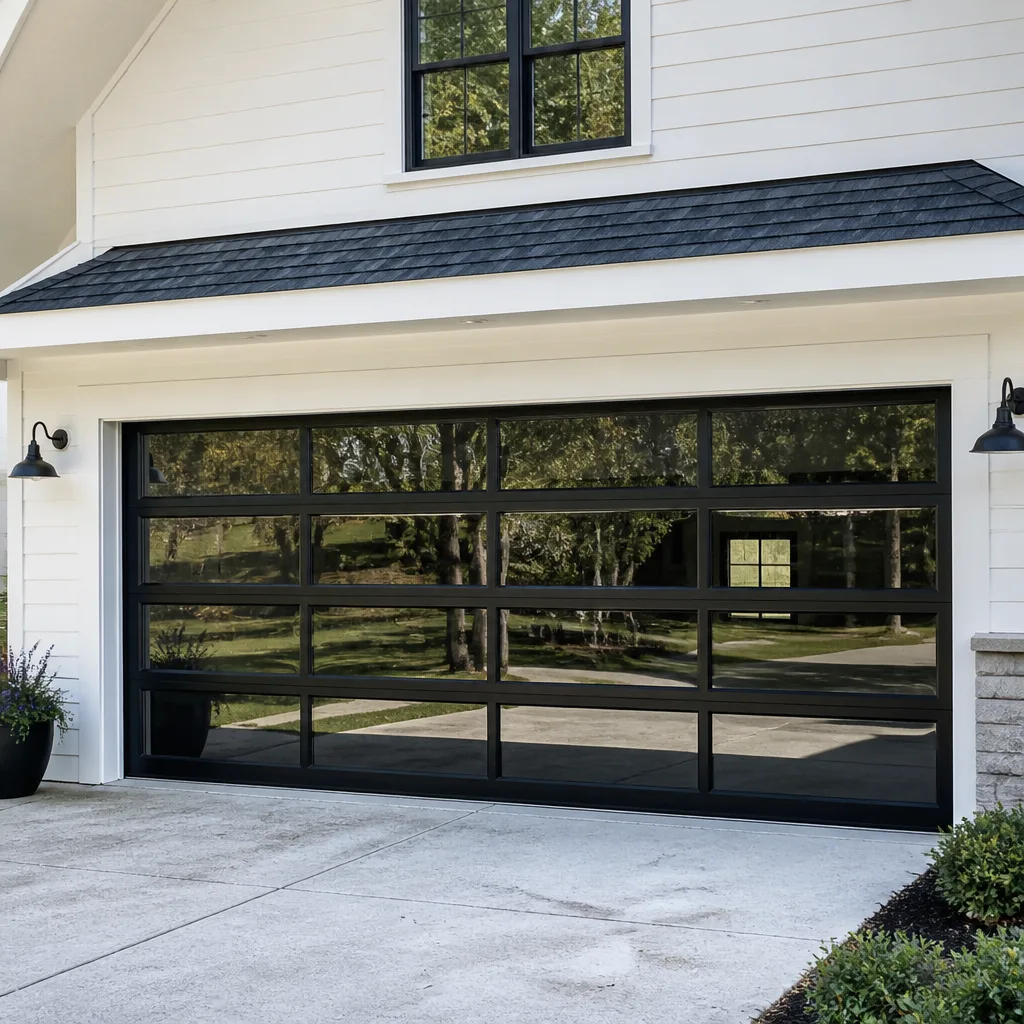 Full-view glass
 LiftMaster openers
 Chamberlain openers
Full 25-point door and opener safety check with every visit - springs, cables, rollers, tracks, and your LiftMaster or Chamberlain opener included
You get a price before we start. It does not change when the pro arrives.
Get your free estimateGarage Door Permits, Codes & Inspections in Pearland, TX: What You Need to Know
Most homeowners assume a garage door swap is like replacing a faucet – buy the part, install it, done. That assumption is where trouble starts in Pearland. A garage door is a structural, wind-rated assembly on the largest opening in your house, and certain replacements do require a building permit from the City of Pearland. When a permit is skipped, nothing bad happens at first. The problem surfaces later – at a wind damage claim, at an appraisal, or at the closing table when a buyer’s inspector flags an installation with no paper trail. This guide explains exactly when a Pearland garage door project needs a permit, which wind zone rules apply to your policy, how to check public records on a door a previous owner installed, and how HOA deed restrictions in subdivisions like Silverlake and Shadow Creek Ranch stack on top of city code.
Quick Answer
A garage door replacement in Pearland needs a building permit whenever the work changes the opening, the structural supports, or the door’s wind-load rating – a like-for-like swap of an identical-size door in the same rated category usually does not. Pearland sits in a wind-borne debris region, so your door’s design pressure rating matters for homeowner insurance compliance, and many subdivisions add their own deed restrictions on top of city code. When in doubt, call the Pearland building department before the door goes up, not after.
Styles & brands we work with
- Raised-panel steel
- Carriage house
- Modern flush
- Full-view glass
- LiftMaster openers
- Chamberlain openers
Table of Contents
- When does a garage door project need a permit in Pearland?
- Wind zone requirements and your homeowner policy
- How to look up whether a previous door installation was permitted
- The HOA overlay: Silverlake, Shadow Creek Ranch and deed restrictions
- What happens at a home inspection if the work was unpermitted
- How to fix an unpermitted garage door before closing
- A step-by-step permit and inspection walkthrough
- Code details that trip up Pearland homeowners
When does a garage door project need a permit in Pearland?
The short answer: a structural change needs a permit, a straight replacement often doesn’t. Pearland’s building department draws the line at whether the work alters the opening, the framing, the header, or the wind-resistance rating of the assembly. If you’re swapping a standard door for a wider one, adding reinforcement, or changing to a door with a different design pressure rating, expect to pull a permit. If you’re replacing an existing door with the identical size and model class in the same rated category, the project is usually treated as a like-for-like replacement that does not need a building permit.
Here’s how to tell which bucket your project falls into:
- Likely needs a permit: widening or heightening the opening, replacing or cutting into the header, changing the track system to a high-lift or low-headroom configuration that alters the structure, or installing a door with a different wind-load rating than what’s on record.
- Usually doesn’t need a permit: replacing the door panels and hardware with the same size door in the same rated class, replacing an opener, or repairing springs, cables, rollers or hinges.
- Always worth a call: anything that touches framing, electrical for a new opener, or the door’s rated wind resistance.
Because Pearland’s requirements can shift with code adoption cycles, we don’t quote chapter and verse from memory. The reliable move is to call the City of Pearland building department with your address, the door’s size, and the model’s design pressure rating. They’ll tell you yes or no in a two-minute conversation. That one call is the difference between a clean file and a problem you inherit five years later.
If you’d rather not navigate the permit question alone, the local pro we connect you with can walk through it before any door is ordered. Our garage door repair specialists do this every week in Pearland.
Wind zone requirements and your homeowner policy
Pearland falls within a wind-borne debris region, and that single fact drives most of the permit and documentation questions we hear. Texas windstorm and homeowner policies care about the design pressure rating of your garage door – the number that tells an insurer how much wind load the assembly can handle without failing. When you replace a door with one rated lower than what the original plans specified, you’ve created a gap in coverage that may not surface until you file a claim.
What you need to know about ratings and your policy:
- Design pressure (DP) ratings: Doors are rated in increments, and your original construction documents or the permit file usually state the required rating for your home. A replacement should meet or exceed it.
- Wind-borne debris region: This is the geographic designation that triggers the tougher requirements. Pearland is inside it, so a builder-grade door with no documented rating is a weak link.
- Impact-rated doors: For homes in higher-exposure positions or with specific policy conditions, an impact-rated door may be required. The door’s label or manufacturer documentation is what your insurer will ask for.
- Documentation matters more than the door: A perfectly good door with no rating label and no permit record is a headache at claim time. Keep the spec sheet and the permit number together.
We’ve seen policies where the underwriter asks for proof of a compliant door years after installation. If you’ve replaced a door and didn’t keep the documentation, that’s a hole worth patching now rather than after a storm. The brands we work on – LiftMaster, Chamberlain, Clopay, Amarr and others in the eight-brand lineup our technicians handle – all publish the rating documentation you need. Ask the contractor for the spec sheet at the same time as the estimate. Our technicians have up to 11 years of experience reading those labels and matching them to what a policy actually requires.
How to look up whether a previous door installation was permitted
If you bought a Pearland home and don’t know whether the garage door was ever permitted, you can find out. The City of Pearland maintains a public records portal where permit history is searchable by address. It’s not always obvious how to use it, so here’s the process in plain steps.
- Gather your address and legal description. You’ll find the legal description on your property tax statement or your closing documents.
- Open the City of Pearland’s online permit portal. Search by property address first; if that returns nothing, try the legal description or parcel number.
- Look for permits related to the garage. Search terms like “garage door,” “overhead door,” and the year of any known replacement will narrow the results. Older records may be scanned images rather than searchable text.
- Check for final inspection status. A permit that was pulled but never finaled is a red flag – the work may be incomplete or unverified.
- If nothing shows up, call the building department. Records from before the portal’s digitization may only exist in paper files. A phone call can confirm whether a permit was ever issued.
- Save what you find. Download or print the permit record and any inspection sign-off. That paperwork is your defense at a home sale or insurance claim.
The portal search takes ten minutes when records are clean and longer when they’re not. Do it before you list your house, not during the option period. If your search comes up empty on a door you know was replaced, that’s exactly the scenario this guide is about.
The HOA overlay: Silverlake, Shadow Creek Ranch and deed restrictions
City code is only half the rulebook in Pearland. Many subdivisions – Silverlake and Shadow Creek Ranch are the two homeowners ask about most – carry deed restrictions that govern garage door materials, colors and panel styles independently of anything the city requires. A door that passes city inspection can still violate your HOA’s architectural standards, and the HOA’s remedy is a violation letter, not a permit.
What deed restrictions typically control:
- Color and finish: Specific palettes or a prohibition on certain finishes. Painting a permitted door the wrong color can still trigger a violation.
- Material: Some subdivisions specify steel versus wood-look materials, or prohibit certain window inserts.
- Panel style: Raised-panel versus carriage-house profiles are sometimes spelled out in the architectural guidelines.
- Window treatments: Whether glass or acrylic inserts are allowed, and in what configuration.
- Approval process: Most HOAs require an architectural review application before installation, with a decision window that adds lead time to your project.
The sequence that saves trouble: get HOA architectural approval first, then order the door, then pull any city permit. If you reverse it, you can end up with a door in your garage that the HOA won’t let you install. In our experience, the architectural review is usually the longest wait in a Pearland door project, which is why installation scheduling is measured rather than same-day. Request your HOA’s guidelines in writing before you sign a contract. The written estimate from a contractor should match the approved spec exactly.
What happens at a home inspection if the work was unpermitted
A home inspector won’t pull your permit history. What they will do is look at the door, the hardware and the openings, and note anything that doesn’t look right – missing labels, mismatched hardware, a door that doesn’t sit square in the opening, or a spring and track setup that doesn’t match the door’s weight. From there, the buyer’s agent often asks for permit documentation, and that’s when an unpermitted installation surfaces.
What typically follows:
- The buyer requests proof of permit. If you can’t produce it, the request becomes a repair credit or a condition of closing.
- The appraiser flags it. An unpermitted structural change on the largest opening in the house can affect the appraisal report, especially when the door’s wind rating is undocumented.
- The title company gets involved. Some underwriters require that open permits be closed before a policy is issued.
- Your insurer may ask. At claim time, a door replacement with no record can complicate a wind damage claim, because the insurer has no documented baseline for the assembly.
None of this is fatal. It’s paperwork. But it’s paperwork that costs time and negotiating leverage at the worst possible moment. The cleanest fix is to address the record before you list – the same way you’d fix a broken spring before a showing. If you’re already in a transaction, our garage door spring repair team can assess the door’s condition and hardware while you sort out the documentation side.
How to fix an unpermitted garage door before closing
Remediation is more straightforward than most homeowners expect. You’re not demolishing anything. You’re establishing a paper trail that matches what’s physically on the door. Here’s the order that works.
- Identify the door. Find the manufacturer and model. Labels are usually on the inside face of the bottom panel or the end stile. Brands like Craftsman, Raynor and Clopay all mark their doors, and the model number tells you the design pressure rating.
- Call the City of Pearland building department. Explain the situation: an existing door replacement with no permit on record, and you want to know the path to compliance. They’ll tell you whether a retroactive permit, an inspection, or a simple documentation letter is the right route.
- Pull the retroactive permit if required. This usually involves submitting the door’s spec sheet and a site plan, then scheduling an inspection.
- Have the installation inspected. The inspector verifies the door meets the rated spec, the tracks and hardware are correctly attached, and the opening is sound.
- Close the permit and keep the record. Once finaled, download the inspection sign-off and store it with your closing documents. That’s the paper trail your insurer and buyer will want.
If the door on the house doesn’t meet the required rating, remediation may mean replacing it with a compliant model. That’s a real cost, but it’s a smaller problem than an uninsurable opening. A free estimate from a Pearland specialist will tell you which path you’re on before you commit to either. Our garage door opener repair team also checks the opener’s safety features during any compliance visit, since an opener that fails a reversal test is its own inspection finding.
A step-by-step permit and inspection walkthrough
If you’re planning a replacement that does need a permit, here’s the sequence from first call to final inspection. This is the order that keeps a Pearland project moving.
- Confirm the requirement. Call the City of Pearland building department with your address and the door spec. Get the answer in writing if you can.
- Check HOA rules. Pull your subdivision’s architectural guidelines and submit the review application if one is required. Silverlake and Shadow Creek Ranch homeowners should do this in parallel with step one, not after.
- Get a written estimate. The quote should state the door model, its design pressure rating, and whether permit handling is included. The price you agree to before work starts is the price.
- Order the door and schedule. Installation work is measured and scheduled, not same-day. Lead time depends on the model and the HOA review window.
- Pull the permit. Either the installing contractor or you pulls it, depending on the arrangement. Confirm who’s responsible in the contract.
- Install. The door goes in, the tracks and hardware are set, and the opener is programmed and safety-tested.
- Schedule the inspection. The city inspector verifies the installation against the permitted spec.
- File the paperwork. Keep the permit number, final inspection sign-off and door spec sheet with your home records.
That’s the whole loop. It’s not complicated, but every step has a failure mode if it’s skipped. For a broader look at what our Pearland team handles, see Pearland Garage Door Repair Co.
Code details that trip up Pearland homeowners
The code questions we hear most in Pearland aren’t about obscure sections – they’re about the practical details that decide whether a project sails through or stalls. Here are the ones that come up again and again.
- Like-for-like isn’t a loophole. It means the same size, same rated class, same configuration. A “same size” door with a lower rating is not like-for-like, and an inspector will catch it.
- Openers need safety features. A new opener installation involves electrical work and a safety reversal system. That’s a code compliance point, not an optional feature.
- Springs and cables are repairs, not permits. Replacing a torsion spring, a cable or a set of rollers doesn’t require a permit, but it does require a trained technician. Springs are under extreme tension, and a DIY attempt is the single most dangerous thing a homeowner can try on a garage door. Leave it to a professional.
- High-lift and low-headroom conversions change the structure. These alter how the door travels and how the tracks attach, so they usually fall on the permit side of the line.
- Electrical for a new opener may need its own permit. If a new circuit is run to the opener, ask the building department whether a separate electrical permit is required.
- Documentation is the point. A permit’s real value is the record it creates. Keep every piece of it.
Pearland’s mild winters mean the door isn’t fighting freeze-thaw stress, but the heat and humidity of a Gulf-region summer work on seals, lubricants and opener electronics. A door that’s mechanically sound and code-compliant still needs periodic adjustment, and our technicians – with up to 11 years of experience across LiftMaster, Chamberlain, Genie and the other brands we service – know the failure points that show up in this climate.
Common Mistakes to Avoid
- Assuming a replacement never needs a permit. Like-for-like swaps often don’t, but any change to the opening, header or rated wind class usually does. Confirm before the door is ordered, not after it’s installed.
- Replacing a door without matching the design pressure rating. A lower-rated door leaves a coverage gap that surfaces at claim time. Match or exceed the original spec, and keep the label.
- Skipping the HOA architectural review. In Silverlake, Shadow Creek Ranch and similar Pearland subdivisions, city approval and deed-restriction approval are two separate processes. Get both before installation.
- Losing the permit and spec sheet. The paperwork is the whole point. Store the permit number, final inspection sign-off and door documentation together with your closing records.
- Hiring a generalist who doesn’t know wind-rated doors. A handyman can hang a door; documenting that it meets a rated spec for an inspection is a specialist job. Ask for the rating documentation up front.
- Attempting spring or cable work yourself. Springs are under extreme tension and can cause serious injury. This is the one part of the system that should never be a DIY project.
- Waiting until closing to check the record. Look up your permit history before you list. Remediation during an option period costs negotiating leverage you don’t need to give away.
See the difference
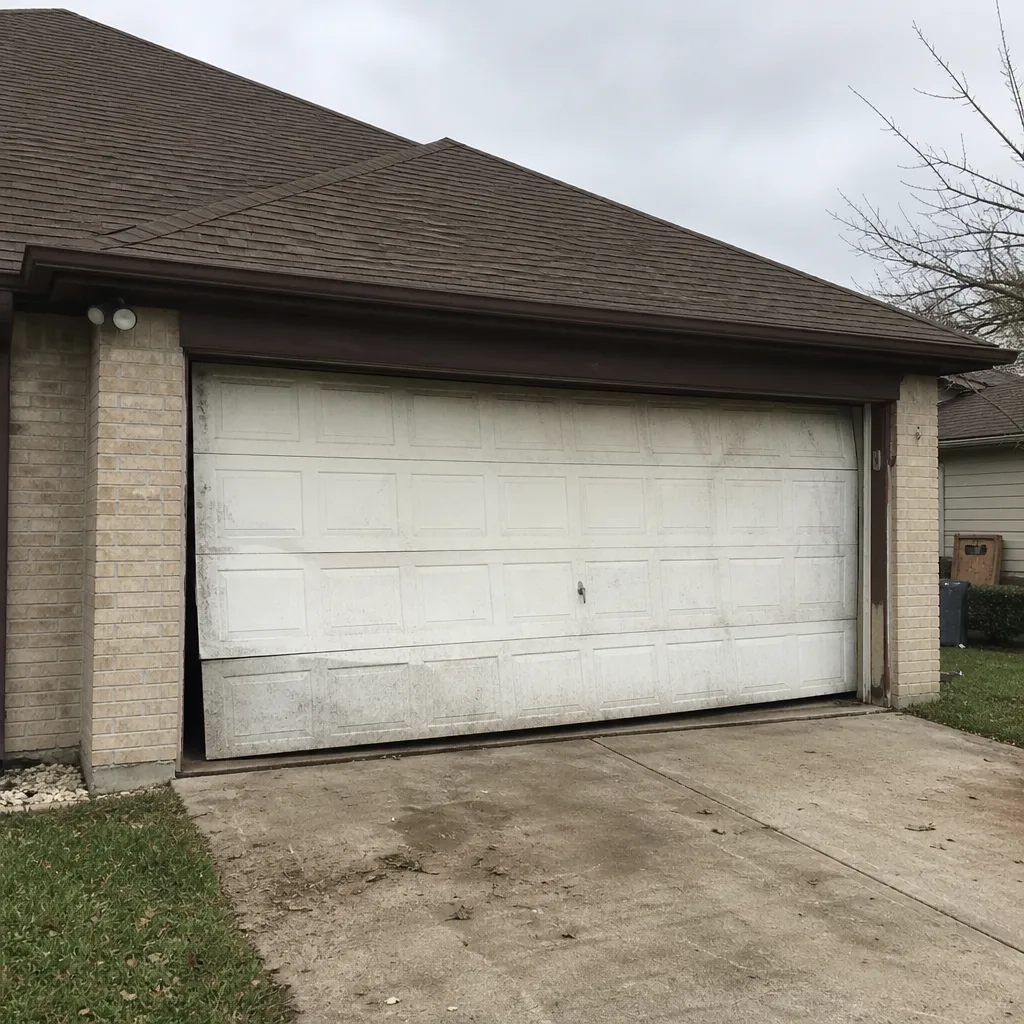 Before
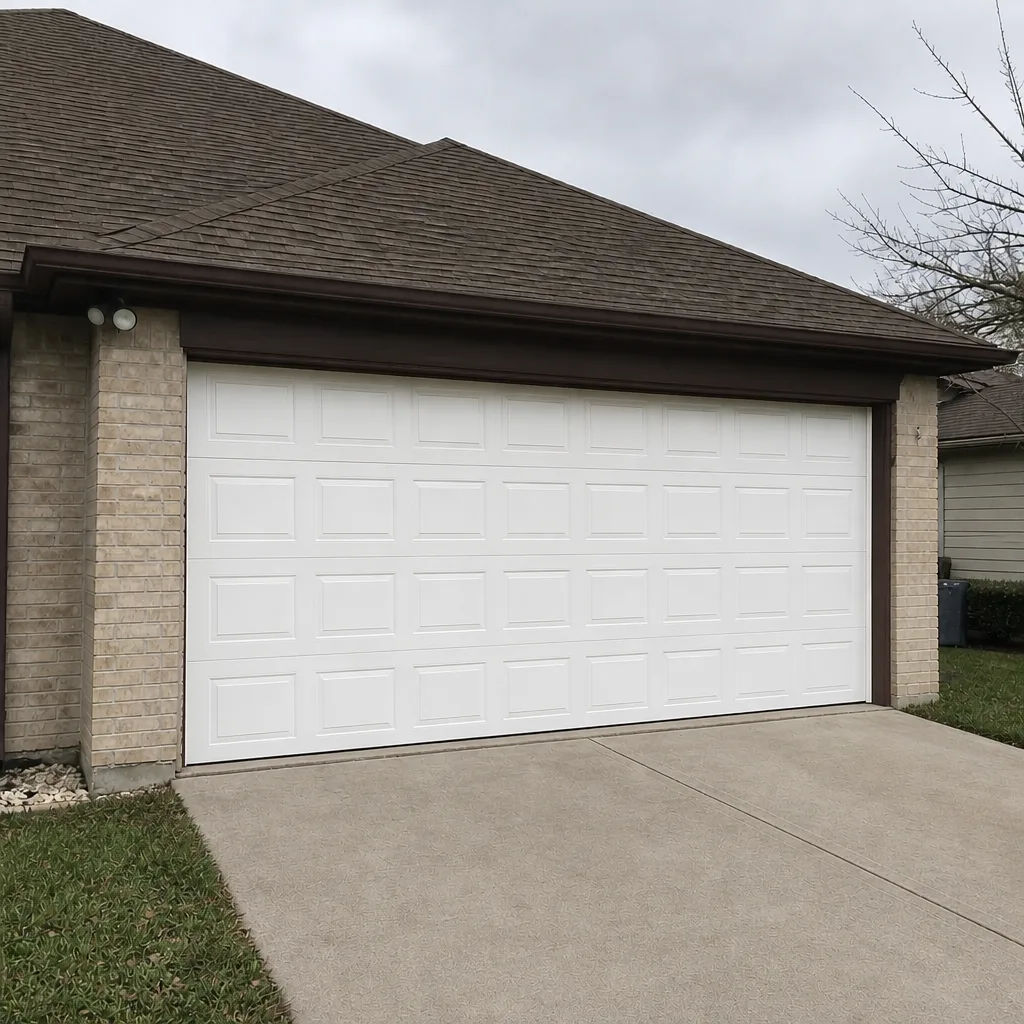 After
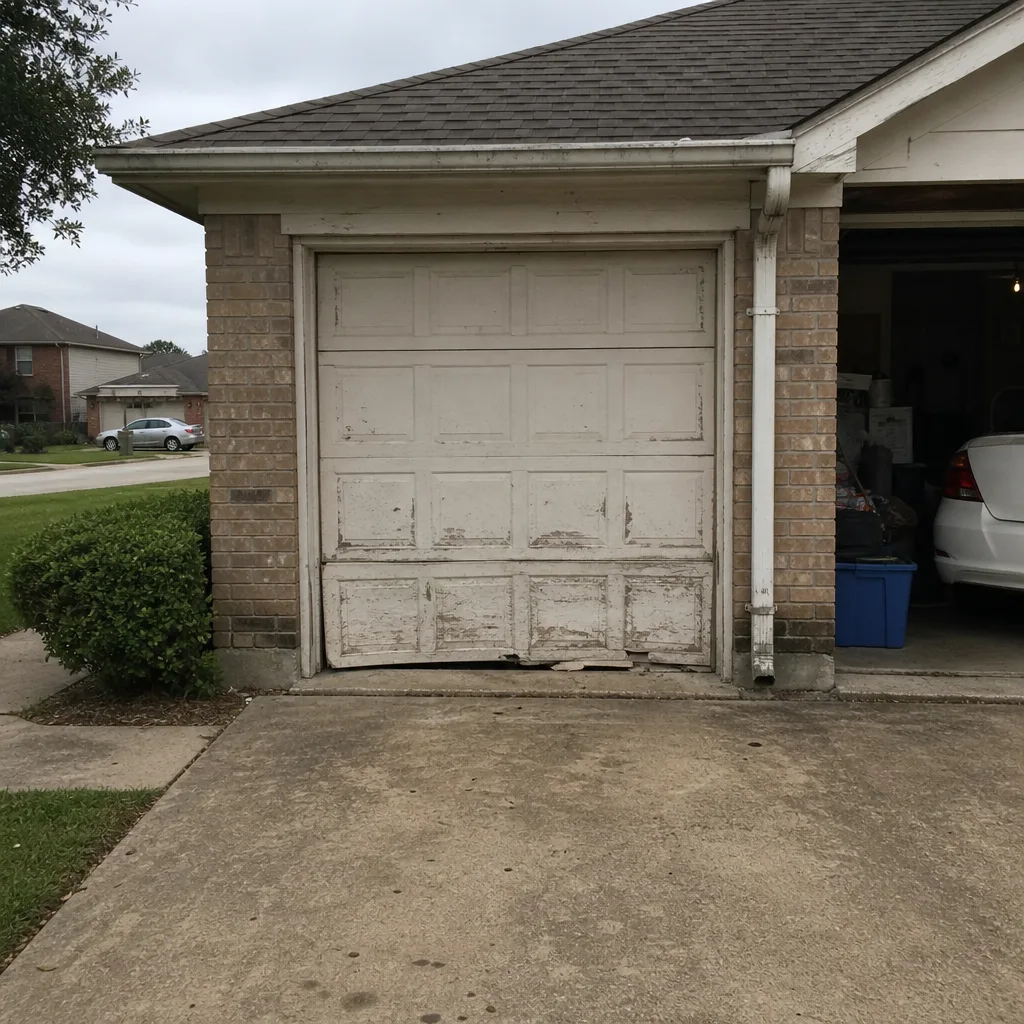 Before
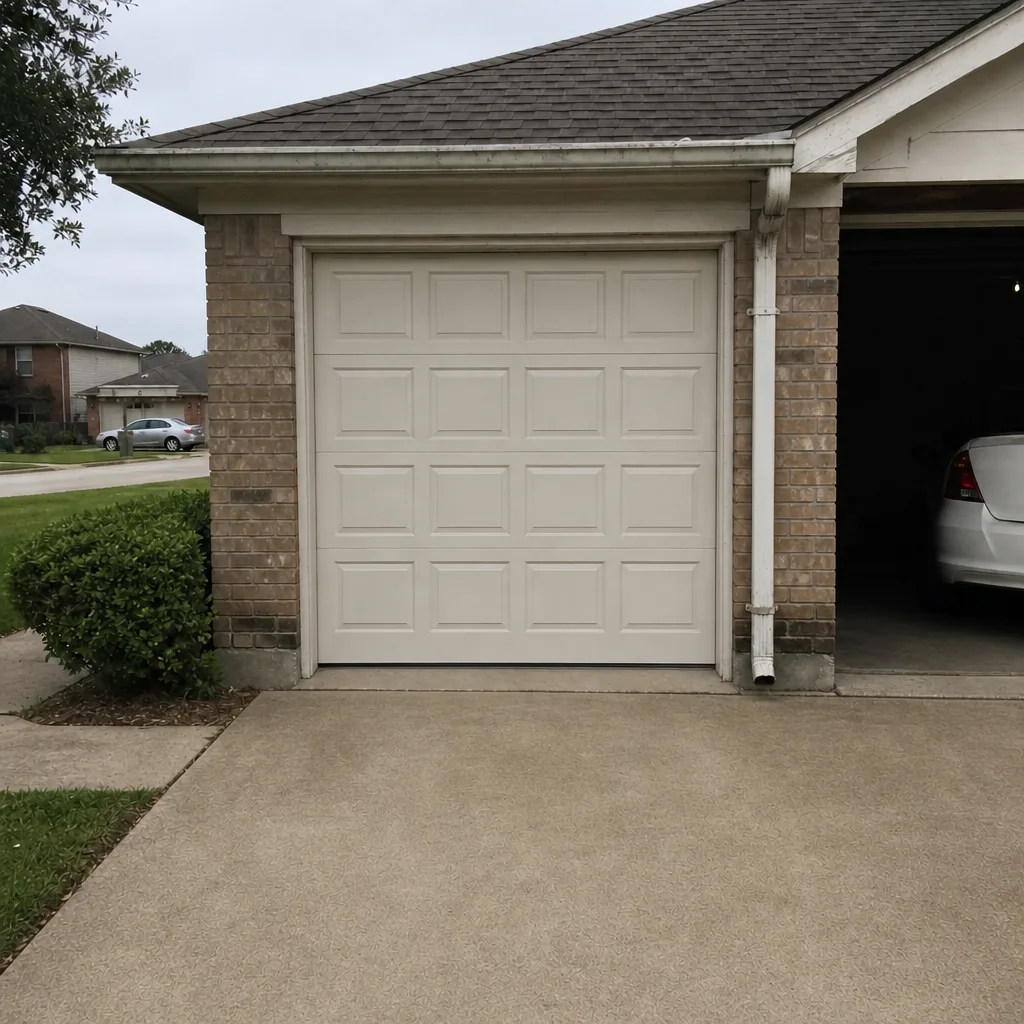 After
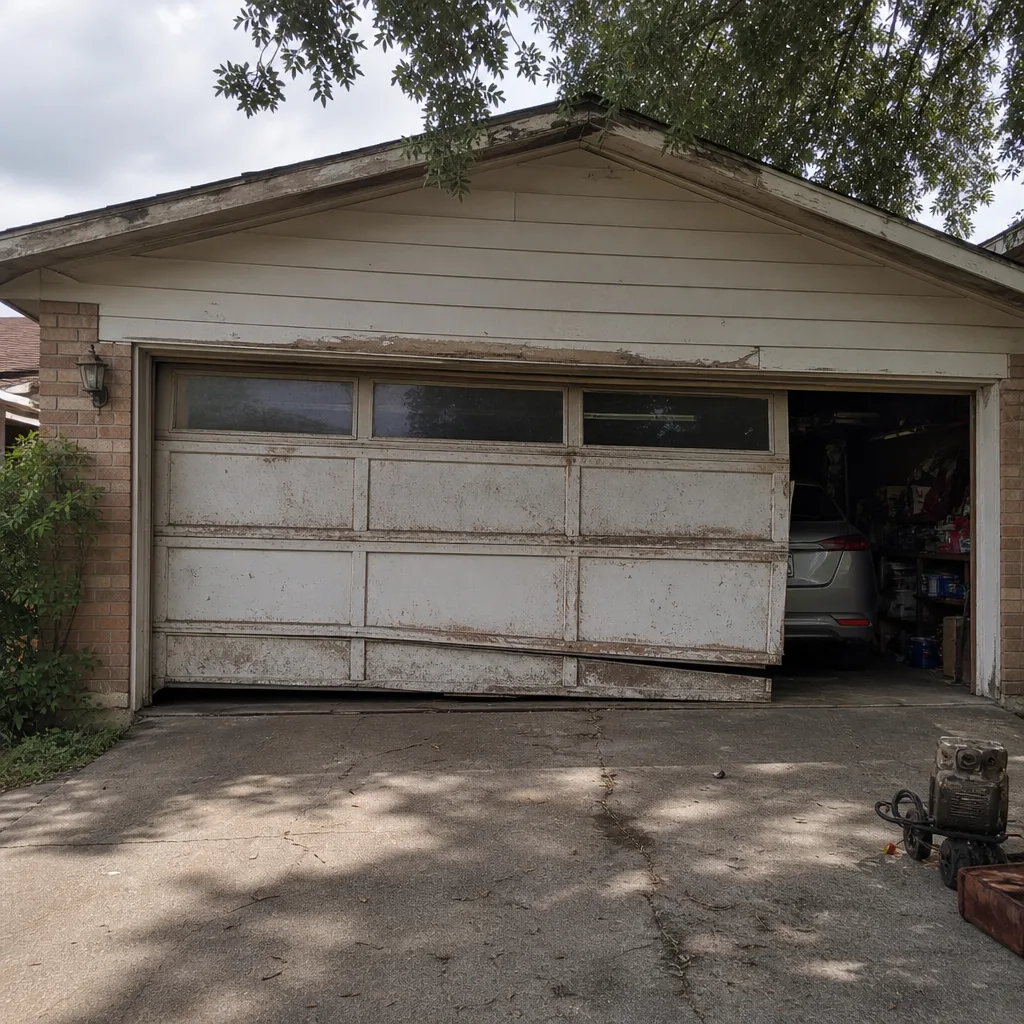 Before
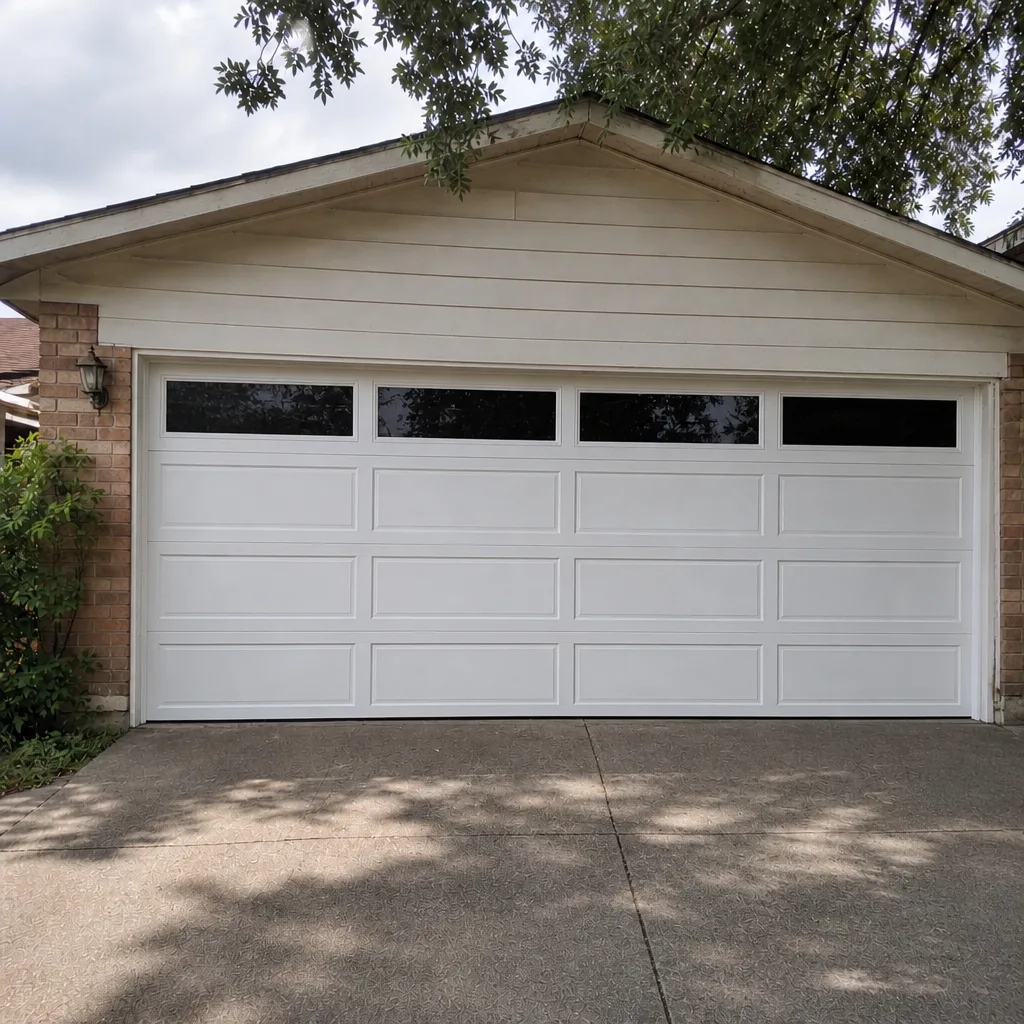 After
When to Call a Professional
Some garage door work is genuinely a callback. Anything involving high-tension springs, cables under load, the structural header, or a rated assembly that has to pass an inspection is a job for a trained technician with the right tools. If you’re facing a permit question you can’t answer, a door whose rating you can’t document, an HOA review that needs a spec sheet, or a home inspection finding that needs remediation before closing, that’s the moment to bring in a specialist. If a door fails and your home is left unsecured or your vehicle is trapped, emergency service is a real offering, not a marketing line – call and we’ll book it. Pearland Garage Door Repair Co offers free estimates in Pearland – call (855) 337-1579. The price is quoted and agreed before any work starts, so you’re never surprised by the invoice. We also handle garage door repair across the brands you already own.
Frequently Asked Questions
It depends on the scope. A like-for-like replacement of the same size door in the same wind-load class usually does not require a building permit in Pearland, but any change to the opening, the structural supports, or the door’s design pressure rating typically does. Call the City of Pearland building department with your address and door spec to confirm before you order. For a free estimate on the installation itself, call (855) 337-1579.
Pearland sits within a wind-borne debris region, which means garage doors must meet a design pressure rating appropriate to that exposure. Your original construction documents usually state the required rating, and your replacement door should meet or exceed it. Ask the contractor for the door’s rating documentation and keep it with your permit records – it’s what your insurer will request. Call (855) 337-1579 if you need help identifying your door’s rating.
Search the City of Pearland’s public permit portal by property address or legal description, then look for garage-related permits and their final inspection status. If nothing shows up, call the building department directly, because older records may only exist in paper files. Save whatever you find. A free estimate from our team can help you plan remediation if the record is missing – call (855) 337-1579.
It can. A buyer’s inspector may flag inconsistencies, the appraiser may note an undocumented structural change, and the buyer’s agent often requests permit proof. If you can’t produce it, the request usually becomes a repair credit or a closing condition. Remediating before you list is cheaper and less stressful than negotiating it mid-transaction. Call (855) 337-1579 for a free assessment.
Yes. Many Pearland subdivisions have deed restrictions that govern door materials, colors and panel styles independently of city code, and some require architectural review before installation. Get your HOA’s guidelines in writing and submit the review application before the door is ordered. If you need help matching an approved spec to a door model, call (855) 337-1579.
Usually not. Spring, cable, roller and hinge repairs are maintenance, not permitted structural work. Opener replacement may involve an electrical permit if a new circuit is run, which is worth asking the building department about. Springs are under extreme tension and should always be handled by a trained professional. For spring or opener service, call (855) 337-1579 – estimates are free.
The Bottom Line
A garage door in Pearland is a rated, structural assembly, and the permit process exists to document that it meets the wind standards your home and your policy depend on. A like-for-like swap often skips the permit; a change to the opening, the framing or the rated class usually doesn’t. Check your public record before you list your house, get HOA approval before you order a door, and keep the spec sheet and inspection sign-off with your closing documents. When the paperwork or the installation gets complicated, bring in a specialist who works on rated doors every day. Pearland Garage Door Repair Co offers free estimates in Pearland – call (855) 337-1579 and the price is set before any work begins. For opener-specific questions, see garage door opener repair.
Written by the team at Pearland Garage Door Repair Co.