Last updated November 21, 2026
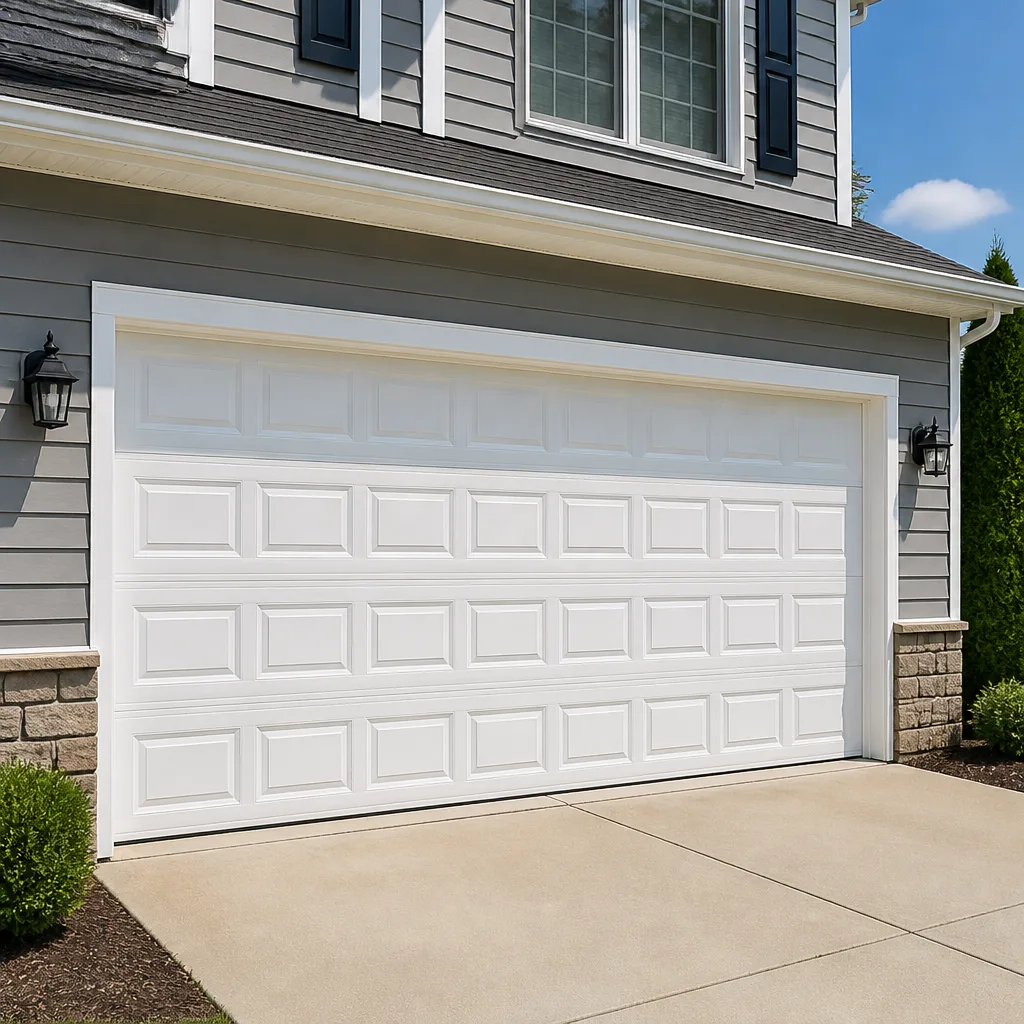 Raised-panel steel
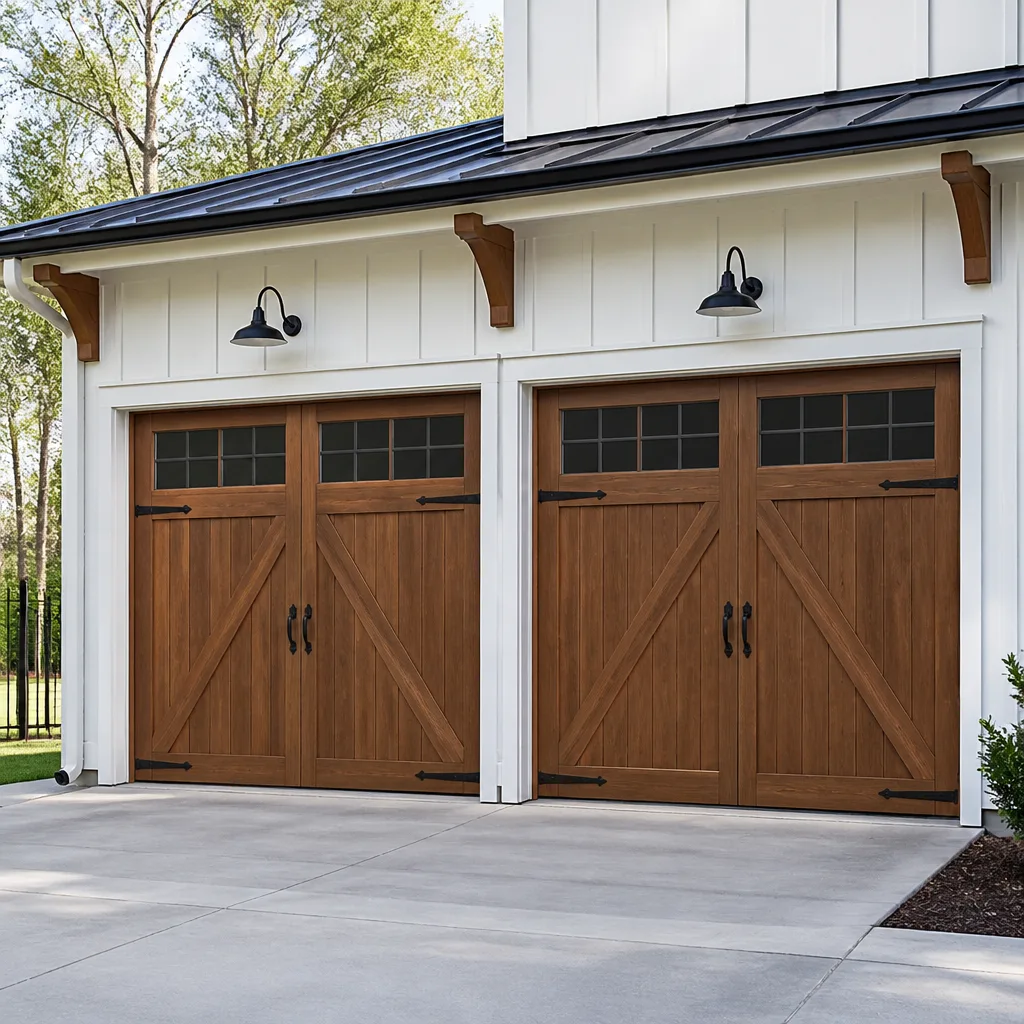 Carriage house
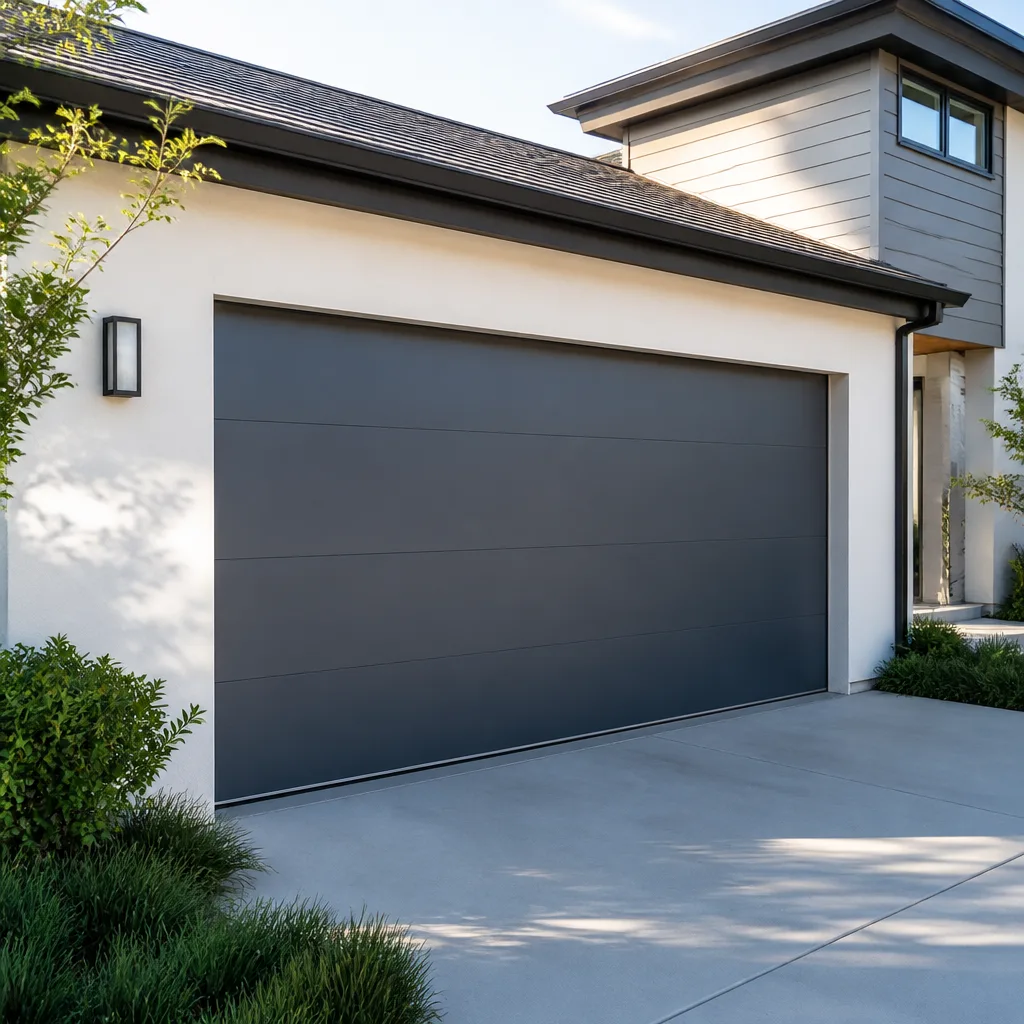 Modern flush
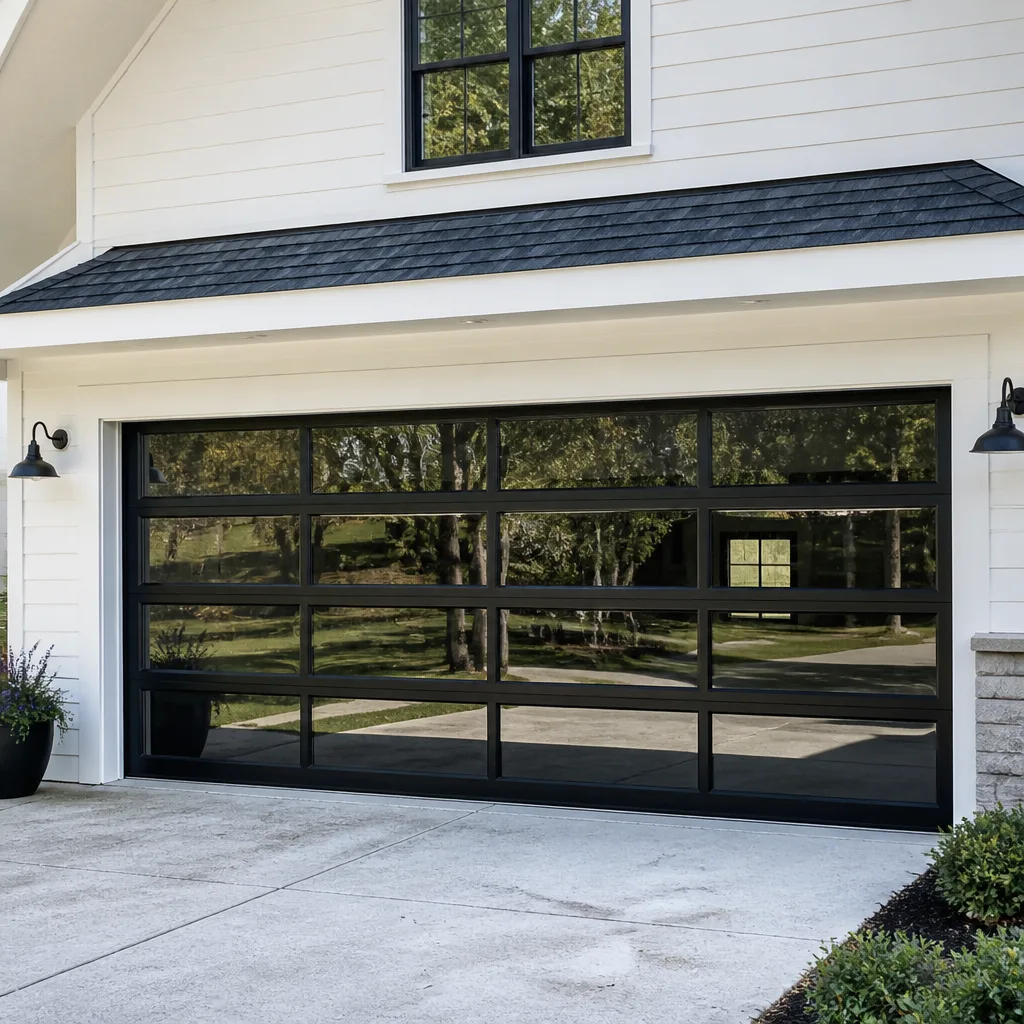 Full-view glass
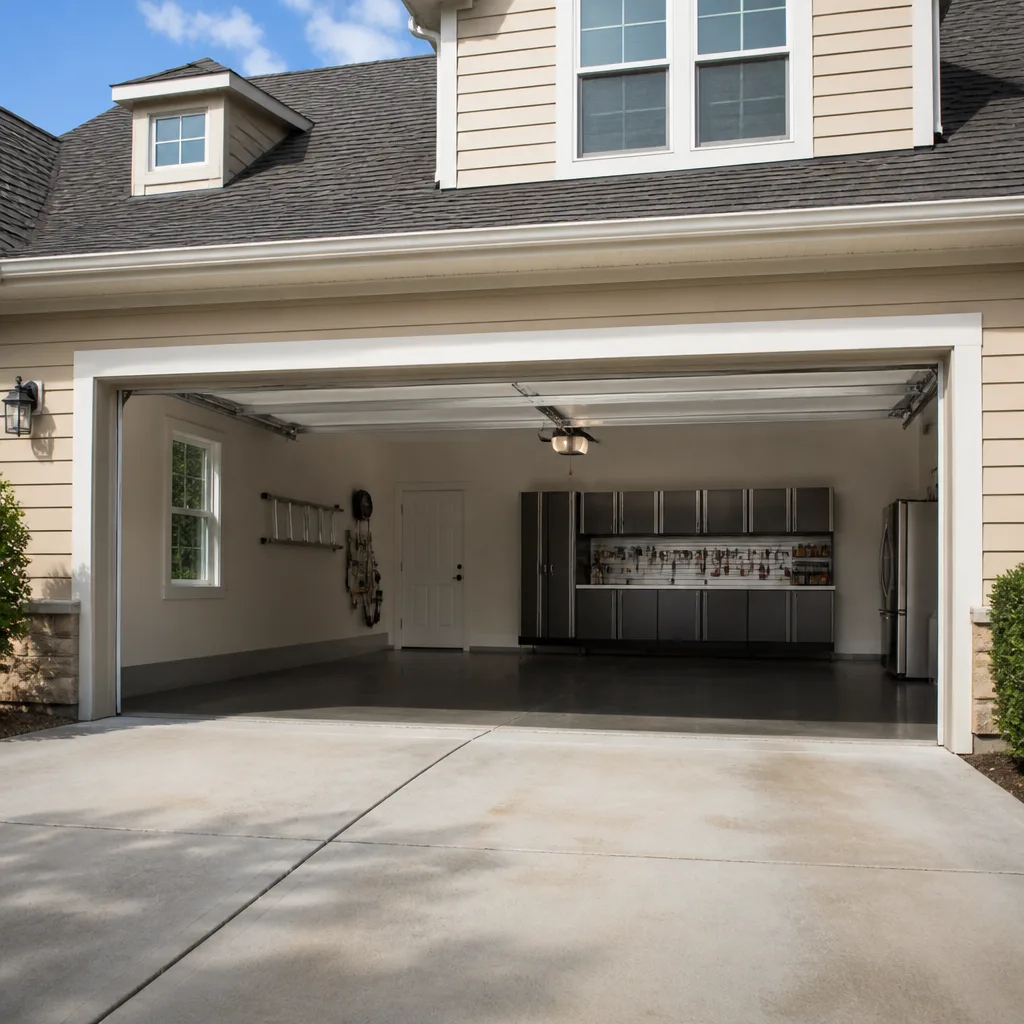 LiftMaster openers
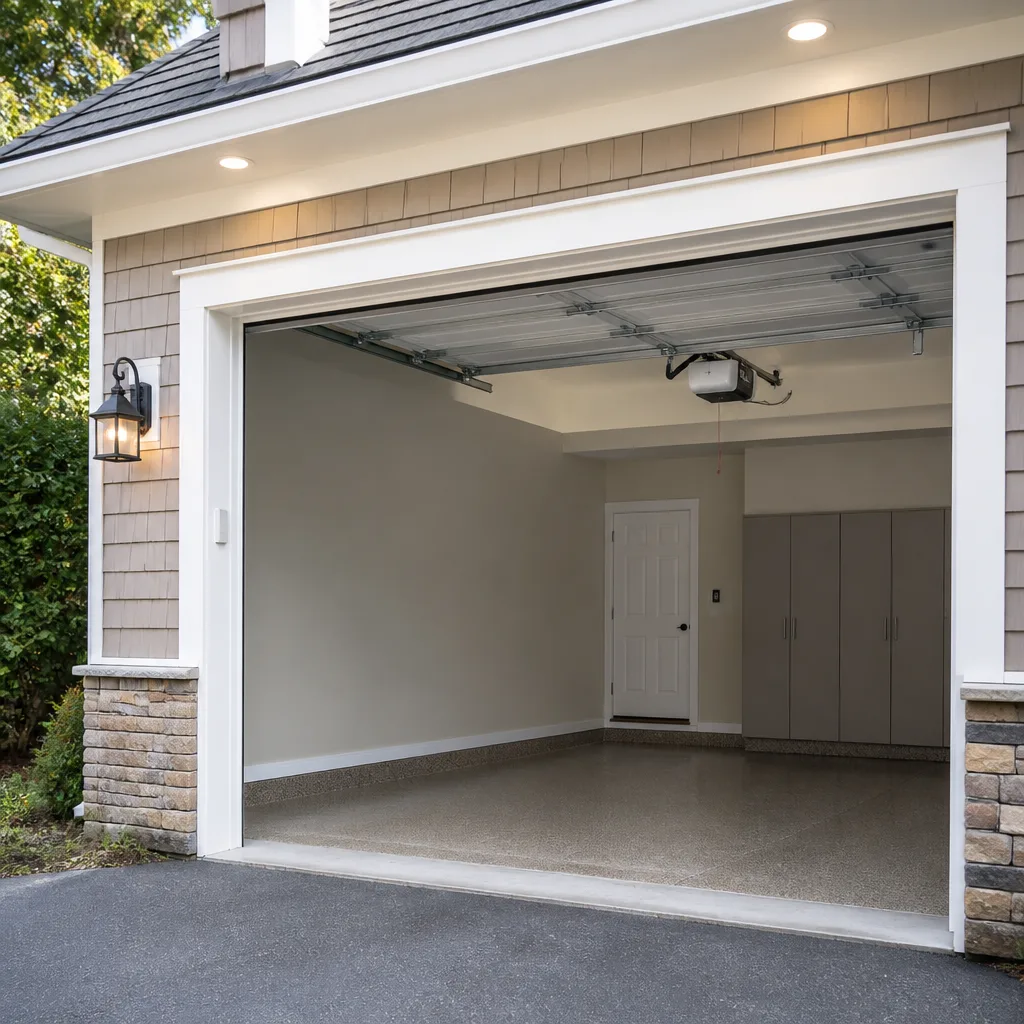 Chamberlain openers
Full 25-point door and opener safety check with every visit - springs, cables, rollers, tracks, and your LiftMaster or Chamberlain opener included
You get a price before we start. It does not change when the pro arrives.
Get your free estimateDIY vs Professional Garage Door: The Pearland Homeowner’s Decision Guide
Here’s a rule most garage door companies won’t give you: a good chunk of the work on your door is something a careful homeowner can handle. Telling you to “always call a professional” for every squeak and beep is as unhelpful as pretending a torsion spring is a weekend project. The honest split runs roughly sixty-forty. Around 60% of common garage door tasks – sensor alignment, lubrication, remote programming, weatherstrip swaps – carry little genuine risk. The other 40% involve components storing enough energy to break bones in a fraction of a second. This guide draws that line clearly for Pearland homeowners and tells you which side of it you’re on.
Styles & brands we work with
- Raised-panel steel
- Carriage house
- Modern flush
- Full-view glass
- LiftMaster openers
- Chamberlain openers
Quick Answer
Most garage door maintenance is safe to DIY, but torsion spring replacement, cable replacement, and track work under load are not – those involve stored mechanical energy that can cause serious injury and belong with a trained technician. In Pearland, the smartest approach is partial DIY: handle sensors, lubrication, and remotes yourself, then call a specialist for springs, cables, and anything holding the door’s weight. When in doubt, get a free estimate before you touch a loaded component.
Table of Contents
- The Task Split: What’s Safe to DIY and What Isn’t in Pearland
- Torsion Springs vs. Extension Springs: Why the Difference Matters
- The Cost Math of DIY for Safe Tasks Over Five Years
- How Partial DIY Works in Practice
- Panel Dent Repair: The Most Common Callback in the Pearland Market
- How Pearland Humidity and Heat Affect Your Door
- Safety Rules That Apply No Matter Which Side of the Line You’re On
- Common Mistakes to Avoid
- When to Call a Professional
- Frequently Asked Questions
- The Bottom Line
The Task Split: What’s Safe to DIY and What Isn’t in Pearland
The clean way to think about your garage door is by stored energy. Anything holding back a spring, cable, or the full weight of the door is professional territory. Everything else – the electronics, the seals, the moving-contact points – is fair game for a homeowner who reads the manual and works carefully.
Here’s the classification we use with our own customers in Pearland, and it usually settles the question in about thirty seconds:
Safe DIY tasks
- Photo-eye sensor alignment. The safety sensors near the floor need line of sight. If your door reverses on the way down, the eyes are usually misaligned by a bumper tap or a leaf. Straightening them is safe and takes a few minutes.
- Lubrication. Rollers, hinges, tracks, and the opener rail all benefit from a proper garage door lubricant two to four times a year. No stored energy involved.
- Remote reprogramming. Re-pairing a remote or keypad to your opener is a menu task. LiftMaster, Chamberlain, Genie, and Craftsman all publish clear procedures for their units.
- Weatherstrip replacement. The bottom seal and side trim are low-tension and replaceable with hand tools.
- Visual inspection. Looking for frayed cables, stretched springs, or bent track costs nothing and catches problems early.
Professional-only tasks
- Torsion spring replacement. A wound torsion spring can release its energy in an instant. This is the single most dangerous repair on your door.
- Cable replacement. Cables are under tension and are what actually hold the spring’s energy in check. A cable that slips free can whip.
- Track realignment under load. Tracks carry the door’s weight. Realigning them means managing that load first, which is a two-person professional job.
- Anything involving the opener’s motor or gearing. Safe to diagnose, not to open.
If a task is on the second list, stop. In our experience, the five minutes you save by taking a run at a spring yourself aren’t worth the risk. Call our garage door spring repair line and let someone who’s been trained for it handle the work.
Torsion Springs vs. Extension Springs: Why the Difference Matters
People talk about “the springs” like they’re one thing. They’re not, and the distinction is exactly what makes one side of the DIY line professional-only. Your door has one system or the other, and the two behave very differently under failure.
Torsion springs
Torsion springs mount horizontally above the door on a steel shaft. Their coils are wound tight during installation and stay wound as long as the cables hold them. That stored rotational force is what counterbalances the door’s weight – a system under constant, silent tension. When a torsion spring fails, it snaps with a sharp crack. When a homeowner tries to unwind one without the proper winding bars and the right technique, the energy goes into whatever the bar hits next. That’s the injury risk. Torsion springs are why our spring repair line exists as a named service and not a footnote.
Extension springs
Extension springs stretch along the overhead tracks on older doors and store linear tension instead of rotational. They’re affected by the same energy math in principle, but they’re easier to recognize visually and typically slower to release. They still carry serious risk and still belong with a professional. The point is simply that “torsion” and “spring” aren’t interchangeable words when you’re deciding whether to go near them.
How to tell which you have: look up at the door in the down position. A horizontal shaft with coiled springs at one or both ends of it above your door means torsion. Two long springs running parallel to the tracks means extension. If you’re not sure, take a photo from the ground and send it along when you request a quote – a photo is a safe inspection tool.
The Cost Math of DIY for Safe Tasks Over Five Years
Here’s where the DIY side of the line pays for itself. Consider what a Pearland homeowner spends if they call a technician for every safe item versus handling those items themselves. The specific numbers below are typical servicing ranges for the market – your written estimate is always the real number.
A single professional service visit that covers lubrication, sensor alignment, balance check, and a look at the rollers is typically $75 to $140 in the Pearland area. That’s a fair price for a thorough inspection, and four of those over five years runs you roughly $300 to $560. If you do the lubrication and sensor work yourself between visits, you can cut that to one or two professional visits across the same five years for inspection and any replacements, and pocket the difference.
The math gets clearer if you look at the DIY cost of the safe tasks:
- Garage door lubricant: typically $8 to $15 for a can that lasts a year or more.
- Weatherstrip and bottom seal: roughly $25 to $60 in parts depending on door width.
- Sensor work: usually free aside from your time.
- Remote reprogramming: free.
Over five years, handling these yourself can save a Pearland household a few hundred dollars in labor, and that money sits where it matters most: a fund for when something on the professional side of the line actually fails, such as a garage door repair call for a snapped spring or a cable off its drum. Repairs on that side of the line are worth paying for because the alternative is injury.
How Partial DIY Works in Practice
Partial DIY is the sweet spot for most homeowners, and it’s how a careful Pearland customer can get the most value out of a professional visit. The idea is simple: do the safe inspection and preparation yourself, hand off the dangerous work, and reduce billable diagnostic time.
Here’s how that works step by step.
- Make a list. Note every symptom – the rattle at the start of the cycle, the slow spot mid-lift, the remote that only works from the driveway. Specific notes save time.
- Do the safe visual check. With the door closed and unplugged, look at the springs, cables, rollers, and track. Take photos of anything suspicious from the ground. Never get on a ladder under a loaded spring.
- Handle the safe fixes first. Realign sensors, lubricate hinges and rollers, replace the bottom weatherstrip, and re-pair any misbehaving remote. Half of what gets called in as “the door is broken” is a sensor or remote issue, and those are the tasks you can finish yourself.
- Note what’s left. If the door is still unbalanced, squealing from the torsion tube, or running rough, that’s the professional list. Describe the remaining symptoms when you call, and mention your opener or door brand if you know it.
- Request a written estimate before work starts. Any honest specialist will quote the job in writing, and you should be able to approve or decline before a wrench is turned.
We service the brand you already have – LiftMaster, Chamberlain, Genie, Clopay, Amarr, Wayne Dalton, Craftsman, and Raynor cover most systems on Pearland doors. If your opener is a Craftsman or a Wayne Dalton model and you’ve narrowed the issue to the opener itself, a dedicated garage door opener repair call is usually cheaper than replacing a working door.
Panel Dent Repair: The Most Common Callback in the Pearland Market
If there’s one repair that lures homeowners in and ends with them calling us anyway, it’s dented panel repair. Backing into the door, a stray basketball, a bike that got leaned too hard – dents are the wear item that local homeowners try to fix themselves most often. And it’s also one of the least forgiving repairs to attempt.
Here’s why. A modern steel panel is a stamped skin over a structural frame, often bonded or layered, and often finished with a factory coating that doesn’t tolerate amateur heat and pressure. The common home approach – heat the dent with a hair dryer, push it out with a suction tool or a plunger – works on some shallow dents and warps the panel on most of the rest. Once the skin is distorted, the dent you had becomes a wave you can’t unsee. On a textured or windowed panel, matched replacement is often the only clean fix.
Two more complications specific to the Pearland market. First, garage doors are the largest single exterior surface on most homes here, so an ugly patch is very visible from the street. Second, silver, almond, and textured finishes vary from batch to batch even within the same Amarr or Raynor line, which means a replacement panel can read differently under different light unless it’s matched carefully. A homeowner can absolutely do a decent temporary fix – a plastic panel brace or a gentle push on a shallow dent – but the permanent version is worth leaving to a professional who has seen how the finish behaves.
If the dent is cosmetic and small, it’s fair to live with it. If it’s structural, or your insurance is involved, we can take a look and give you an honest read on repair vs. replace. The short version: repair first, replace only when it makes sense, and never let a “quick DIY fix” turn a small dent into a full panel replacement.
How Pearland Humidity and Heat Affect Your Door
Your door lives in the same climate you do, and Pearland’s warm, humid stretches are harder on garage door hardware than most homeowners expect. Gulf-adjacent humidity isn’t an abstraction; it’s what makes steel parts rust, hinges stiffen, and wood or composite trim swell in the summer.
The practical implications for DIY versus professional work here:
- Lubrication matters more than the manual suggests. A schedule of two to four times a year, which is standard advice everywhere, pays off much faster in a humid climate like ours. This is a safe DIY task and one of the best five-minute habits you can adopt.
- Rollers wear faster. Nylon rollers are generally more humidity-tolerant than steel, so check the rollers in spring and fall.
- Weatherstrip failures are common. The bottom seal on a Pearland door takes a beating from the sun on one side and humidity on the other. Replacing it is safe DIY work.
- Paint and finish tarnish at the seals. Cleaning and touching up those areas prevents rust from starting at the edges.
- Springs aren’t affected by humidity directly, but the cables pulling them are. Frayed cable strands are a strong signal to call – that’s a professional task, not a maintenance one.
If you want a starting point for the maintenance side, our team at Pearland Garage Door Repair Co answers the “what should I be doing and how often” question for free over the phone. Use a proper garage door spray, not WD-40 – that’s a solvent, not a lubricant, and it will actually attract dust.
Safety Rules That Apply No Matter Which Side of the Line You’re On
Whether you’re relubricating your rollers or waiting for a technician, the same safety rules apply. These aren’t scare tactics. They’re the difference between a normal repair and an emergency room visit.
- Unplug the opener before you touch anything. Even for the safe tasks, the door should not be able to move while your hands are in it.
- Never wind or unwind a torsion spring. There is no safe DIY version of this repair. Winding bars, a winding chart, and years of trained technique are what make it survivable.
- Never put your hand between the door and the track. If a spring lets go while the door is moving, it drops.
- Don’t cut or bend a cable that’s under tension. Cables hold the springs; releasing one releases both.
- Keep children and pets out of the garage during any inspection. This is simple but it’s the mistake we see most.
- Treat a door that has dropped, stuck, or reversed unexpectedly as unsafe to use. Park outside and call. Our technicians have up to 11 years of experience with these systems, and they’ve seen what happens when a door gets pushed through a fault.
Emergency service is available when a broken door leaves a home unsecured or a vehicle trapped. That’s a named offering, not an upsell – if the door won’t close and the house is open to the street, call and we’ll book the earliest available slot, including early mornings or Sundays.
Common Mistakes to Avoid
- Using WD-40 as a door lubricant. It’s a solvent that strips the manufacturer’s grease off your hinges and rollers, which makes the rattle worse within weeks. Use an actual garage door lubricant, not a household spray.
- Adjusting track by hand with the door up. A door in the raised position is holding its weight through the springs and cables. If anything slips while your hands are on a loose track bolt, the door comes down. This is a professional adjustment.
- Replacing one of a matched spring pair. Springs that were installed together are generally replaced together, because a new spring next to a tired one puts uneven load on the shaft. Ask your technician about the pair, not just the broken one.
- Forcing the door when it reverses randomly. In Pearland, a random reverse is usually a misaligned safety sensor – safe DIY territory – or a failing opener board, which isn’t. Read the opener’s diagnostic LED before anything else.
- Repainting a dented panel to hide the damage. Cosmetic paint over a stretched panel looks worse, not better, once the light hits it. Match the coating, not the color name alone.
- Ignoring a frayed cable. Cables snap suddenly, and they’re the component holding stored spring energy in check. Frayed wire is a call-now signal, not a wait-and-see one.
- Using a general handyman for a torsion spring. This is the biggest cross-line mistake in the region. Springs need specific tools and training – spring repair is a dedicated trade specialty, not a general home repair task.
When to Call a Professional
Call when the failure involves stored energy, structural weight, or anything on the professional list above. A snapped torsion spring, a cable off its drum, a door that’s dropped hard, a track bent by impact, an opener that runs but won’t lift the door, or a door that won’t close and leaves the house open – those are all cases where a trained technician is the right call. We offer free estimates in Pearland, and we’ll tell you honestly whether a repair is worth it or whether replacement makes more sense. Call (855) 337-1579 for an exact quote – estimates are free. Our technicians are experienced across every major system we mention here, so you don’t need to hunt down a brand-specific contractor before you pick up the phone.
Frequently Asked Questions
No. Torsion springs store rotational energy that releases in an instant if the winding goes wrong, and the tools to do it safely are specialized. A careful homeowner gets hurt on this job precisely because it looks like it should yield to care and strength. Call a professional and have the repair scoped before the door is used again. Call (855) 337-1579 for a free estimate.
Torsion spring repair typically runs $180 to $340 for a single spring in this market, and a matched pair generally costs about twice that because both springs are replaced together. Prices are estimates – your written quote sets the final number, and we agree to it before any work starts. Call (855) 337-1579 for a free estimate that accounts for your door.
Usually, yes. A random reverse is most often a misaligned safety sensor, and leveling the photo eyes near the floor is safe DIY work. If the sensors are aligned and the door still reverses, the issue is usually in the opener’s logic board or wiring, which is professional work. Either way, don’t keep running the door – unplug it and get a free estimate.
Not on our calls. The written estimate is the number you agree to before work begins, and it covers the specific repair we’ve scoped. If the technician sees something else while they’re in the garage, they’ll explain it and quote it separately, and you can say no. That’s the standard we hold ourselves to for Pearland customers.
The local professionals we connect Pearland homeowners with are licensed and insured as their state and local requirements demand, and they work specifically on garage doors – not as a side trade. Our specialists cover the major brands: LiftMaster, Chamberlain, Genie, Clopay, Amarr, Wayne Dalton, Craftsman, and Raynor. Call (855) 337-1579 and we’ll scope your door for free before you commit to anything.
The finish on your panel probably warped under heat, or the steel stretched past the point of return. Panel skin is stamped thin, and the factory finish doesn’t tolerate amateur heat-and-push. The fix is usually a proper panel replacement with a matched finish, which we can quote honestly. Call (855) 337-1579 and we’ll tell you repair or replace.
The Bottom Line
The garage door DIY decision comes down to what the component stores, not how confident you feel. Sensors, lubrication, weatherstrip, and remote work are safe to handle yourself, and doing them saves a Pearland homeowner real money across the years. Torsion springs, cables, and track work under load can injure you, and those belong with a specialist who has the tools and the training. Use partial DIY the way it’s meant to be used – handle the safe tasks, prepare good notes, and hand off the dangerous ones with a clear description of the symptoms. You can also handle the garage door repair call knowing that only the specific task goes to the professional, and the rest of the door is still yours to maintain. Call (855) 337-1579 for a free estimate today. Emergency service is available when the door is open to the street, or when your car is trapped inside. Either way, get it looked at before the fault turns into damage you can’t undo.
Written by the team at Pearland Garage Door Repair Co.
See the difference
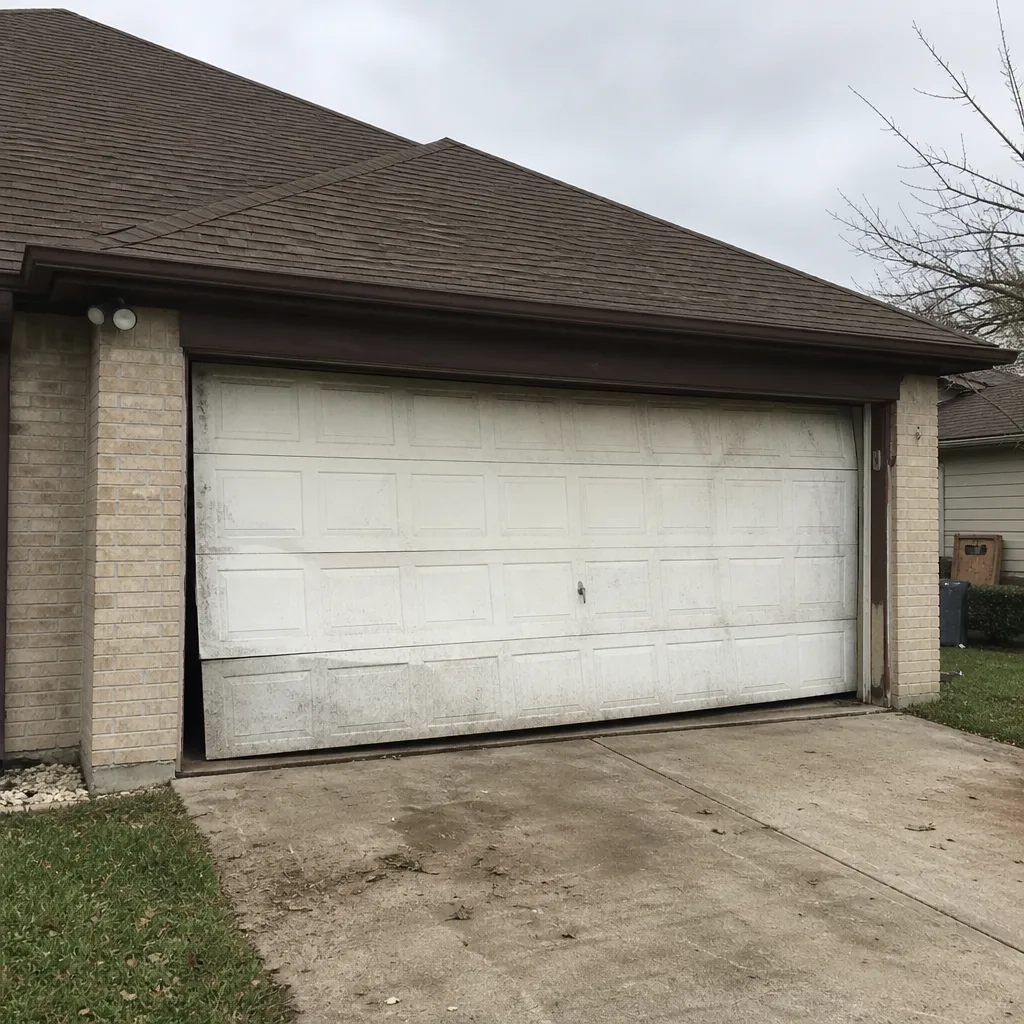 Before
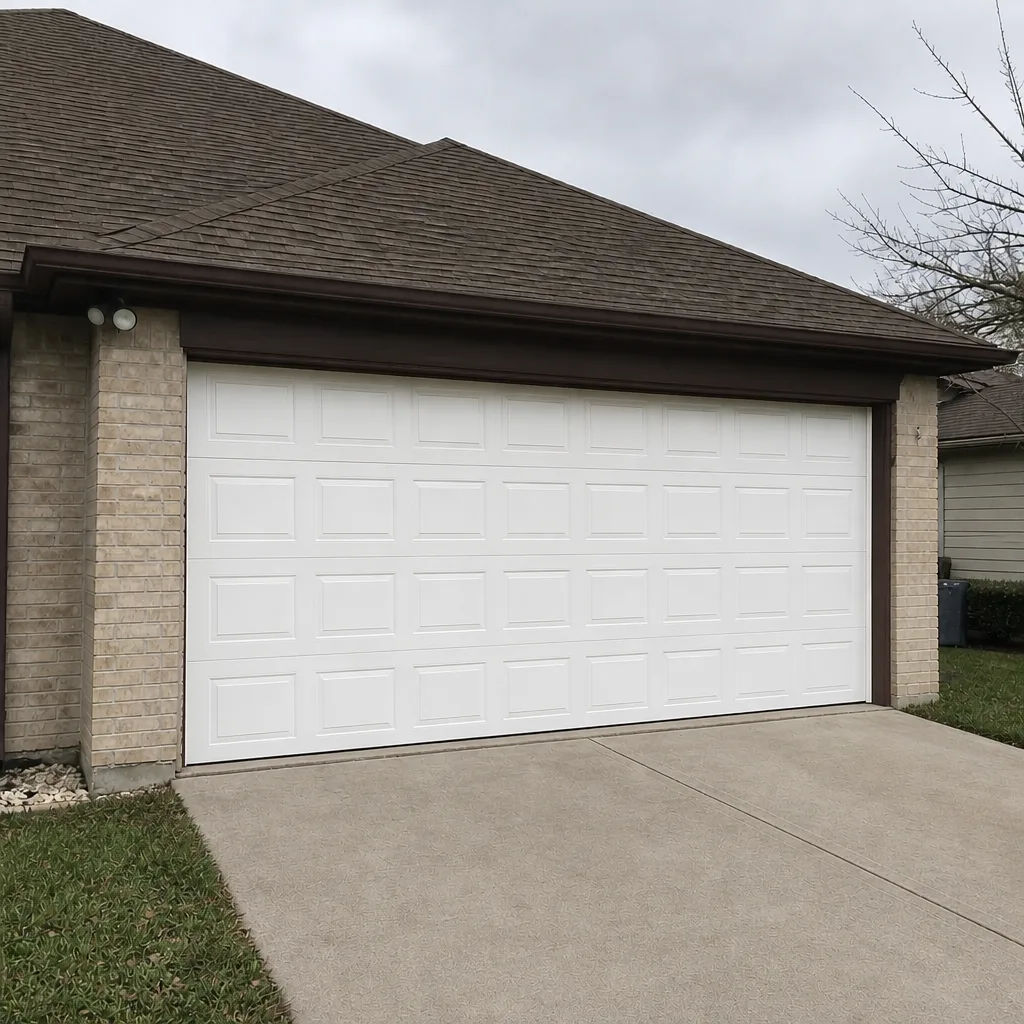 After
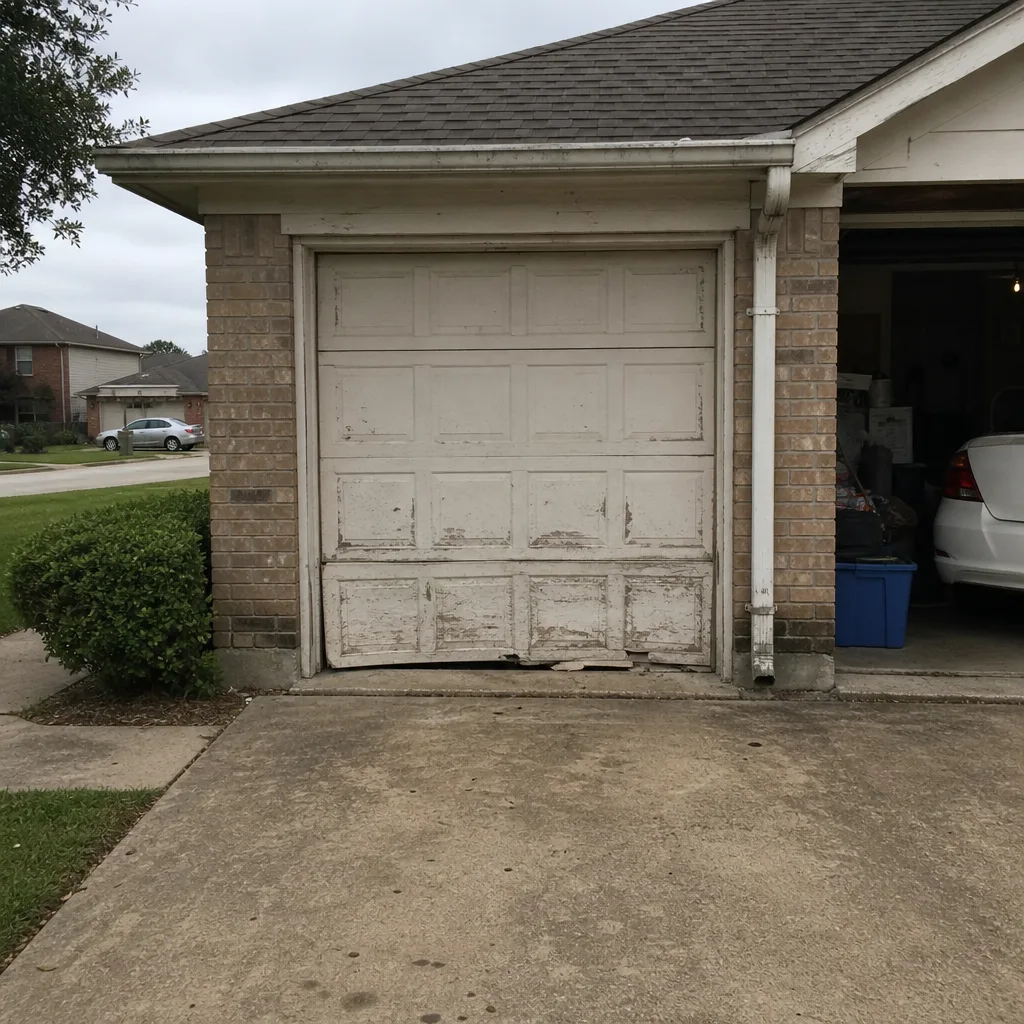 Before
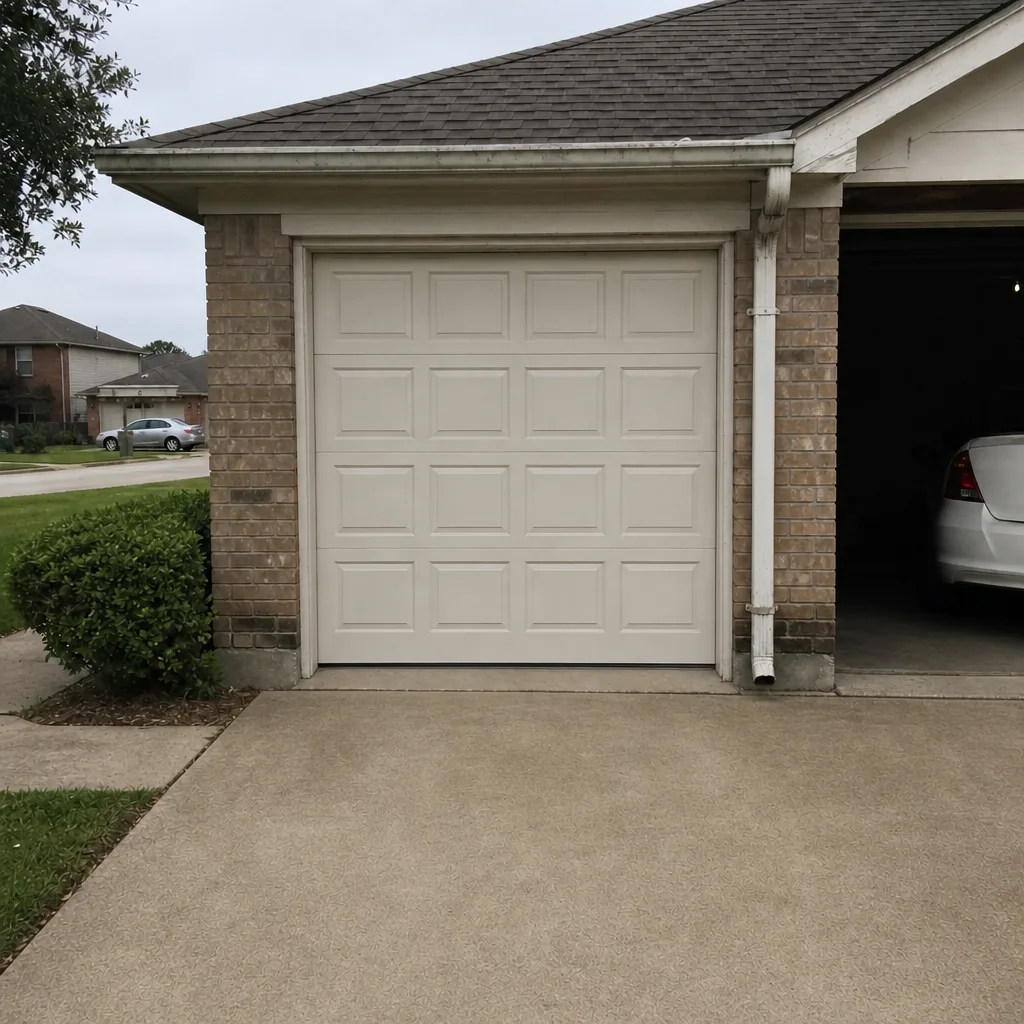 After
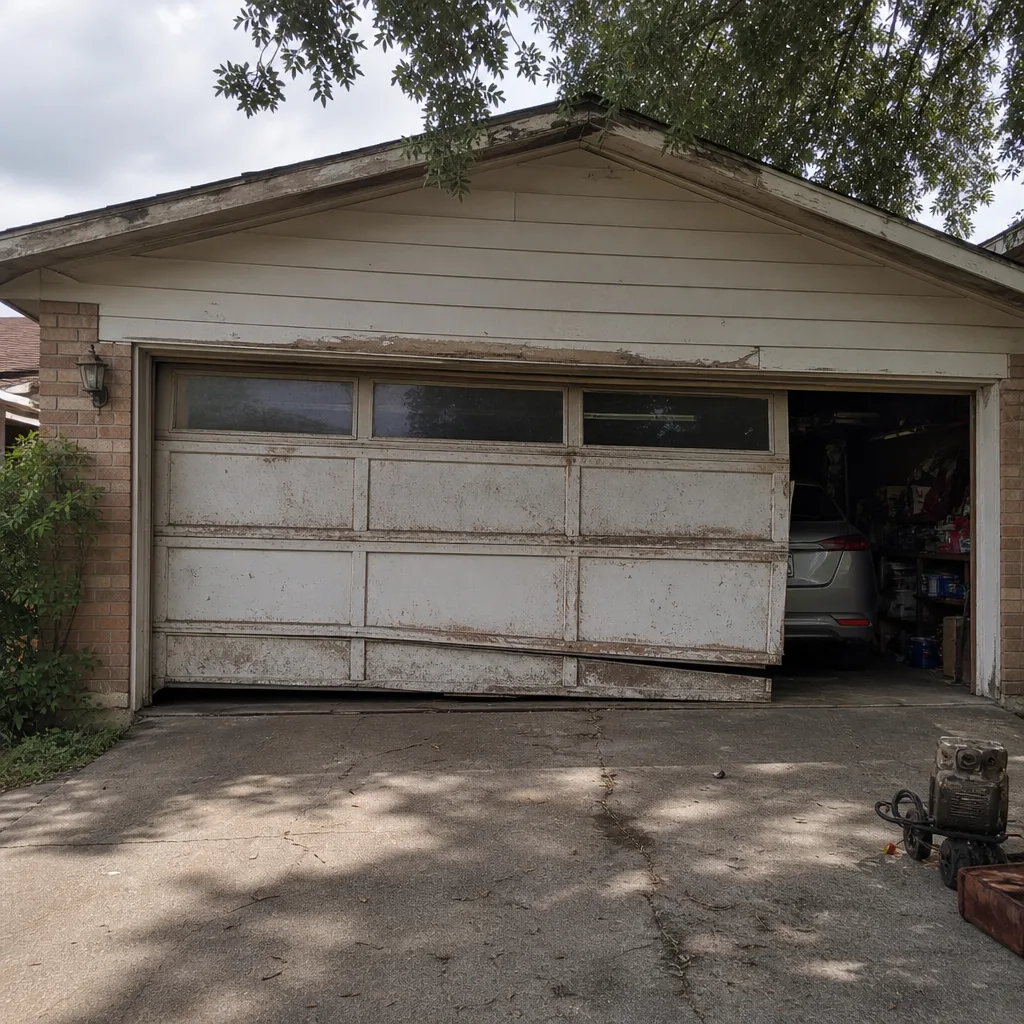 Before
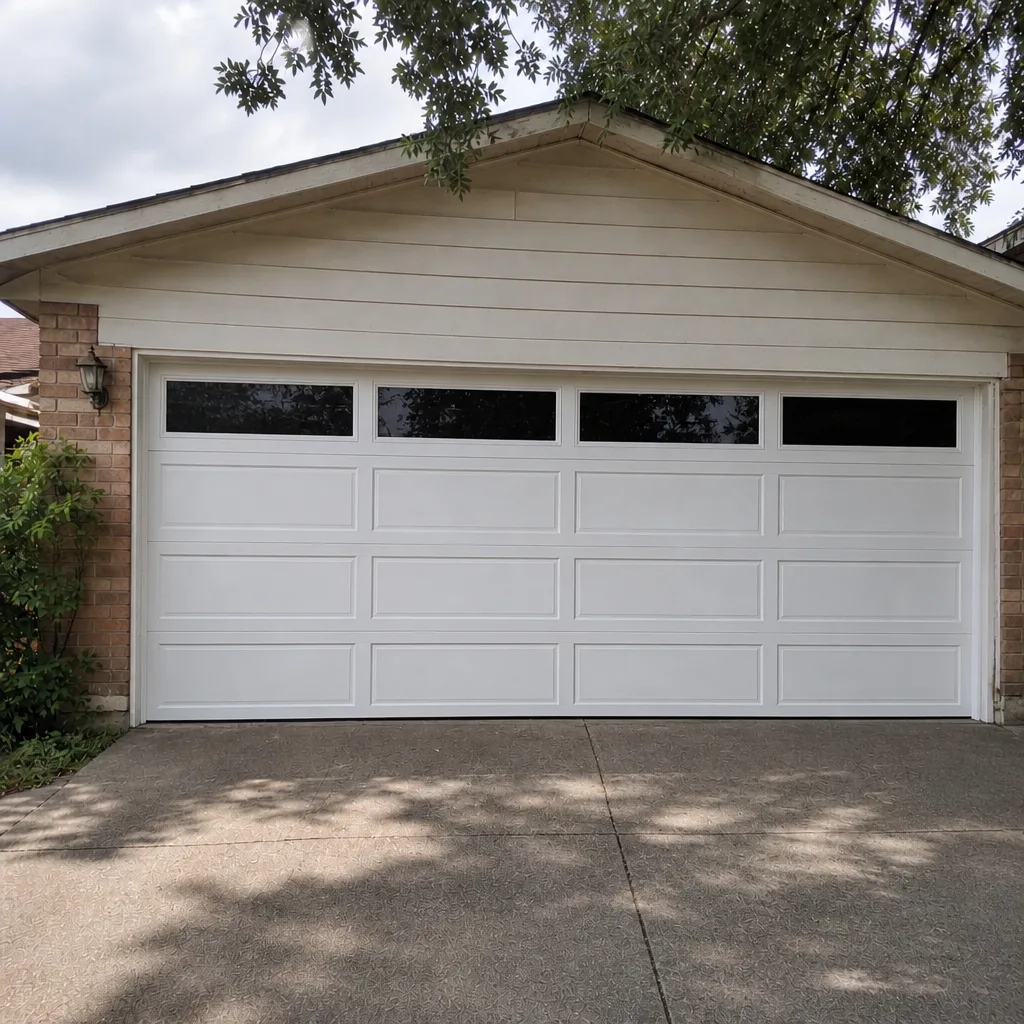 After