Last updated November 21, 2026
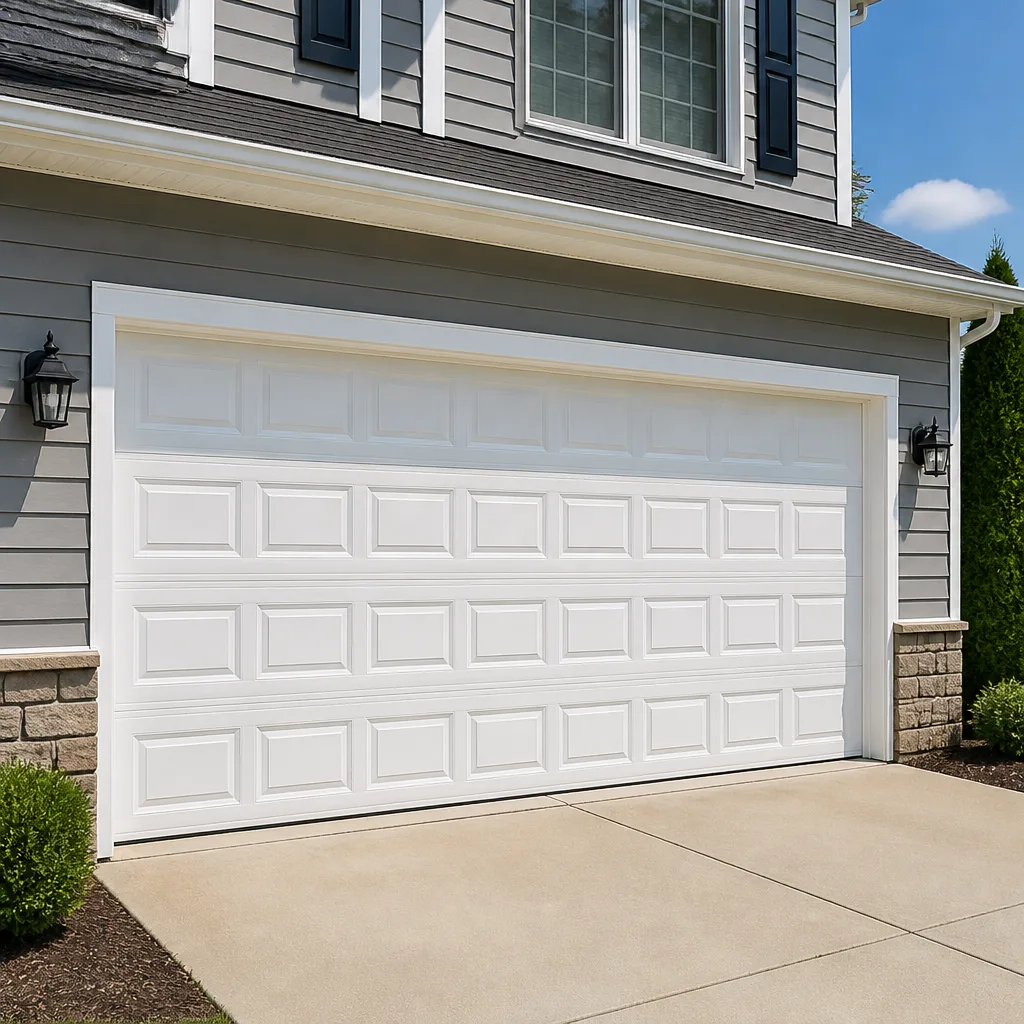 Raised-panel steel
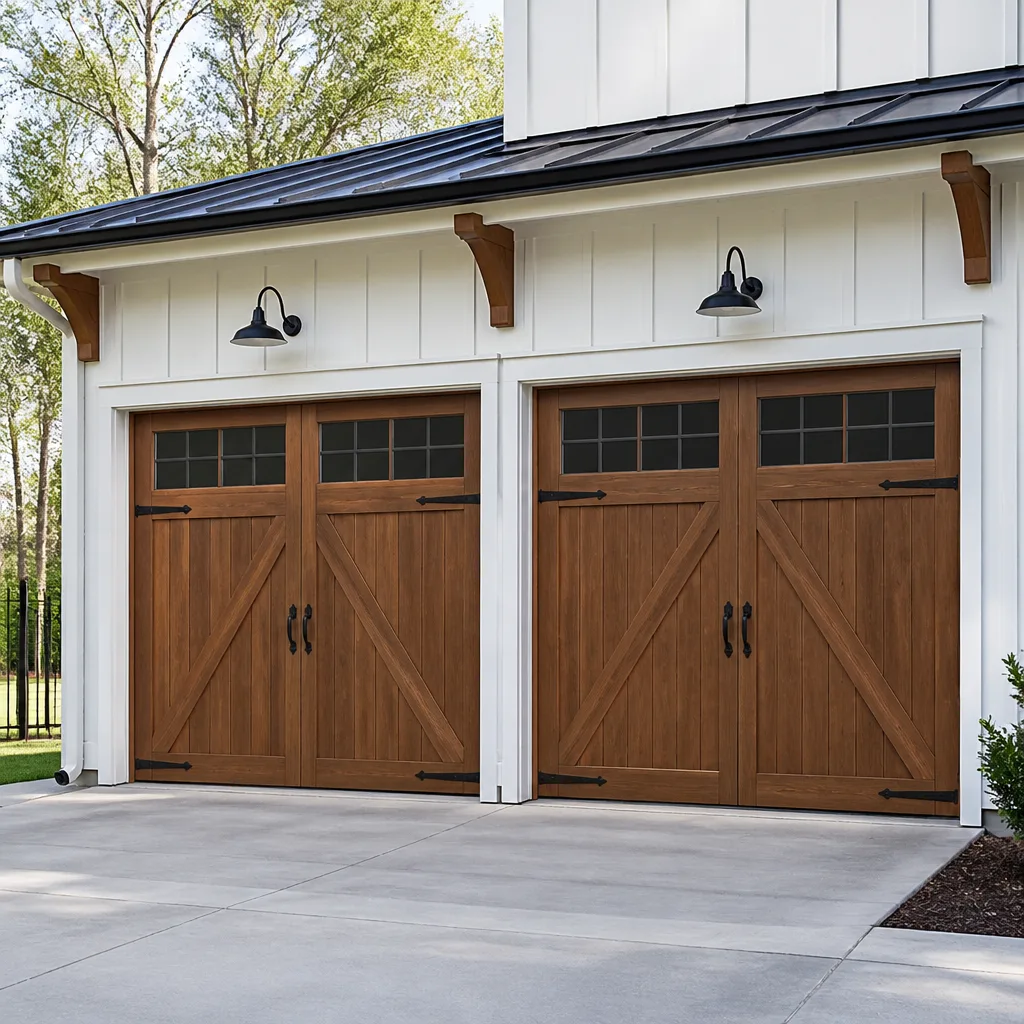 Carriage house
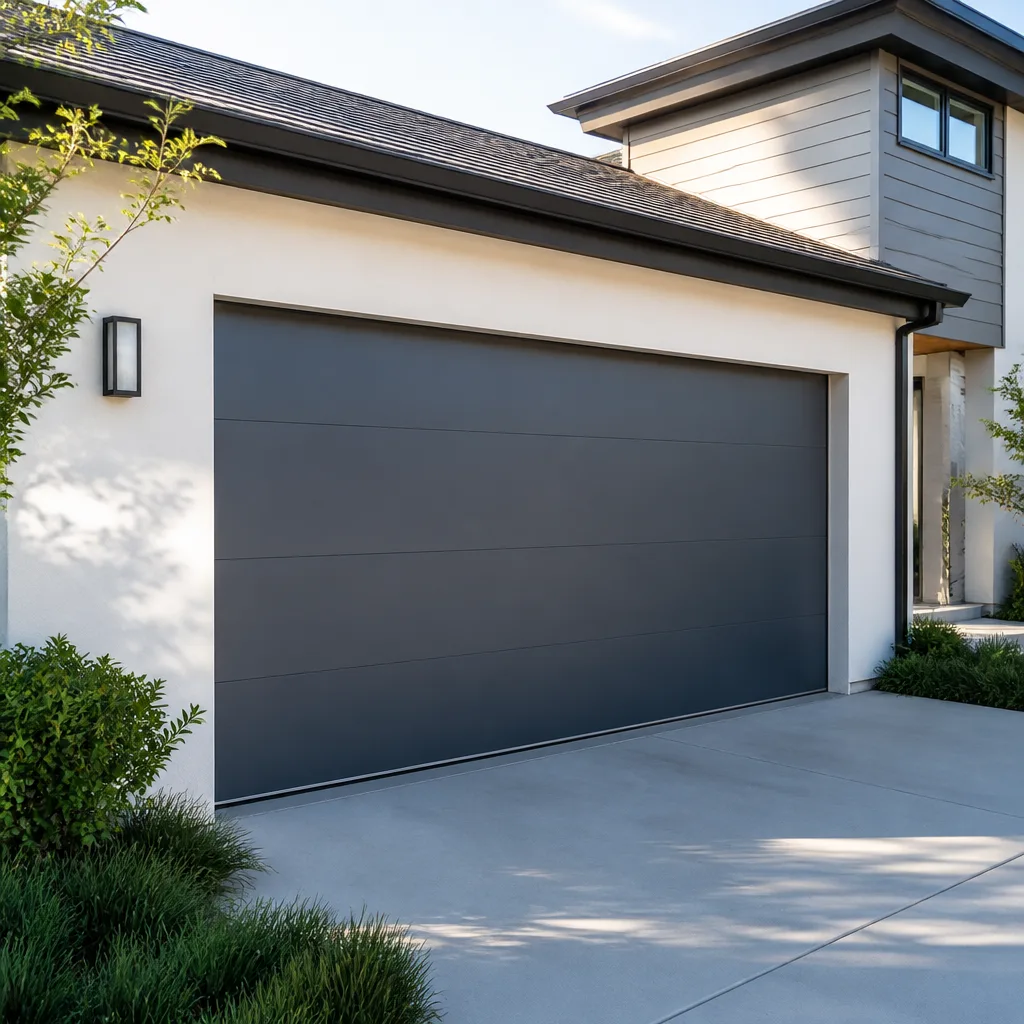 Modern flush
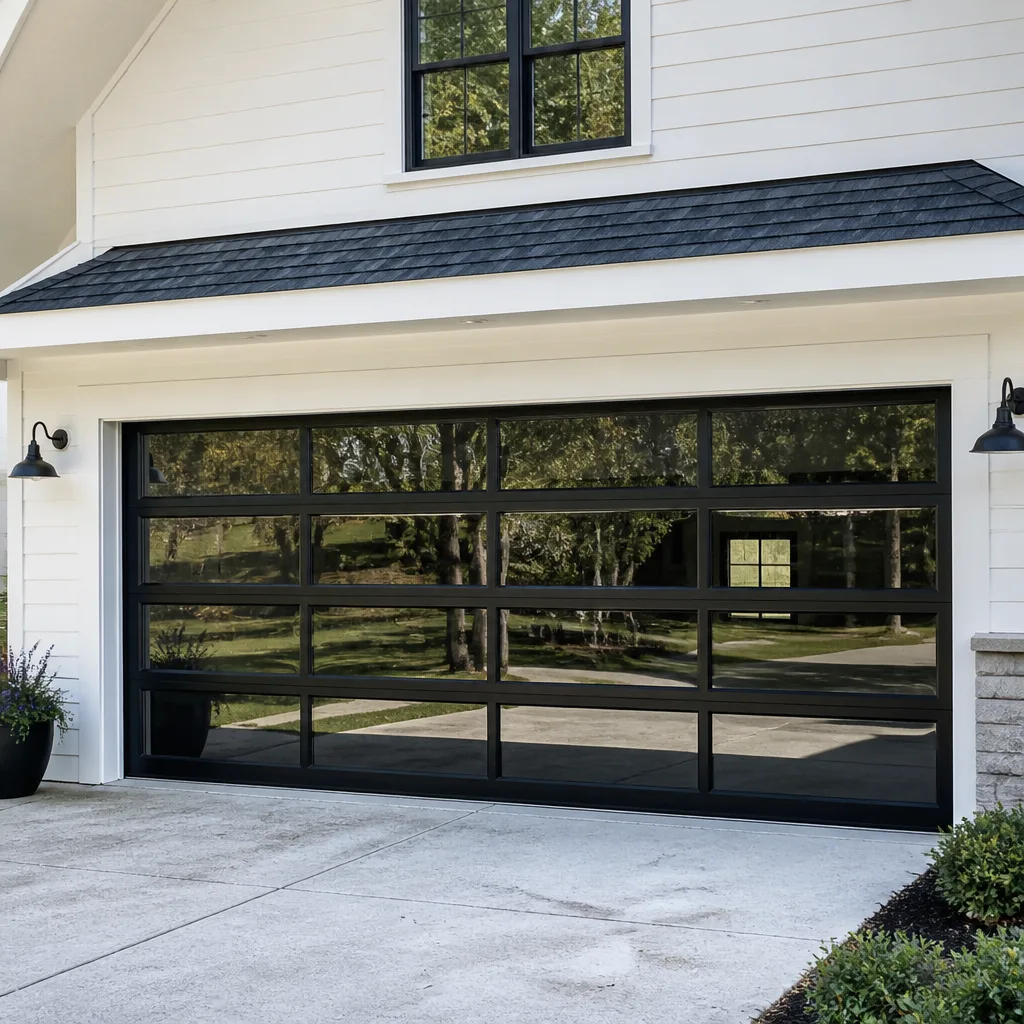 Full-view glass
 LiftMaster openers
 Chamberlain openers
Full 25-point door and opener safety check with every visit - springs, cables, rollers, tracks, and your LiftMaster or Chamberlain opener included
You get a price before we start. It does not change when the pro arrives.
Get your free estimateSeasonal Garage Door Care for Pearland: Year-Round Homeowner’s Guide
Most garage door maintenance calendars are copied from climates with clean seasonal breaks, and they don’t fit Pearland. We don’t get four neat seasons here. We get a humidity season, a heat peak, a storm season, and a short freeze window, and each one wears on a door in a different way. A schedule built around “spring and fall tune-ups” misses the weeks that actually cause failures in Pearland homes. This guide walks through the real annual cycle: what to check before hurricane season, how sustained heat affects openers and seals, why a quick cold snap breaks more springs here than a long northern winter, and the one task Pearland homeowners skip more than any other. Read it once and you’ll have a workable year-round routine.
Quick Answer
Seasonal garage door care in Pearland means working around humidity, extreme summer heat, the Atlantic storm season, and brief winter freezes rather than traditional spring and fall tune-ups. The highest-value tasks are a pre-hurricane inspection in May or June, a heat-season check on opener electronics and weather seals, cold-snap preparation for springs and lubricated hardware, and threshold seal replacement before the rainy months arrive. Most of this is visual inspection and lubrication; anything involving springs, cables, or the door’s balance is a job for a trained technician.
Styles & brands we work with
- Raised-panel steel
- Carriage house
- Modern flush
- Full-view glass
- LiftMaster openers
- Chamberlain openers
Table of Contents
- Why Humidity, Not Cold, Is Pearland’s Hardest Season
- The Pre-Hurricane Season Checklist (May-June)
- The Heat Peak Protocol (July-September)
- Cold Snap Preparation for Pearland’s Freeze Window
- Post-Storm Inspection: The Right Order
- The Seasonal Task Everyone Skips: Threshold Seals
- A 12-Month Garage Door Calendar for Pearland
- Common Mistakes to Avoid
Why Humidity, Not Cold, Is Pearland’s Hardest Season
Humidity is the constant in Pearland. It rarely drops far below 60% for long, and that steady moisture load does quiet, cumulative damage that a homeowner never sees happen. It’s the season that lasts all year, and it drives most of the wear we’re called out to diagnose.
Where humidity hits hardest:
- Steel panels and fasteners. Hinges, rollers, and track bolts are the first parts to show surface rust. Once rust sets into a hinge pin, the door stops articulating smoothly and the opener has to work harder on every cycle.
- Wood and composite doors. Moisture moves into end grain and panel joints. A door that swells slightly in a humid stretch can bind in its tracks, then free up when the air dries.
- Bottom and side seals. Constant humidity softens rubber and vinyl seals and accelerates cracking. A dried, cracked seal stops keeping water and pests out long before it looks obviously damaged.
- Opener housings. Moisture and heat together are tough on circuit boards and on the lubricant inside the gear case.
What actually helps against humidity is simple and cheap: keep metal hardware lubricated with a garage-door-rated lubricant, keep the door painted or sealed if it’s steel or wood, and inspect the bottom seal a few times a year. A door that runs smoothly and dry lasts longer in Pearland than one that’s simply been left alone. When binding or track wear shows up, that’s the point to bring in garage door repair rather than keep forcing a stiff door through its cycle.
The Pre-Hurricane Season Checklist (May-June)
The Atlantic hurricane season starts in June, so the window to get your door ready in Pearland is May into early June. The goal isn’t to storm-proof the door; it’s to make sure nothing is already loose, misaligned, or weakened before wind arrives. A garage door is the largest moving opening on most homes, and a poorly seated door is far more vulnerable to wind pressure than a properly adjusted one.
Work through this in order:
- Look at the panels. Any dent, crease, or separation between sections is a weak point. A dented panel can fail under load that a sound panel handles.
- Check the tracks for alignment. Tracks should be straight, plumb, and firmly bolted to the framing. A track knocked out of alignment is both a jam risk and a structural weak spot.
- Test the balance. Disconnect the opener and lift the door halfway by hand. It should hold roughly where you let go. If it drops or won’t stay up, springs or cables need attention before storm season, not after.
- Inspect the hinges and rollers. Loose hinges and worn rollers let panels shift under wind pressure. Tighten fasteners and replace worn rollers.
- Confirm the door closes fully and evenly. Gaps at the bottom or sides let wind-driven rain in and mean the door isn’t sealing against pressure the way it should.
- Test the opener’s safety reverse. Put a small object in the door’s path and confirm it reverses on contact. This is an everyday safety check, but it matters most when power flickers during a storm.
If the balance test fails, stop there. Springs and cables are under extreme tension, and adjusting or replacing them is not a homeowner job. Our garage door spring repair service exists precisely because this is a high-risk repair that needs dedicated tools and training. Getting springs sorted in May beats discovering a broken spring with a storm already on the forecast.
The Heat Peak Protocol (July-September)
Sustained temperatures above 95°F do things to a garage door system that a mild climate never tests. Attics and garages get hotter than the outdoor air, and the door and opener both live in that heat for weeks at a time. In our experience, the July-to-September stretch produces a specific cluster of failures in Pearland.
Opener circuit boards. Electronics are rated for a temperature range, and a garage that bakes all day pushes the opener housing toward the top of it. Boards, capacitors, and the logic that controls travel limits get stressed. When an opener starts behaving erratically (random reversals, travel limits that drift, a remote that works one day and not the next), heat is often part of the picture. A Craftsman or LiftMaster unit that’s been reliable for years can start glitching only in the hottest weeks. That’s a signal to look at the opener itself, not the whole door. Our garage door opener repair service covers the major smart and traditional brands so you’re not pushed toward a full door replacement when only the opener mechanism is at fault.
Weather seals. Rubber and vinyl seals dry out and crack faster in heat. The bottom seal and the side and top seals all take the hit. A brittle bottom seal lets rain and hot air in and stops cushioning the door on closing.
Spring tension calibration. Heat expands metal. Springs that were perfectly calibrated in spring can feel slightly different once the door and hardware have expanded in July. Combined with humidity-driven friction in the tracks, the opener can start laboring. That’s a calibration and lubrication issue, not necessarily a spring replacement.
- Lubricate hinges, rollers, and springs with a product made for garage doors, not general-purpose oil.
- Check the bottom seal for cracking and replace it before the fall rains.
- Listen to the opener. Grinding, straining, or a door that moves unevenly points to a problem worth diagnosing early.
- Keep the garage ventilated where you can; a cooler garage is easier on the opener electronics.
Cold Snap Preparation for Pearland’s Freeze Window
Pearland’s winters are mild, but they include short, sharp cold snaps where temperatures can plunge fast and then rebound within a couple of days. That rapid swing is harder on a garage door than sustained cold in a northern state. In a long northern winter, the metal cools gradually and stays cold. Here, a door can go from a warm humid afternoon to below freezing overnight and back again within 48 hours. That rapid contraction and expansion works metal and puts stress on parts that were already carrying load.
The result: more spring failures here come from sudden cold snaps than from prolonged freezing, because the springs, cables, and hardware are being asked to contract and release quickly. The same applies to seals, which stiffen in a hurry and can crack when the door operates while cold.
Before a forecast cold snap in Pearland:
- Lubricate the moving parts. A properly lubricated hinge, roller, and spring resists the stiffness cold brings.
- Exercise the door gently. Run it through a full cycle before the coldest night so you notice any new stiffness or noise while it’s still mild.
- Watch the springs and cables. If you hear a sharp bang from the garage, a spring has likely failed. Don’t operate the door. Call a technician. Springs and cables under extreme tension should never be touched by a homeowner.
- Check the seals. A cold-stiffened bottom seal can crack or tear. If it’s already aged, replace it before the snap, not after.
- Test the opener’s safety reverse once more. Cold can affect how a door seats, and you want the safety systems working correctly.
One caution that matters here: never try to “help” a stiff door by forcing it up or down by hand. If the door fights you, something is wrong, and forcing it risks injury and further damage. A trained technician can diagnose the cause safely.
Post-Storm Inspection: The Right Order
After a named storm passes through Pearland, the temptation is to walk out and start yanking on the door. Don’t. Check things in a deliberate order, because the earlier checks tell you whether it’s safe to go further. Working out of sequence can put you under a door that isn’t secure.
Follow this sequence:
- Structural integrity first. Look at the framing around the door and the tracks. Are the tracks still plumb and bolted tight? Has any part of the opening shifted? If the structure around the door looks compromised, stop and have a professional assess it before operating anything.
- Panel alignment. Look down the door from the side. Panels should line up evenly. A panel that’s shifted, dented, or separated is a sign the door took wind load and needs professional attention.
- Hardware and fasteners. Check hinges, rollers, and track bolts for anything loose, bent, or missing. Storm vibration and wind pressure loosen fasteners.
- Cables and springs. Look, don’t touch. A cable off its drum or a spring that’s visibly broken means the door is not safe to operate. Call a technician.
- Weatherproofing. Inspect the bottom, side, and top seals for tears or gaps. Storm-driven rain and debris damage seals, and a compromised seal lets water in all season.
- Opener function. Only once the door itself is sound should you test the opener and its safety reverse.
If a storm leaves your door stuck open or your car trapped, that’s what emergency service is for. At Pearland Garage Door Repair Co we offer emergency garage door service as a named service, not an upsell. Availability depends on the situation, so call and we’ll tell you plainly what we can do.
The Seasonal Task Everyone Skips: Threshold Seals
The threshold seal (the bottom seal that runs the width of the door) is the single seasonal task Pearland homeowners skip most often, and it matters more here than in drier Texas cities. It’s out of sight, it’s under the door, and until it fails nobody thinks about it. But in a humid, rainy climate, that seal is doing more work than any other part of the weatherproofing.
Why it matters more in Pearland:
- Rain volume. A cracked or flattened bottom seal lets water in along the full width of the door whenever rain drives against it. In a wetter climate, that’s often.
- Humidity and pests. A compromised seal is an open invitation for moisture and for insects and small pests to get into the garage.
- Heat and cold. A seal that’s already aging through a hot summer is more likely to crack when a cold snap hits. Replacing it in the cooler months, before the heat returns, is easier on the door.
- Energy and comfort. A tight bottom seal keeps the conditioned space from leaking into the garage and keeps hot, humid air out.
Check the bottom seal every few months by running a hand along it (with the door closed) and looking for cracks, flat spots, or gaps when the door is closed. Replacement is a straightforward job, but it needs the right seal profile for your door. A door that seals properly all year is easier on its hardware and its opener. If you’re not sure the seal is right, that’s a quick thing to have checked during any Pearland Garage Door Repair Co visit.
A 12-Month Garage Door Calendar for Pearland
Here’s a practical annual schedule built around Pearland’s actual cycle. It replaces the generic spring-and-fall tune-up, which misses the local damage windows. Treat it as a routine, not a rigid timetable; the point is to check the right things at the right time of year.
- January-February (freeze window). Cold-snap preparation. Lubricate hardware, exercise the door before cold nights, check seals, and watch for spring and cable issues.
- March-April (warm-up and humidity returns). Inspect for rust on hinges and fasteners, check the bottom and side seals, and test the opener’s safety reverse.
- May-June (pre-storm). Full pre-hurricane checklist: panels, tracks, balance, hinges, rollers, and a full close-and-seal check.
- July-September (heat peak). Watch opener electronics and seals, lubricate moving parts, and listen for strain or grinding.
- October-November (post-storm and pre-wet season). Post-storm inspection sequence if a storm has passed; otherwise check alignment, hardware, and weatherproofing before the rainier stretch.
- December (cooler, calmer window). Replace the threshold seal if it’s aged, and take care of any hardware that’s been wearing all year.
Most of this is visual inspection and lubrication, and it’s genuinely useful when done on time. What’s not a homeowner job is anything involving springs, cables, or the door’s balance. Those are high-tension, high-risk components, and that’s where a specialist earns their keep.
Common Mistakes to Avoid
- Following a northern maintenance calendar. A spring-and-fall tune-up was written for climates with clean seasonal breaks. In Pearland, the pre-storm weeks and the heat peak are where the real risk sits.
- Ignoring the threshold seal. It’s out of sight, but in a humid, rainy climate a failing bottom seal lets water and pests in year-round. Check it before the wet months, not after.
- Never lubricating the hardware. Humidity-driven friction wears hinges, rollers, and tracks faster here. A garage-door-rated lubricant on the moving parts is one of the cheapest things you can do.
- Storing the door and forgetting it all summer. Sustained heat stresses opener electronics and seals. A quick mid-summer check catches problems before they become failures.
- Forcing a stiff or cold door. When a door fights you in a cold snap, forcing it risks injury and damage. Stop and call a technician.
- DIY spring or cable work. Springs and cables are under extreme tension, and this is the most dangerous repair on a garage door. It needs dedicated tools and training, not a homeowner’s guesswork.
- Cancelling the pre-storm inspection because “it’s been fine.” A door that’s never been checked before storm season has an unknown weak point. A May check is cheaper than a post-storm emergency.
See the difference
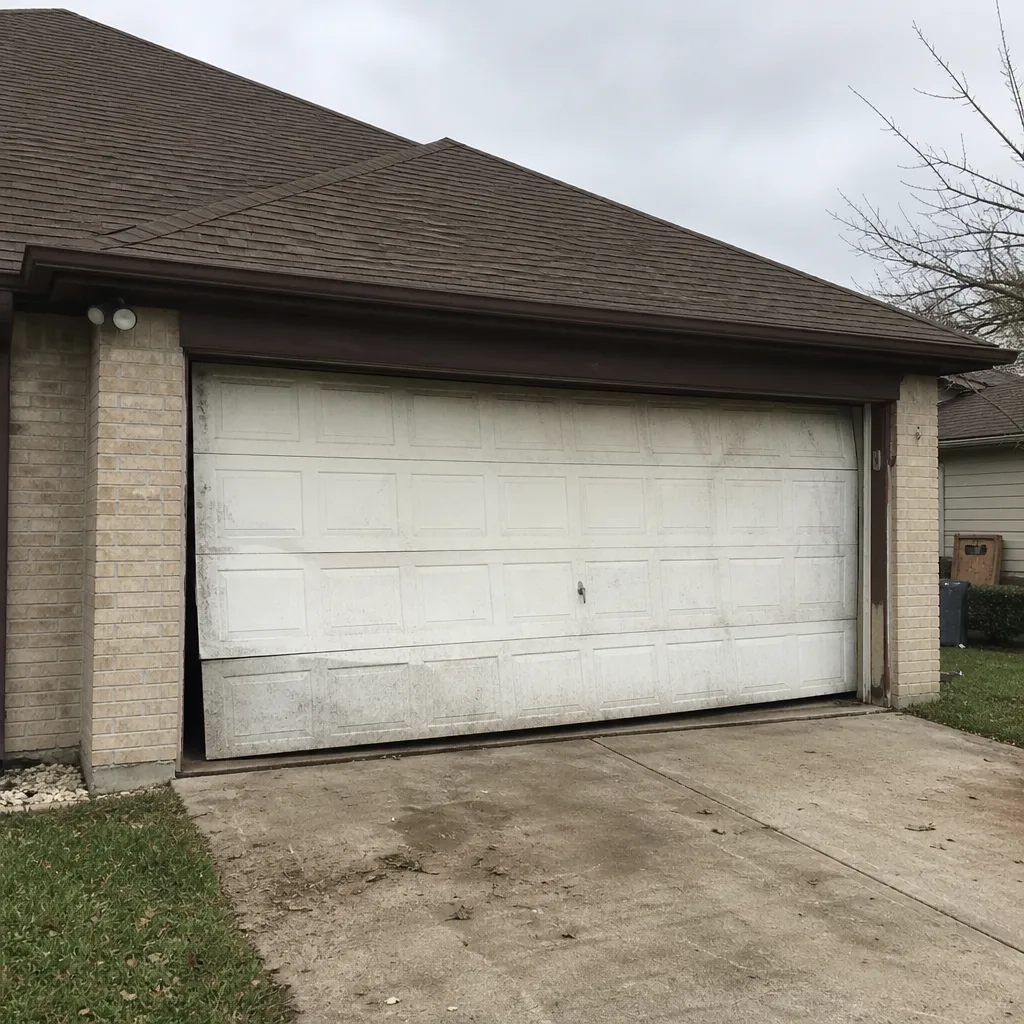 Before
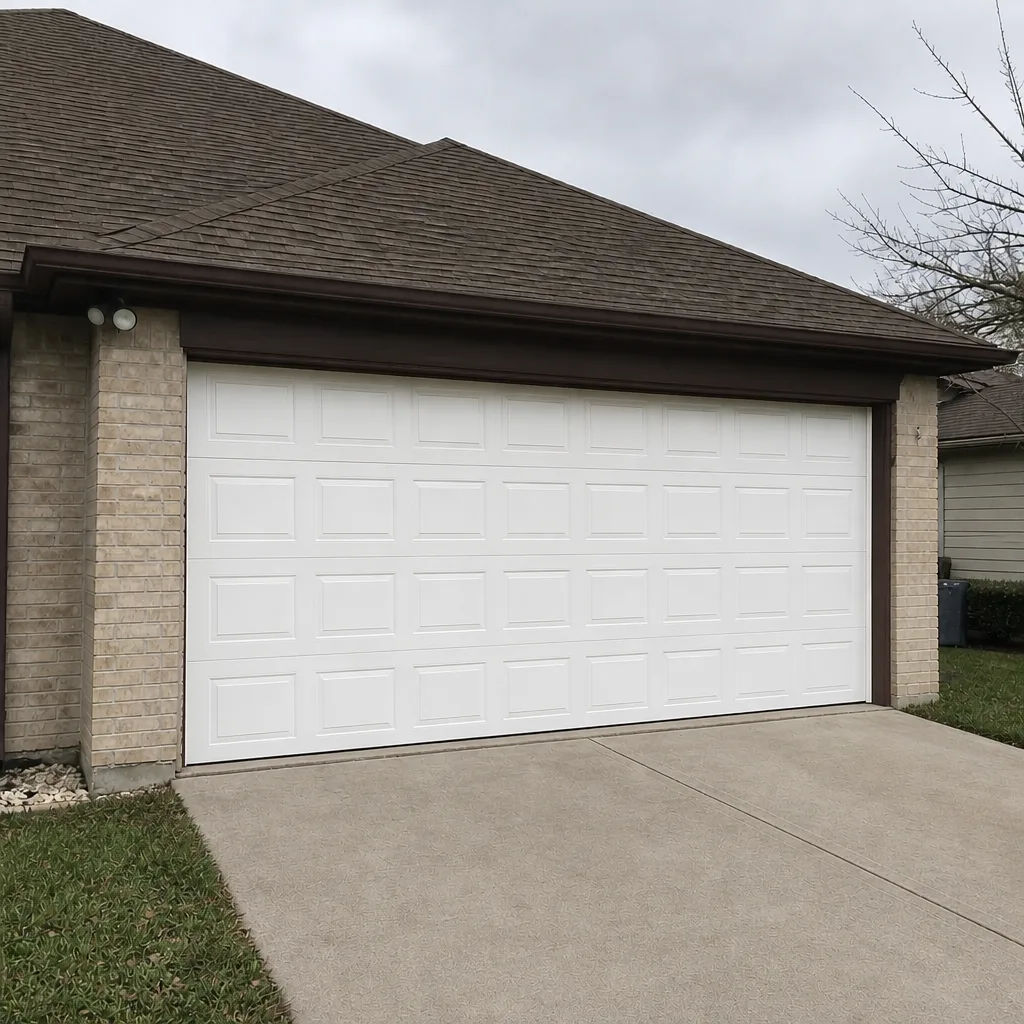 After
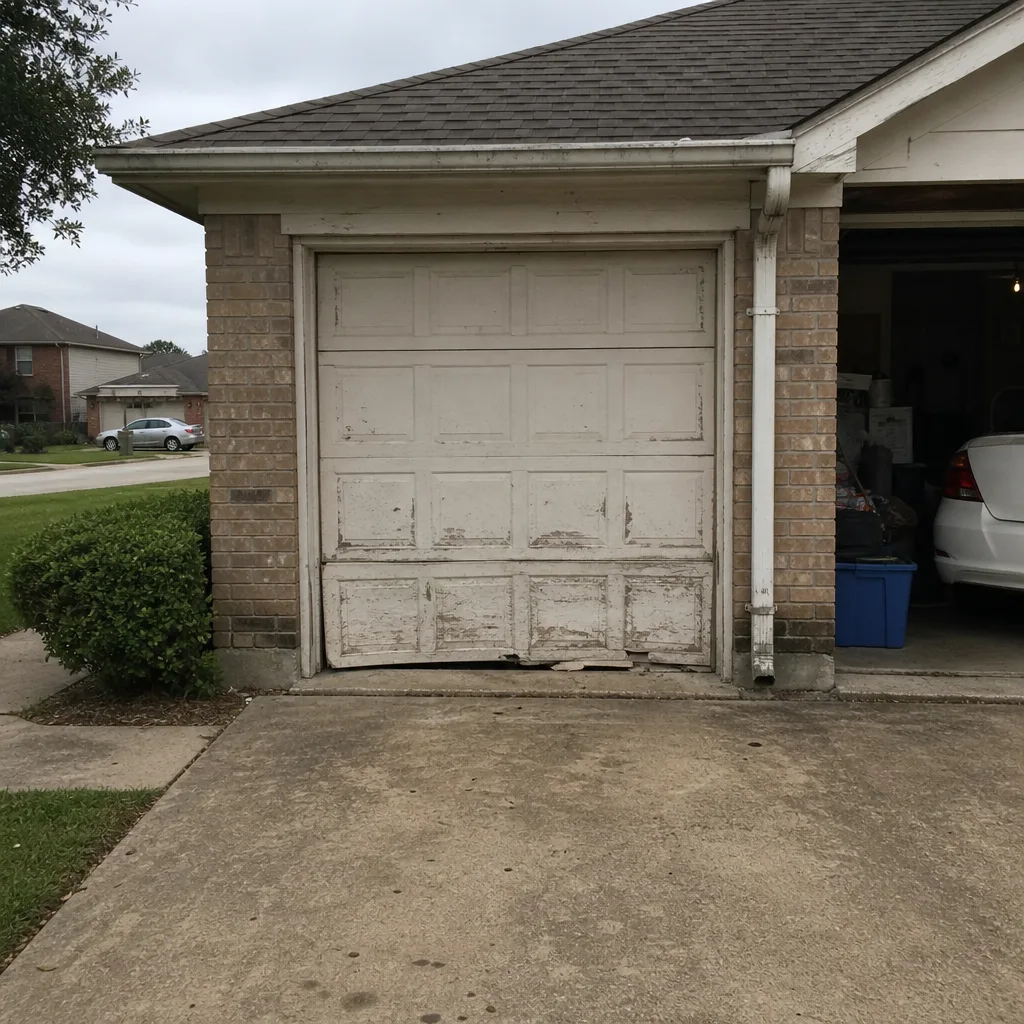 Before
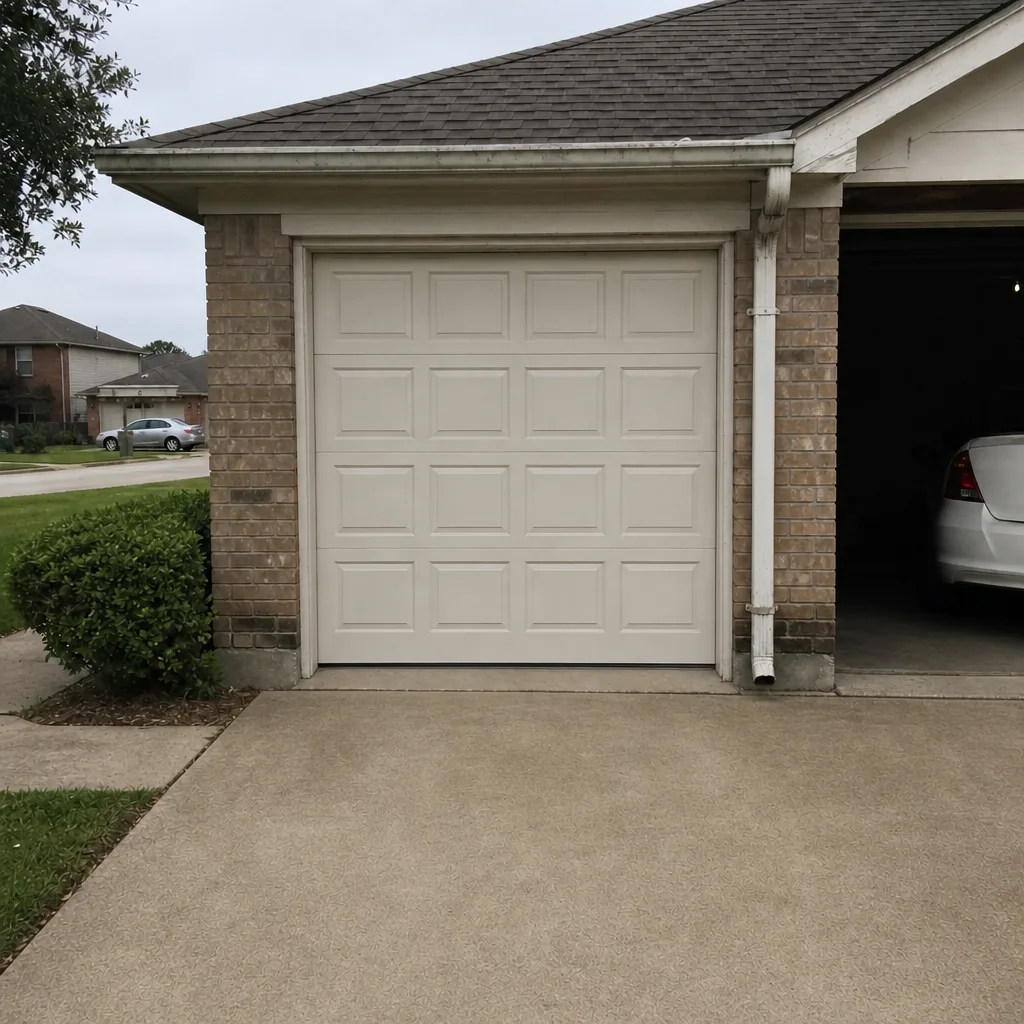 After
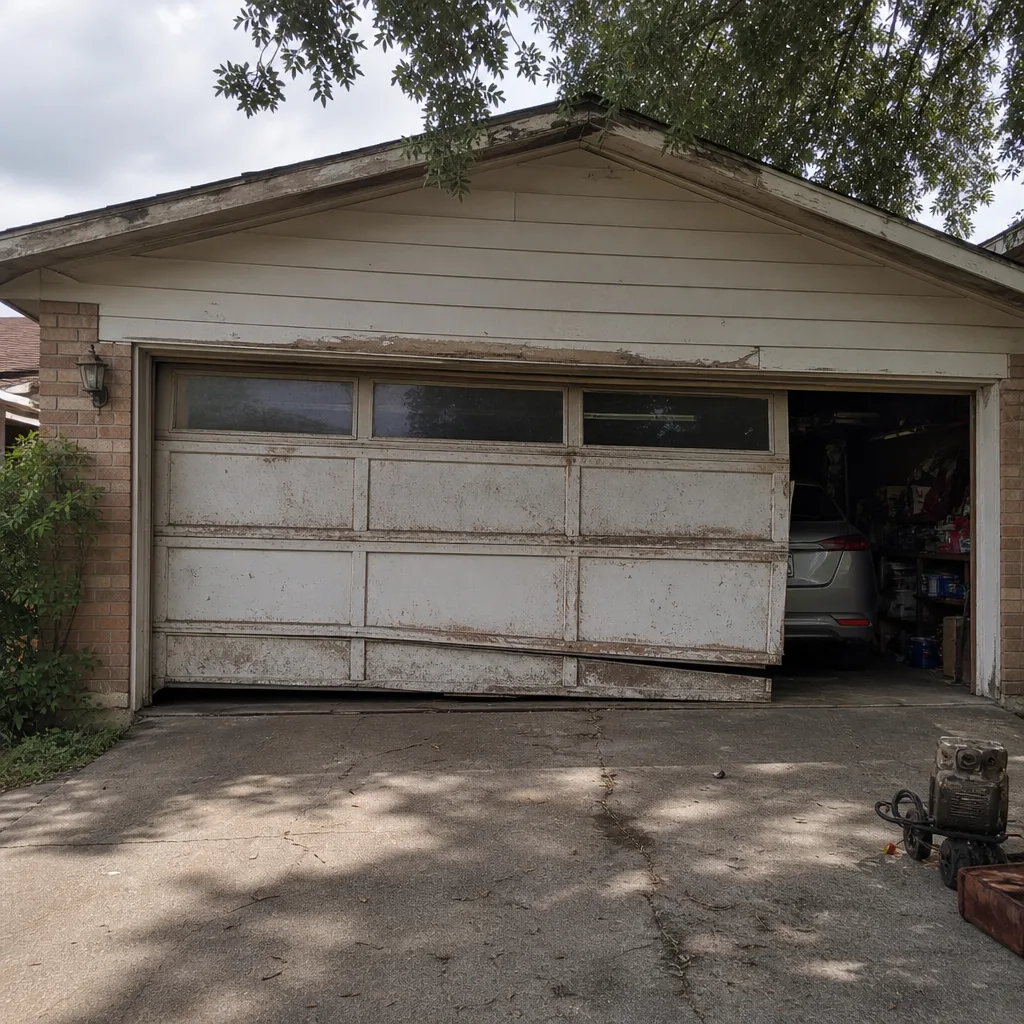 Before
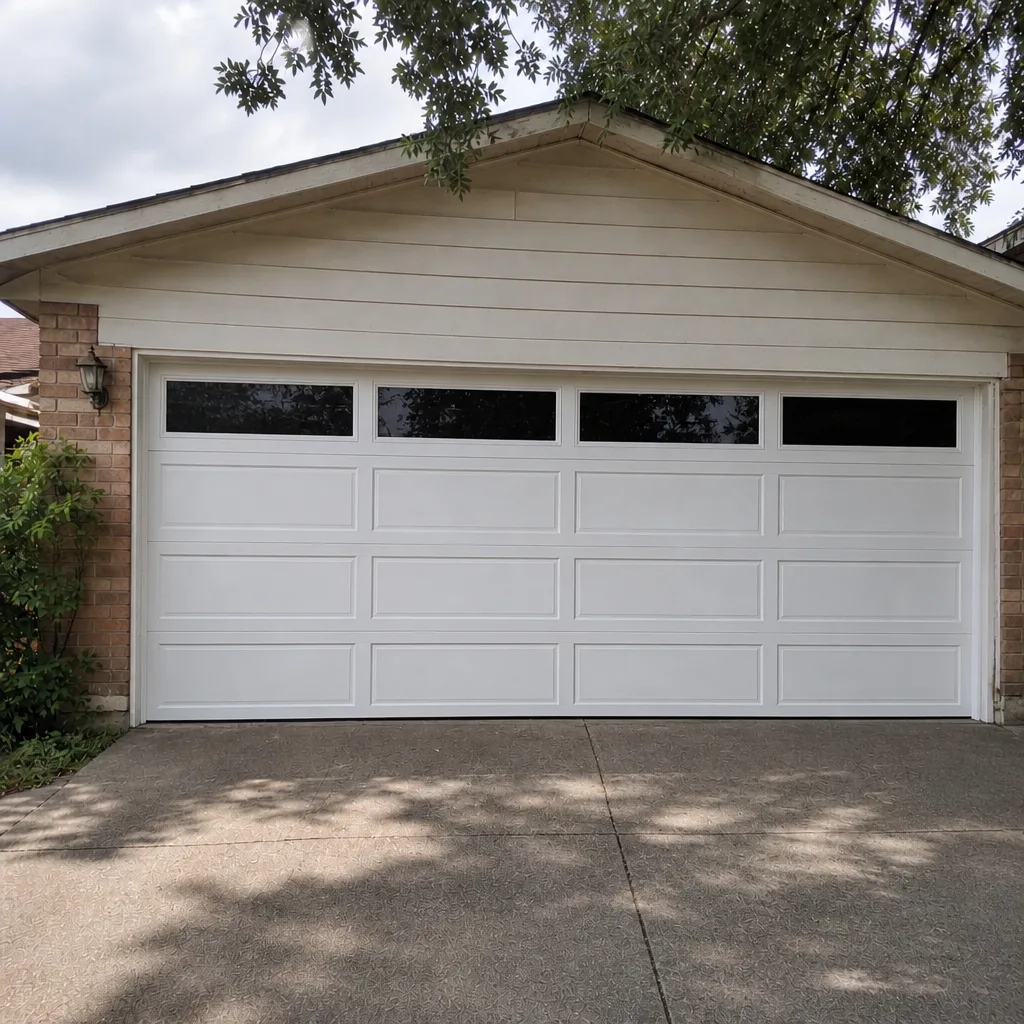 After
When to Call a Professional
Most seasonal care is inspection and lubrication, but some signs mean stop and call. Bring in a technician if you hear a sharp bang from the garage, if the door won’t hold halfway when you disconnect the opener, if a cable has come off its drum, if the door is off its tracks or a panel has shifted, or if the opener behaves erratically or struggles to lift the door. Any of these points to a component under load, and those are the parts no homeowner should touch. Pearland Garage Door Repair Co offers free estimates in Pearland – call (855) 337-1579. Our technicians have up to 11 years of experience and we service the major brands you already own.
Frequently Asked Questions
A garage door should be inspected and lubricated at least once a year, with a pre-hurricane check in May or June and a quick heat-season check in mid-summer. Because Pearland’s humidity, heat, and storm season each stress the door differently, a single annual tune-up leaves gaps. Check the bottom seal and hardware a few times a year, and have a technician look at anything that feels stiff, noisy, or out of balance. Call (855) 337-1579 for a free estimate if you’re not sure where to start.
Pearland’s winter failures are mostly driven by rapid temperature swings, not sustained cold. A sudden drop forces springs and metal parts to contract quickly, and that rapid stress is harder on them than a long, gradual cold season. When the temperature plunges overnight and rebounds within a couple of days, springs that were already carrying load are asked to do more. If you hear a bang after a cold night, stop operating the door and call a technician.
Bottom seal replacement is a reachable job for many homeowners, but it’s easy to buy the wrong seal profile for your door. If the old seal won’t come out cleanly, or if the door won’t seal evenly after replacement, that’s when a technician is worth it. In Pearland, the seal works harder than in drier cities because of rain and humidity, so getting it right matters. Call us if you’d rather have it checked.
Prepare by May or early June. Inspect panels for dents or separation, check tracks for alignment and tight bolts, test the door’s balance with the opener disconnected, tighten loose hinges, and confirm the door closes fully and evenly. Anything involving springs, cables, or adjustment needs a trained technician. If a check turns up a balance problem, get it fixed before the season peaks rather than after.
Yes. Sustained temperatures above 95°F push an opener’s circuit board and electronics toward the top of their operating range, and erratic behavior in the hottest weeks is often a heat-related electronics issue. If your opener only acts up in summer, that’s a signal to have it diagnosed rather than assume the whole door needs replacing. We service the major smart and traditional opener brands, including LiftMaster, Chamberlain, and Craftsman.
Threshold seal replacement. It’s the task Pearland homeowners skip most, and in this climate a failing bottom seal lets rain, moisture, and pests in along the full width of the door. Check it before the wet months and replace it when it’s cracked or flattened. It’s a low-cost job that protects the door and the garage all year.
The Bottom Line
Pearland’s garage doors don’t fail on a neat spring-and-fall schedule. They’re stressed by a humidity season that lasts all year, a July-to-September heat peak, an Atlantic storm season, and short, sharp winter cold snaps. Work the calendar that fits those windows: a pre-hurricane inspection in May or June, a heat-season check on opener electronics and seals, cold-snap preparation for springs and hardware, a post-storm inspection in the right order, and threshold seal replacement before the rains. Handle the lubrication and visual checks yourself, and bring in a specialist for anything involving springs, cables, or balance. If you’re not sure, call and we’ll take a look. If your door needs attention, call Pearland Garage Door Repair Co at (855) 337-1579 for a free estimate.
Written by the team at Pearland Garage Door Repair Co.